Introduction
How to find a partner in Islam follows a clear, Shariah-compliant path that prioritizes deen (religion), family involvement, and sincere intention—not casual dating culture. This guide covers every aspect of halal partner-seeking methods, from understanding Islamic marriage foundations to practical steps for connecting with the right person through community networks, family members, and verified matrimonial platforms.
Seeking a spouse in Islam is a path filled with blessings, both spiritual and practical, when approached with sincerity and patience.
This comprehensive resource is designed for practicing Muslims aged 25–40, including healthcare professionals and career-focused individuals who want to get married through a process that honors Islamic principles. This guide also serves as a practical course for those who have decided to pursue marriage in accordance with Islamic principles. Whether you’re a young doctor navigating demanding schedules or a Muslim professional seeking a god-fearing spouse, having decided to seek marriage with clear intention is essential—this guide addresses your specific challenges while staying true to authentic Islamic teachings.
The guide also addresses the challenges posed by modern society and cultural expectations.
The short answer: Islamic partner-finding combines sincere dua to Allah SWT, active involvement of your wali (guardian) and extended family, participation in Islamic events and community gatherings, and using Shariah-compliant matrimonial platforms that prioritize verification and modesty.
By the end of this guide, you will:
- Understand the foundational Islamic principles governing halal spouse-seeking
- Learn practical methods for finding a good spouse through community and online channels
- Master the complete halal courtship process from first interest to nikah
- Recognize and avoid common pitfalls that waste time and compromise your values
- Take immediate, actionable steps toward finding your life partner, in sha Allah
Quick answer
How to find a spouse in Islam: make sincere dua, involve your wali or family early, use trusted community networks, and only use halal matrimonial platforms that preserve modesty and serious marriage intention.
Table of Contents
Understanding Islamic Marriage Foundations

Nikah in Islam represents far more than a legal marriage contract—it is an act of worship, a means of completing half your deen — as the well-known narration encourages — and a source of mercy and tranquility between two souls. The Quran describes this sacred bond beautifully in Surah Al-Baqarah (2:187): spouses are created as garments for one another, providing protection, comfort, and closeness —
“Hunna libaasun lakum wa antum libaasun lahunna”
(They are clothing for you and you are clothing for them).
Marriage in Islam is also a means to build a family and have children, which is highly valued as a way to continue the faith and fulfill religious obligations.
The Prophet Muhammad ﷺ emphasized that marriage is from his Sunnah, encouraging Muslims who have the means to marry rather than delay —
“O young men, whoever among you is able to marry, let him get married…” (Ibn Majah 1846).
This spiritual significance elevates the search for a spouse from a mundane life decision to a sacred pursuit requiring patience, faith, and reliance on Allah. By following Islamic principles in seeking a spouse and building a family, one invites blessings (barakah) and divine grace into their life.
The Role of Wali in Islamic Marriage
The wali (Islamic guardian, typically the father or another male relative) plays a crucial protective role in the marriage process. Far from being an outdated tradition, wali involvement ensures both parties have family blessing and protection throughout the search and courtship phases.
The Prophet ﷺ said: “There is no marriage except with a wali” (Abu Dawood 2085) — highlighting how central this role is to a Shariah-compliant union. The wali provides wisdom, conducts appropriate inquiries about potential matches, and helps verify the character and intentions of prospective spouses.
Modern platforms like Healthy Nikah have automated this Islamic requirement through their wali auto-sharing feature. After matching, wali contact details are shared automatically—ensuring family members are involved from day one without awkward conversations. This protects users, especially busy professionals, while maintaining the Islamic framework that has preserved marriages for centuries.
Halal vs Haram Interactions
Clear boundaries exist in Islam for pre-marital communication. The Prophet ﷺ warned:
“No man should be in seclusion with a woman” (Bukhari 5233)
and in a related narration:
“No man is alone with a woman but the Shaytaan is the third one present” (referenced in Tirmidhi 1171, Ahmad).
This establishes the principle that all interactions before nikah must maintain hayaa (modesty) and include appropriate supervision. It is also important that intentions for marriage are mentioned clearly and appropriately, often through trusted community leaders or family members, to ensure transparency and maintain halal conduct.
Islamic courtship differs fundamentally from Western dating culture. While dating apps promote casual connections, superficial swiping based on physical appearance, and private conversations without purpose, Islamic matrimony focuses on sincere intention toward marriage, family involvement from the start, and chaperoned interactions. Muslim women and young men alike are protected by these boundaries, which prevent hearts from being broken and reputations from being harmed. When navigating family and cultural expectations, it is essential to find a middle ground between cultural practices and Islamic principles, ensuring that both are respected without going to extremes.
The difference is stark: dating asks “do I enjoy spending time with this person?” while Islamic spouse-seeking asks “can I build a life of worship and family with this person?” One focuses on entertainment; the other focuses on eternity.
Marriage Readiness in Islamic Context
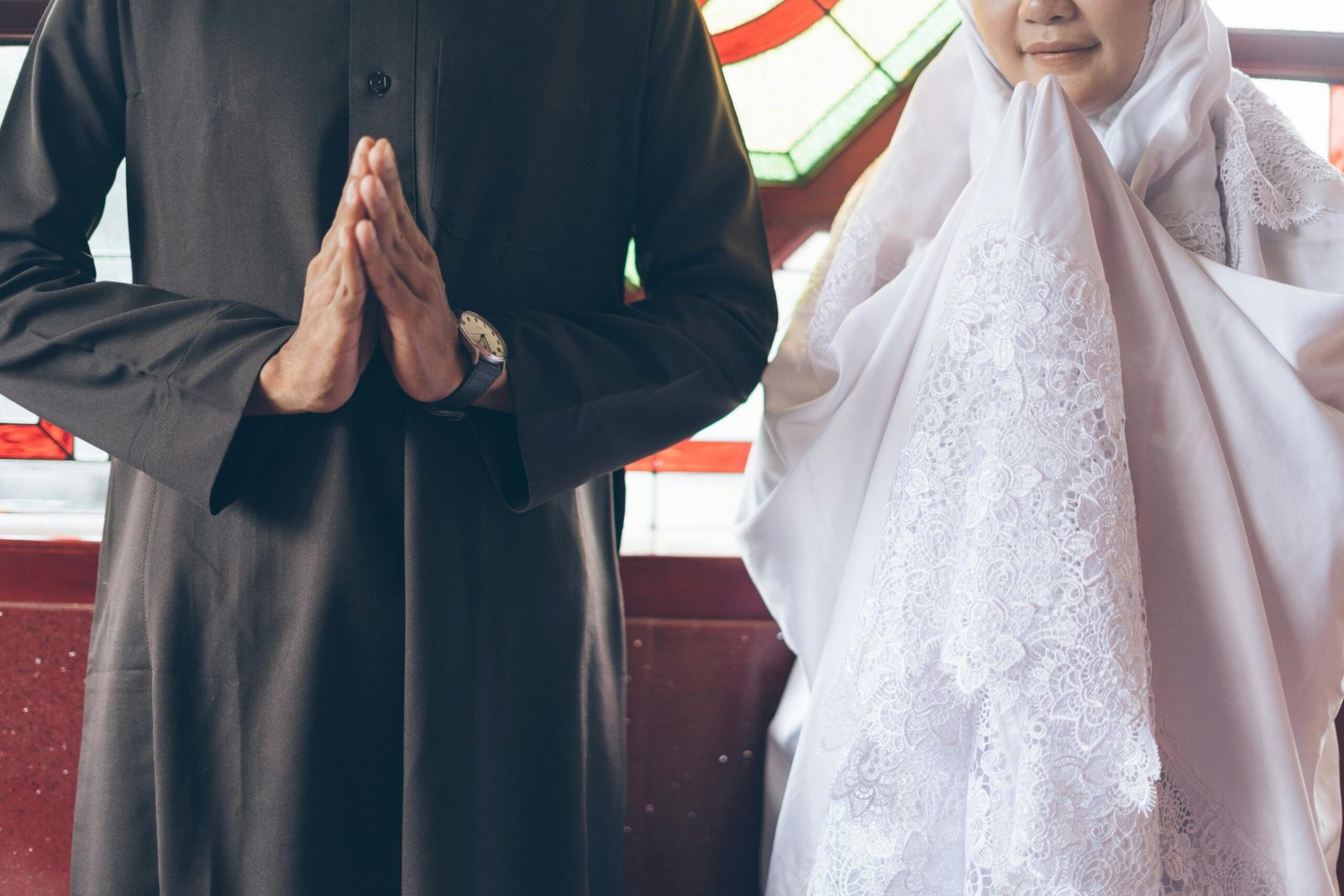
Before actively seeking a spouse, Islamic teachings encourage self-assessment across three dimensions: spiritual readiness, emotional maturity, and financial capacity. It is important that you have decided, with clear intention and commitment, to pursue marriage before beginning your search.
- Spiritual readiness means having established your own relationship with Allah through prayer, understanding your deen, and possessing the god consciousness (taqwa) that will guide your marriage.
- Emotional maturity involves knowing yourself, having realistic expectations, and being prepared to compromise and grow with another person.
- Financial capacity, while not requiring wealth or a large amount of money, means having sufficient financial stability to fulfill your responsibilities as a husband or wife.
The Prophet ﷺ advised young men who cannot afford marriage to fast as protection — "O young people! Whoever among you can marry, should marry...and whoever is not able to marry, should fast, as fasting diminishes his sexual power" (Bukhari 5066) — implying that marriage preparation involves practical readiness alongside spiritual desire.
Serious Muslims approach marriage differently than those casually exploring options. When you’re genuinely ready to get married, you approach each potential match with purpose rather than curiosity, evaluate character over charm, and involve your family rather than hiding your search.
This foundation of understanding leads naturally to the practical question: once you’re ready, where and how do you actually find a spouse in a halal manner?
Preparing to Get Married: Spiritual, Emotional, and Practical Preparation
Preparing to get married is one of the most important journeys a Muslim can undertake, and it begins long before meeting a potential spouse. For Muslim women and men alike, this stage is about laying a strong foundation—spiritually, emotionally, and practically—so that when the right partner comes along, you are ready to build a marriage rooted in faith and mutual respect.

By focusing on spiritual, emotional, and practical preparation, and seeking Allah’s guidance at every step, you increase your chances of finding a good spouse and building a marriage that is a source of tranquility and support in this life and the next, in sha Allah.
Characteristics of the Right Partner in Islam
Watch: Mufti Menk explains why choosing a spouse by deen and character matters more than surface-level attraction.
When seeking a spouse in Islam, it’s essential to focus on the qualities that truly matter for a successful and blessed marriage. The teachings of the Prophet Muhammad ﷺ, as recorded in Al Bukhari and Al Tirmidhi, remind us that the foundation of a good spouse is their faith and character. While physical appearance or material status may catch the eye, it is god consciousness and sincerity that sustain a marriage for life.
Hadith
“A woman is married for four things: her wealth, her family, her beauty, and her religion. Choose the one with religion, may your hands be rubbed with dust.”
Sahih al-Bukhari 5090 — The Prophet Muhammad ﷺ
A right partner in Islam is someone who is God-fearing, honest, and strives to live by Islamic principles in their daily actions. Whether you are a Muslim woman searching for a future husband or a young man seeking a wife, prioritize finding someone who is committed to their religion, prays regularly, and treats others with kindness and respect. This includes how they interact with family members, extended family, and the wider community.
Islam encourages us to look beyond surface-level traits. While physical appearance is a consideration, it should not be the main focus. Instead, seek a good match who is compassionate, patient, and supportive—someone who will stand by you through the ups and downs of life and help you grow closer to Allah SWT. A good spouse is one who values sincere communication, mutual respect, and is willing to work hard for the relationship.
Key qualities to look for
Committed to deen — prays regularly and prioritises Islamic values in daily life
Kind and respectful — in how they treat family, community, and those around them
Good communicator — values honesty, mutual respect, and patience in conflict
Compatible in values — shares your life goals, vision for family, and outlook
It’s also important to consider compatibility in values, life goals, and outlook. Attending Islamic events, seeking advice from family and friends, and making sincere dua are all ways to help identify a partner who shares your vision for marriage. Keep an open mind during your search, as the right person may not always fit your initial expectations, but may be the one Allah has chosen for you.
Remember, the final goal is to find a partner who will help you achieve peace, happiness, and spiritual growth in this life and the next. The search for a spouse is a journey that requires patience, faith, and hard work. With sincere intention and reliance on Allah, in sha Allah, you will be guided to a good spouse who is truly a blessing for you and your family.
Practical Islamic Methods for Finding Your Spouse
With Islamic principles firmly understood, the search for the right partner requires practical action. Following a structured course or step-by-step approach can help ensure the process remains halal and effective. Creating a list of deal breakers and needs can help clarify what you are looking for in a spouse and guide your search.
The Prophet ﷺ encouraged those seeking marriage to look at potential spouses—but always within appropriate boundaries. Today, this translates into several halal avenues for connecting with potential matches.
The main point to remember is that adhering to Islamic principles is the key to a successful and blessed marriage search.
Community-Based Approaches
The masjid and Islamic community remain powerful resources for spouse-seeking Muslims. Building relationships with masjid leaders, community elders, and respected brothers and sisters creates a network of people who can recommend suitable matches from families they know and trust.
Islamic events, lectures, conferences, and community gatherings provide natural opportunities to be visible within the community. While you should never attend purely to “spouse-hunt,” being present and involved demonstrates your commitment to the deen—a quality that naturally attracts those seeking the same.
For Muslim women, women’s circles, halaqa groups, and community sisters’ gatherings offer spaces where older, married women can mention your interest in marriage to appropriate families. This traditional approach works because it involves people who know both families, can vouch for character, and understand compatibility factors beyond what any profile could capture.
The first step is simply making your intention known to trusted community members. Spreading the word through word of mouth within your trusted circles is essential, as it increases your chances of finding a suitable match. Many Muslims remain single longer than necessary simply because no one in their community knows they’re actively seeking marriage.
Family and Friend Networks
Your family and friends represent an underutilized resource. Communicate clearly to your parents, siblings, and extended family that you want to get married and are seeking their help in finding a suitable match.
The majority of families in Muslim communities still rely on these networks for introductions, reflecting deep-rooted cultural practices. Your father, mother, aunts, and uncles often have connections to families you’ve never encountered.
Working with female relatives who can make appropriate inquiries is particularly valuable. A mother or sister can speak with women from a prospective family, assess character and compatibility factors, and report back before any formal meeting—all within Islamic boundaries.
Friends who share your values can also recommend people from their own networks. A brother might know someone from work or university; a sister might suggest her husband’s colleague’s daughter. These warm introductions carry built-in trust because someone you know is vouching for the other party.
Involve your network
Involving your family and friends in your search opens doors to introductions and valuable advice. Parents often have insights and connections you haven’t considered. At the same time, keep an open mind — Shariah-compliant matrimony platforms can complement your family network when approached with clear intention and Islamic values.
The key is clarity and humility. Tell people specifically what you’re seeking—not just “a good spouse” but the qualities and values that matter most to you. The more specific you are with your family and friends, the better they can help identify a good match.
Shariah-Compliant Online Platforms
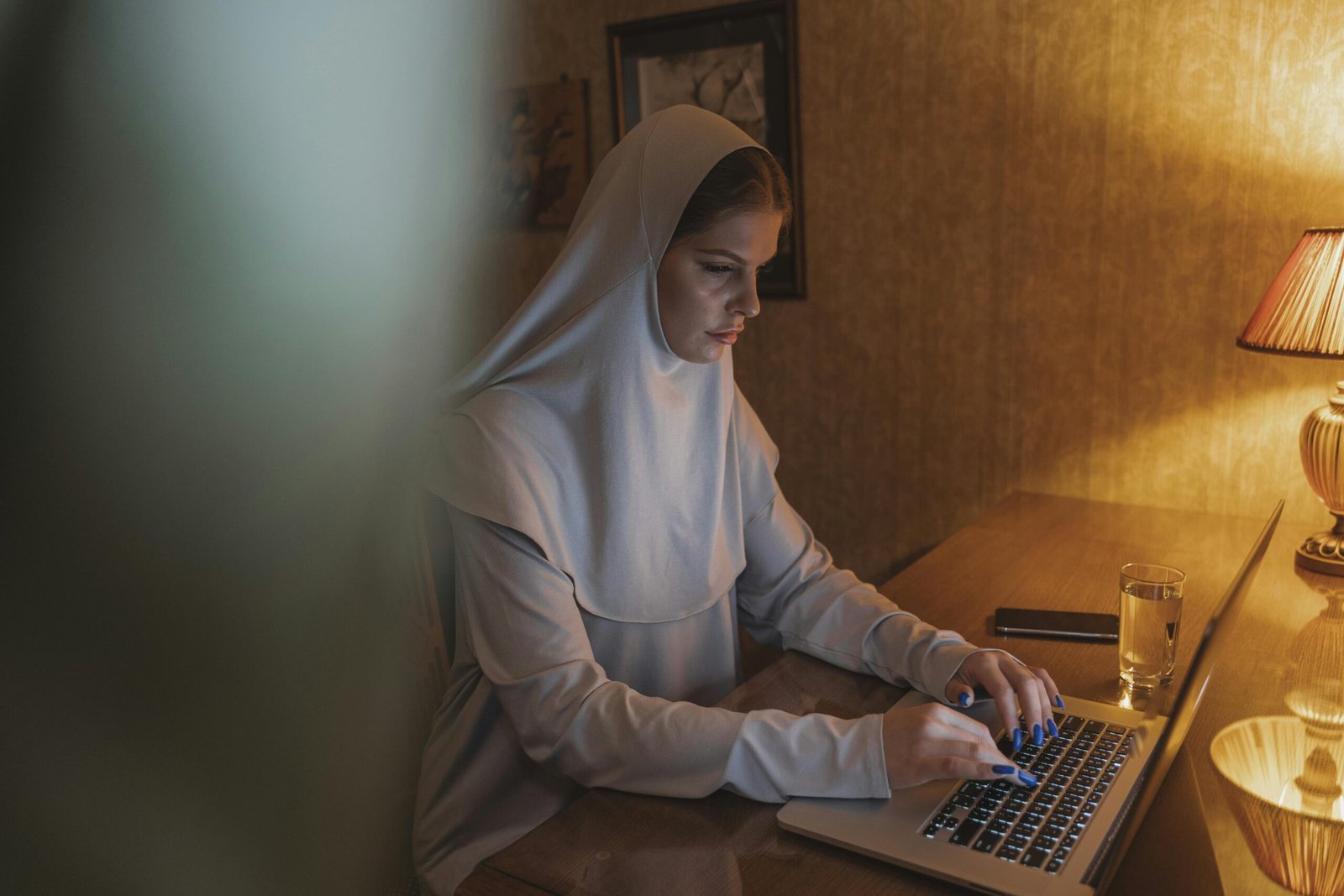
Modern technology offers halal solutions for Muslims seeking marriage, but not all platforms are equal. When evaluating Islamic matrimonial apps and websites, look for several critical features:
Verification
Look for ID checks, profile completeness, and real-user accountability.
Modesty
Choose platforms that reduce swiping culture, idle chat, and unnecessary exposure.
Family involvement
A halal process should make wali and family participation easier, not harder.
Verification: Does the platform verify identities and credentials? Fake profiles plague general dating apps, wasting your time and potentially putting you at risk. Platforms with 100% ID verification eliminate catfishing and ensure you’re connecting with real, serious individuals.
Modesty Features: Does the platform protect hayaa? Blurred profile photos until serious interest is established, limited browsing, and restricted messaging all indicate a platform designed for modesty rather than superficial swiping.
Wali Involvement: Is family involvement facilitated or ignored? A Shariah-compliant platform should make wali sharing easy and expected—not optional or awkward.
Serious Intention: Does the platform attract marriage-focused users or casual browsers? Features like response time limits and structured matching processes filter out time-wasters.
Healthy Nikah, for example, serves UK-based healthcare professionals with verified profiles, mandatory wali sharing, and a no in-app messaging policy that ensures direct contact only happens when both parties (and their families) are genuinely interested. With an average timeline of 7–9 weeks to first meeting and 4 months to nikah, it demonstrates what’s possible when a platform is built for serious marriage rather than casual connection.
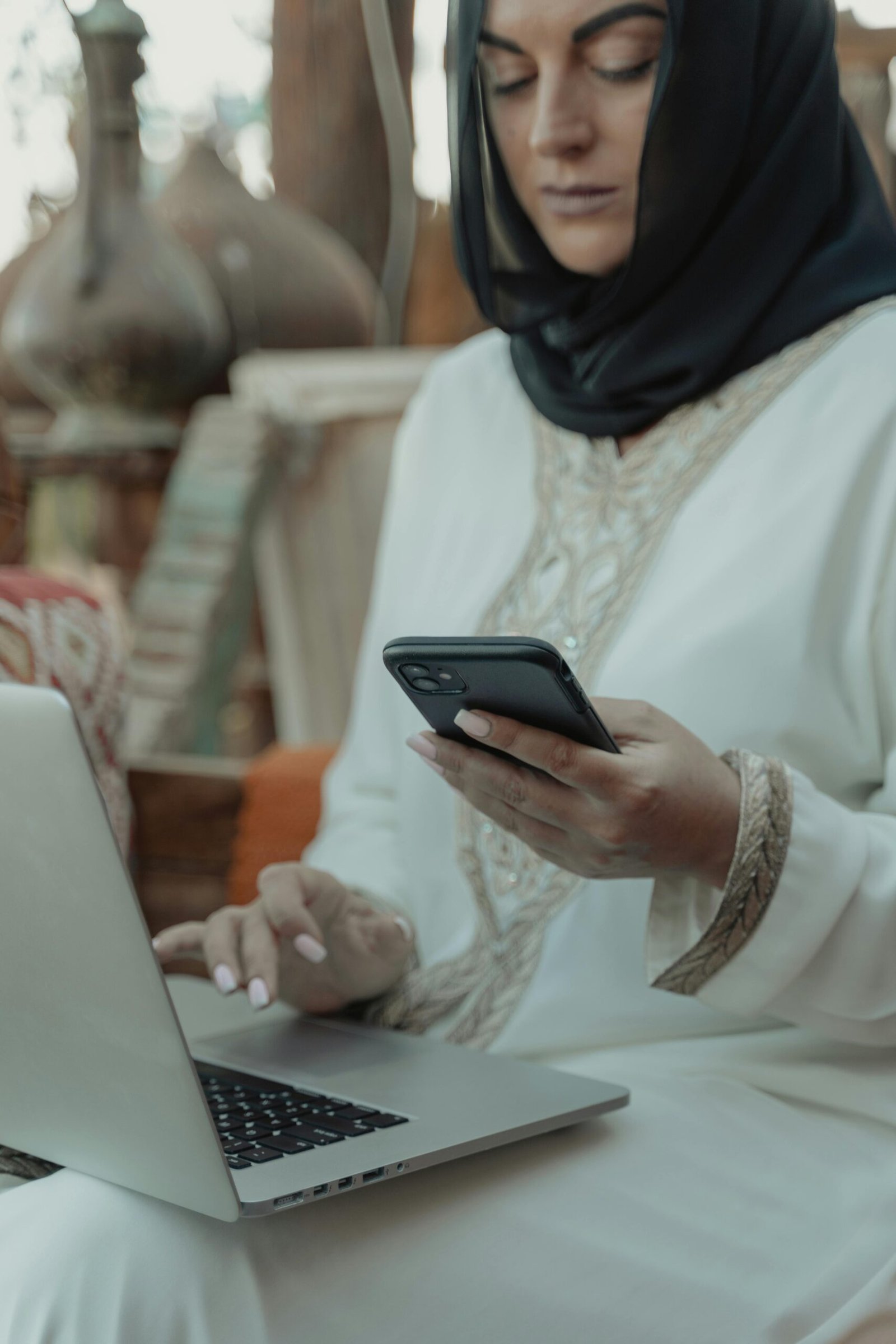
It’s important to note that the use of online matrimonial sites can be problematic, as many women report negative experiences with them. To address these concerns, some online platforms now include chaperone modes where a guardian can access chat transcripts, helping to maintain Islamic boundaries. Specialized apps designed for Muslims can also filter by religious practice and location, promoting Shariah-compliant interactions. Halal matrimonial websites and apps specifically designed for Muslims seeking marriage offer features to maintain Islamic boundaries and ensure a safer, more respectful experience.
For doctors, nurses, pharmacists, and other professionals with demanding schedules, specialized platforms that understand your career challenges offer significant advantages over general matrimonial sites where others may not appreciate why you can’t respond during a 12-hour shift.
The Complete Islamic Courtship Process
With potential matches identified through community, family, or halal platforms, the courtship process itself must follow Islamic guidelines. This isn’t about rigid rules limiting connection—it’s about protecting hearts, honoring families, and building marriages on solid foundations.
When seeking a spouse, it is important to look for the right man or right woman who aligns with Islamic values, personal aspirations, and demonstrates piety, good character, and emotional maturity. The Prophet Muhammad ﷺ advised prioritizing religious commitment and character over wealth, beauty, or lineage when choosing a spouse.
Essential Steps for Halal Courtship
The following process applies whether you meet through your masjid, extended family introduction, or a matrimonial platform:
- Make intention and sincere dua: Begin with clarity about what you’re seeking and ask Allah to guide you to the right person. The Prophet ﷺ encouraged dua for a spouse who will be good for your deen, your life, and your akhirah.
- Involve family from the start: Inform your wali and parents about your interest in a specific person. This isn’t asking permission to “date”—it’s inviting their wisdom, protection, and blessing into the process from day one.
- Conduct appropriate inquiries: Before any meeting, learn about the person’s character, deen, family, and background through trusted sources. Ask about their prayer, their relationship with their parents, their life goals, and their understanding of marriage responsibilities.
- Arrange chaperoned meetings: When both families approve, meet in the presence of a mahram or in a public setting. Focus conversations on values, expectations, family involvement, and compatibility—not just chemistry. The Prophet ﷺ permitted looking at a prospective spouse with the intention of marriage, always maintaining modesty. (IslamQA: Looking at a prospective spouse)
- Pray istikhara: Seek Allah’s guidance through the istikhara prayer. This isn’t asking for a dream or sign—it’s asking Allah to facilitate what’s best and remove what isn’t. Trust that if this person is right for you, the path will open; if not, obstacles are Allah’s mercy.
- Move toward engagement and nikah: If both parties and families agree, proceed to formal engagement and then nikah. Islam encourages not delaying marriage once suitability is established. Hard work in the search phase pays off here.
Throughout this process, maintain patience and an open mind. The right person may not match your mental image perfectly, but they will complement your deen and support your journey to Jannah.
Comparison of Partner-Finding Methods
| Criterion | Traditional Matchmaking | Community Introduction | Islamic Matrimonial Apps |
|---|---|---|---|
| Timeline to Meeting | 3–6+ months (often slow) | 1–3 months (depends on network) | 7–9 weeks (structured process) |
| Family Involvement | Very high (family-driven) | High (introduced through trusted sources) | Built-in (wali-sharing features) |
| Verification Level | Relies on reputation | Relies on introducer’s knowledge | 100% verified (ID + credentials) |
| Cost | Often expensive (broker fees) | Free (relationship-based) | Affordable (£10–40 total) |
| Geographic Reach | Limited to local community | Limited to known network | Broader (national/international) |
| Control Over Process | Lower (family leads) | Medium | Higher (you initiate matches) |
Choosing the right approach: For those with strong local community connections and family networks, traditional methods work well. For professionals with limited social circles—especially healthcare workers whose demanding schedules prevent regular community attendance—verified online platforms offer the best combination of reach, verification, and efficiency.
The best way is often a combination: stay active in your community, ask family members to keep you in mind, and supplement with a Shariah-compliant platform that expands your options beyond your immediate circle.
Common Challenges and Islamic Solutions
Limited Social Circles
The Challenge: Many professionals, especially those who relocated for education or career, find themselves without the community networks their parents’ generation relied upon. Your masjid might be small, your work colleagues may not be Muslim, and your extended family might be overseas.
The Solution: Expand your community involvement intentionally—even small steps count. Attend one Islamic event monthly, join an online Islamic learning community, or volunteer with a Muslim organization. Simultaneously, use verified online platforms that connect you with serious Muslims beyond your immediate circle. Healthy Nikah’s community of 3,500+ verified healthcare professionals, for example, offers access to potential matches you’d never encounter through your local network alone.
Balancing Career and Marriage Search
The Challenge: Healthcare professionals, in particular, face brutal schedules. Shift work, on-call responsibilities, and exhaustion make community attendance difficult and traditional search processes frustrating. The idea of adding “spouse search” to your workload feels overwhelming.
The Solution: Acknowledge that your search may require different methods than those used by previous generations. Platforms designed for professionals with demanding careers—featuring 7-day response windows rather than immediate chat expectations, verified credentials so you know matches understand your world, and structured processes that respect your time—eliminate the inefficiencies of casual approaches.
When you match with a future husband or wife who also works 50+ hours weekly, they’ll understand when you can’t respond for a day. This mutual understanding, built into platform design, prevents the frustration of mismatched expectations.
Family Pressure and Expectations
The Challenge: Some Muslims face parents with specific cultural expectations—preferences for certain nationalities, professions, or family backgrounds that may limit options. Others experience pressure to marry quickly without adequate time for evaluation. Navigating family opinions while making a personal decision creates stress.
The Solution: Honor your parents while communicating clearly about your values and non-negotiables. It is important to find a middle ground between family expectations and your personal choice, balancing respect for your parents with your own needs. Explain, with kindness, that you’re seeking someone with strong deen and good character as the Prophet ﷺ advised—and that you welcome their involvement within that framework. Involve them in the process rather than hiding your search; families who feel included are usually more flexible than those who feel excluded. Humility is a vital quality in a partner, as it allows for forgiveness and understanding, which is especially important when navigating family dynamics.
If pressure becomes overwhelming, seek advice from a trusted imam or Islamic counselor who can speak with your parents and provide an outside opinion grounded in Islamic teachings.
Avoiding Fake Profiles and Time-Wasters
The Challenge: General matrimonial sites and dating apps are plagued with fake profiles, catfishing, and people with no genuine marriage intention. You invest time in conversation only to discover the person was misrepresenting themselves—or was never serious about nikah.
The Solution: Use only platforms with rigorous verification. ID verification or credential checks (especially important for healthcare professionals), and mandatory profile completeness all filter out dishonest users. Features like no in-app messaging until mutual matching—as Healthy Nikah implements ensure that by the time you’re in contact, both parties have demonstrated genuine interest.
Red flags to watch for:
- reluctance to involve wali
- avoidance of video calls
- inconsistent stories about work or education
- excessive focus on physical appearance over character
Trust your instincts, and don’t hesitate to cut contact when something feels wrong.
Conclusion and Next Steps
Finding a partner in Islam isn’t about luck or chance—it’s about combining sincere dua to Allah, active involvement of your wali and family, engagement with your Muslim community, and wise use of modern halal tools designed for serious marriage-seekers. The process requires patience, faith, and persistence, but millions of Muslims have walked this path successfully, and you can too, in sha Allah. A marriage built on Islamic principles brings countless blessings (barakah) from Allah, including divine grace and a sense of fulfillment in following His guidance.
The Prophet ﷺ promised that those who marry to complete their deen and protect themselves will receive Allah’s help —
"There are three whom Allah will help: the one who marries seeking to remain chaste..." (Tirmidhi 1655)
That promise remains true today. Patience is essential—having a patient partner means you will have support during difficult times, helping you overcome challenges together. Practicing gratitude in marriage enhances love and appreciation, creating a positive cycle of kindness and affection between spouses.
Your immediate next steps:
- Make sincere dua and set your intention. Ask Allah SWT to guide you to the right person and to make your search easy. Be specific in your prayers about the qualities you seek. Recite the dua of Musa ﷺ: “Rabbi inni lima anzalta ilayya min khayrin faqir” — “My Lord, indeed I am, for whatever good You would send down to me, in need” (Quran 28:24).
- Inform your family of your marriage plans. Talk to your parents and wali, communicate your readiness, and invite their involvement and suggestions.
- Join a verified Islamic matrimonial platform. Supplement community efforts with a Shariah-compliant platform that offers verification, wali involvement, and serious users. Healthy Nikah serves 3,500+ verified healthcare professionals and offers average nikah timelines of just 4 months.
- Increase your community engagement. Attend Islamic events, volunteer, and make your search known to trusted brothers and sisters who can recommend suitable matches.
Finding your spouse is one of the most significant decisions of your life. Approach it with the seriousness it deserves, the Islamic guidelines that protect you, and the confidence that comes from knowing Allah controls all outcomes and bestows blessings on those who seek marriage sincerely.
What to do next
- Make dua with clear intention.
- Tell your family you are actively seeking marriage.
- Use a serious, verified halal matrimony platform.
- Move conversations toward family involvement early.

Ready to find your spouse the halal way? Join 3,500+ verified Muslim professionals on Healthy Nikah and start your halal marriage journey today—matching with serious marriage-seekers who share your values and understand your demanding career.
Frequently Asked Questions (FAQs)
-
Is it permissible in Islam to use a matrimonial app to find a spouse?
Yes, using a halal matrimonial app is permissible provided it maintains Islamic boundaries—no free mixing, no casual messaging, and family (wali) involvement. Platforms like Healthy Nikah, which have no in-app messaging and automatically share wali contact details after a set period, exemplify these standards. For a deeper understanding of the permissibility and guidelines surrounding Muslim dating apps, you can read our detailed blog post on whether Muslim dating apps are halal or haram, which explores how to navigate these platforms in line with Islamic principles.
-
What is the Islamic process of finding a spouse step by step?
The process begins with making sincere intention (niyyah) and dua, followed by informing your wali and family of your readiness. You then seek a potential match through community networks, family introductions, or a verified halal platform. Once a match is identified, appropriate chaperoned meetings are arranged, both families conduct inquiries, and istikhara is prayed before moving to engagement and nikah. The entire process should maintain hayaa (modesty) and avoid khalwa (private seclusion) at every stage.
-
How do I involve my wali if he is not supportive of my marriage search?
Begin with an honest, respectful conversation explaining your Islamic right to marriage and the importance of the wali’s role. Give him resources from certified Islamic scholars or a trusted local imam to help him understand how serious it is to refuse to give consent without a good reason. Islamic scholarship is clear that a wali may not unreasonably prevent a woman from marrying; if he does so, guardianship may pass to the next male relative or the qadi (Islamic judge) in some jurisdictions. Seek mediation from a respected community figure before escalating.
-
How long should the Islamic courtship process take?
There is no fixed timeline in Islamic law, but scholars and practitioners generally advise that a prolonged courtship increases the risk of attachment and fitnah before nikah is confirmed. Practically speaking, most structured processes run2–6 months from initial interest to nikah. Healthy Nikah users average 4 months to nikah, which is both efficient and realistic for working professionals balancing demanding schedules.
-
What if my parents reject every match I present?
Start by understanding their specific concerns — are they cultural (ethnicity, background), practical (income, location), or Islamic (deen, character)? Separate valid Islamic concerns from purely cultural preferences. For cultural objections without an Islamic basis, explain respectfully that Islam does not permit rejecting a proposal solely on grounds of ethnicity or profession
“Indeed, the most noble of you in the sight of Allah is the most righteous of you”
Quran 49:13If discussions stall, involve a neutral third party — an imam, community elder, or Islamic counsellor.
Can a Muslim woman approach a potential spouse first?
Watch: This short SeekersGuidance answer explains the Islamic etiquette of a woman expressing interest in marriage first.
Yes. There is a well-known precedent in Islamic history: Khadijah (may Allah be pleased with her) initiated the marriage proposal to the Prophet ﷺ through an intermediary. A Muslim woman expressing interest — through her wali, a trusted community member, or a structured halal platform — is entirely permissible and does not compromise her modesty or honour. What matters is that the communication remains purposeful, modest, and involves family from the start.
Additional Resources
Reputable Islamic Scholars for Marriage Guidance
- Mufti Menk — Islamic marriage lectures and practical advice
- Yasir Qadhi — Contemporary fiqh of marriage
- Omar Suleiman — Spiritual preparation for marriage
Recommended Duas for Finding a Righteous Spouse
- “Rabbi inni lima anzalta ilayya min khayrin faqir” (Dua of Musa ﷺ, Quran 28:24)
- Dua for istikhara when evaluating specific potential matches
- General dua asking Allah for a spouse who will be good for your deen, dunya, and akhirah
Islamic Marriage Preparation Resources
- “Before You Tie the Knot” by Imam Muhammad Baianonie
- Pre-marital courses offered through local Islamic centers (Taking a structured pre-marital course can provide essential guidance and preparation for marriage according to Islamic principles.)
- Healthy Nikah’s blog resources on Islamic courtship and nikah preparation