Skip to main content Skip to footer
Introduction
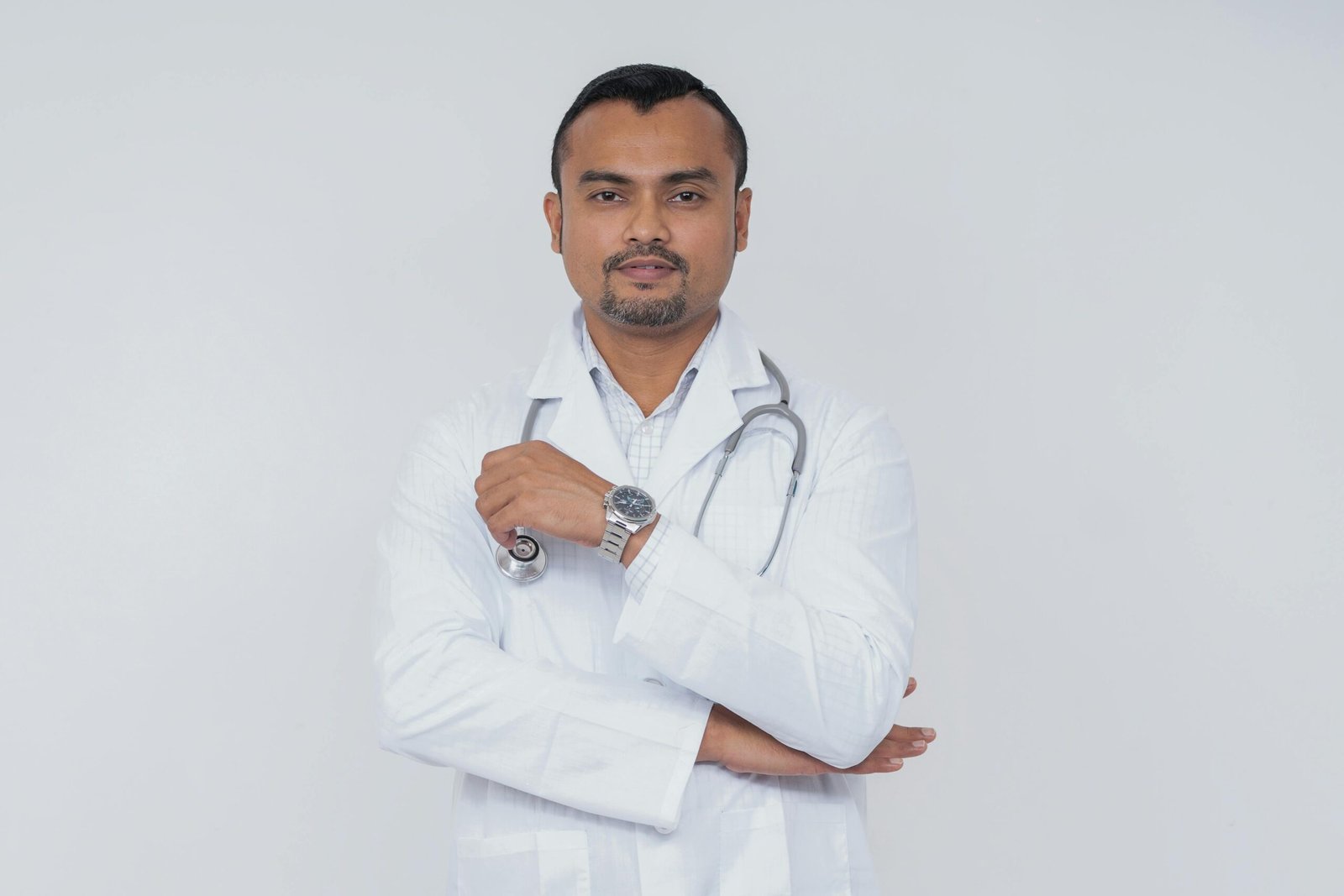
This guide is designed for Muslim doctors, nurses, pharmacists, and dentists in the UK who are seeking a Shariah-compliant path to marriage while managing demanding healthcare careers. The Muslim healthcare community in the UK is marked by its diversity, encompassing a wide range of linguistic, cultural, and religious backgrounds. It addresses the unique challenges faced and offers practical, faith-based solutions. If you are searching for information on “Muslim healthcare professionals marriage,” you are in the right place.
Balancing faith, career, and family is a significant concern for Muslim healthcare professionals in the UK. The journey to marriage can be especially complex due to long shifts, unpredictable rotas, and the need to maintain Islamic values. Many also face challenges related to access to information and support, particularly for those from non-English speaking backgrounds who may require language and interpretation services. This guide is for Muslim healthcare professionals seeking marriage in the UK, providing insights into the specific obstacles you face and actionable steps to help you find a spouse in a halal, efficient, and supportive way. Muslim Marriage Events are designed for single Muslims to meet potential partners in a respectful environment.
Why This Topic Matters: Muslim healthcare professionals often struggle to find time for traditional matchmaking, face unique emotional and spiritual pressures, and must navigate both family expectations and professional demands. Islamic traditions have an important effect on marriage processes, and there is a need for a respectful environment that honors these customs and supports diverse backgrounds. Ensuring a Shariah-compliant marriage process is essential for maintaining both faith and well-being.
If you are a Muslim healthcare professional looking for a halal, efficient, and supportive way to find a spouse, this guide outlines the challenges you face and how platforms like Healthy Nikah can help you achieve your marriage goals without compromising your faith or career.
Quick Answer
Muslim healthcare professionals in the UK face specific marriage barriers — shift patterns, rotas, emotional burnout, and family pressure. Shariah-compliant platforms like Healthy Nikah solve these with healthcare filters, wali auto-sharing, verified profiles, and structured timelines averaging 7–9 weeks to first meeting and ~4 months to nikah.
Table of Contents
Glossary of Key Terms
Key Takeaways
At a Glance
Muslim healthcare professionals in the UK face unique marriage challenges including demanding shift patterns, on-calls, and family expectations that make traditional matchmaking difficult. A Shariah-compliant, professional matrimony solution like Healthy Nikah addresses these specific needs.
Healthy Nikah is a UK-based Muslim matrimony app launched for healthcare professionals with 3,500+ verified users, focused exclusively on nikah rather than casual relationships.
Core Islamic principles for marriage — nikah intention, wali involvement, modesty (hayaa), and purposeful communication — are built directly into the platform through features like wali auto-sharing, blurred photos, and no in-app chat.
Healthcare-specific filters and credential verification mean doctors, nurses, pharmacists, and dentists can find spouses who genuinely understand the demands of their profession.
The typical Healthy Nikah timeline runs 7–9 weeks to first meeting and around 4 months to nikah, demonstrating that halal marriage can be both efficient and structured.
Main Solutions and Actionable Steps for Muslim Healthcare Professionals Seeking Marriage
If you are a Muslim healthcare professional looking for a halal, efficient, and supportive way to find a spouse, consider the following actionable steps:
- Use a Shariah-compliant matrimony platform like Healthy Nikah that verifies healthcare credentials and prioritises Islamic values.
- Choose platforms with a dedicated team that supports users through each stage of the matchmaking process, from registration to post-match support.
- Involve your wali (guardian) early in the process to ensure family support and compliance with Islamic guidelines.
- Focus on purposeful, modest communication and avoid platforms that encourage casual chatting or swiping.
- Set clear preferences for profession, location, and Islamic criteria to find compatible matches.
- Take advantage of structured timelines and features that respect your busy schedule and reduce unnecessary delays.
Understanding the Marriage Needs of Muslim Healthcare Professionals

The reality for UK Muslim doctors, nurses, pharmacists, and dentists involves working nights, weekends, and long shifts while trying to maintain salah, family ties, and a halal search for a spouse. The Muslim healthcare community is marked by significant diversity, with members coming from various countries and cultural backgrounds, each bringing unique perspectives and needs. Matchmaking platforms and events often consider the ages of participants to ensure better compatibility and more successful matches. It is also important to understand the needs of all members of the Muslim community, including those from different countries or vulnerable groups such as refugees and non-English speakers. This creates a unique set of circumstances that generic matrimony approaches often fail to address.
Irregular Shift Patterns
Irregular shift patterns create logistical barriers. FY1 doctors (first year of postgraduate training) working 12-hour nights, NHS nurses on rotating rotas, and pharmacists covering weekend shifts find it nearly impossible to attend traditional events-based matchmaking consistently. Those London or Birmingham hotel events may sound appealing, but when your rota changes every few weeks, committing to in-person gatherings becomes impractical.
Emotional and Spiritual Toll
Emotional and spiritual toll requires understanding. Healthcare work exposes professionals to ICU deaths, trauma cases, ethical dilemmas, and the ongoing aftermath of challenges like Covid-19. A spouse who understands this environment—who can recognise when you need space after a difficult shift—becomes particularly important for long-term relationship success. Building meaningful relationships that offer genuine emotional and spiritual support is essential, especially for Muslim healthcare professionals seeking connections rooted in faith and shared values.
Family and Cultural Expectations
Family and cultural expectations add pressure. Many parents prefer “safe” 9–5 careers and express concern when their children pursue medicine or nursing. There’s often pressure to marry by early 30s, and particular concern over delayed marriage for women in medical training. This creates stress that compounds the already demanding nature of healthcare careers.
Cultural expectations for high-cost weddings and money-related pressures can also act as significant barriers to marriage for young Muslim healthcare professionals, making it more challenging to balance financial considerations with personal and family expectations.
Challenges for Muslim Women in Healthcare
Muslim women in healthcare face specific challenges. Wearing hijab in clinical roles, managing night shifts, and navigating questions around pregnancy during training years require a spouse who respects both deen and career aspirations. Some studies suggest that female physicians may be less likely to be married than their male counterparts, pointing to real structural barriers that career demands create for women in these fields.
Interest from Non-Healthcare Professionals
Non-healthcare professionals actively seek medical spouses. Perceived stability, shared respect for education, and admiration for the profession mean many individuals outside healthcare want to marry into the medical field. A comprehensive platform must accommodate both healthcare and non-healthcare users seeking these connections.
Healthy Nikah was designed precisely for this niche: serious, educated Muslims—especially healthcare workers—who want nikah without compromising Shariah principles.
Islamic Principles of Nikah for Busy Professionals
No matter how demanding your rota becomes, the principles of Islamic marriage do not change. Islam provides comprehensive guidance for marriage, drawing from the Quran and Islamic traditions to ensure that both men and women are treated with respect and dignity. What busy professionals need are practical, modern tools to implement these timeless guidelines effectively.
The Purpose of Nikah
Nikah serves spiritual and emotional objectives. The Qur’an describes marriage as a source of tranquillity, mercy, and affection:
وَمِنْ آيَاتِهِ أَنْ خَلَقَ لَكُم مِّنْ أَنفُسِكُمْ أَزْوَاجًا لِّتَسْكُنُوُا إِلَيْهَا وَجَعَلَ بَيْنَكُم مَّوَدَّةً وَرَحْمَةً
Wa min āyātihi an khalaqa lakum min anfusikum azwājan litaskunū ilayhā wa jaʿala baynakum mawaddatan wa raḥmatan.
“And of His signs is that He created for you from yourselves mates that you may find tranquillity in them; and He placed between you affection and mercy. Indeed in that are signs for a people who give thought.” — Qur’an 30:21
For healthcare workers under constant pressure, these qualities become even more essential. Marriage should be a refuge from the stresses of professional life, not an additional burden.
Hadith
“Marriage is part of my sunnah, and whoever does not follow my sunnah has nothing to do with me.”
Ibn Majah 1846 — The Prophet Muhammad ﷺ
Watch: Yaqeen Institute explores why marriage is so complicated for Muslim professionals today — and what Islam says about approaching it with the right intention.
The Role of the Wali
The wali plays a protective role. According to the majority of scholars, a woman’s guardian (wali) should be involved in the marriage process for protection and support. The Prophet ﷺ said:
“There is no marriage without a wali.”
In online contexts where strangers connect, this involvement becomes especially reassuring. It adds a layer of accountability that casual platforms lack. For scholarly guidance on wali requirements in modern online matrimony, see this fatwa from IslamQA.
Modesty (Hayaa) in Pre-Marriage Interaction
Hayaa (modesty) governs pre-marriage interaction. Islamic guidelines call for limited, purposeful communication between potential spouses—avoiding flirtation, unnecessary mixing, and prolonged private conversations. Many swipe-based apps directly conflict with this principle, encouraging casual chatting that can lead to fitnah (temptation or trial). Read our article to find out whether muslim dating apps are halal or haram.
Criteria for Spouse Selection
Character and deen should guide spouse selection. The Prophet ﷺ said:
Hadith
“If there comes to you one with whose character and religious commitment you are pleased, then marry (your daughter or female relative under your care) to him; for if you do not do that, there will be fitnah in the land and widespread corruption.”
At-Tirmidhi 1084 — The Prophet Muhammad ﷺ
Islamic teachings emphasise choosing partners for their religion and good character. This connects to why professionals should prioritise akhlaaq (good character) over job titles or income brackets alone. A surgeon with poor character is a worse match than a teacher with strong faith.
Read our article on “How to Find a Partner in Islam” if you want to find out more.
Balancing Career and Family as Ibadah
Career and family are both acts of ibadah (worship). Seeking rizq (provision) through halal work and building a family are both forms of worship when done with correct intention. The challenge lies in balancing these responsibilities, which requires a spouse who shares this understanding.
Non-Negotiables
A Shariah-compliant matrimony platform should therefore involve the wali, reduce fitnah, limit idle chatting, preserve privacy, and still be efficient for people with limited time. These are non-negotiables, not nice-to-haves.
Common Challenges in Muslim Healthcare Professionals’ Marriage Journeys
Muslim healthcare professionals in the UK often report feeling stuck in their marriage search. They’re too busy for traditional events, uncomfortable with dating-style apps, and unsure how to make progress while maintaining Islamic values. Here’s a breakdown of the most common challenges:
| Challenge | Impact on Marriage Journey |
|---|---|
| Time Constraints | 48+ hour working weeks under EWTD regulations, unpredictable on-calls, and shift patterns make attendance at matchmaking events extremely difficult |
| Geographic Spread | NHS training rotations move junior doctors and nurses across different regions; location-based matchmaking becomes impractical when you may relocate within months |
| Emotional Burnout | After emotionally intense shifts in oncology, A&E, or ICU, many professionals have no energy left for socialising or extended messaging on generic apps |
| Mismatch of Seriousness | Healthcare professionals typically want marriage-focused intentions from the outset, while many mainstream platforms foster a casual “let’s chat and see” culture |
| Safety Concerns | Catfishing, unverified professional claims, and married individuals misrepresenting themselves are genuine risks on unmoderated platforms |
| Cultural vs Islamic Criteria | Family insistence on same ethnicity, specific income brackets, or geographic proximity can conflict with Islamic focus on piety and character as primary criteria |
Time Constraints
Junior doctors working under EWTD regulations, pharmacists covering weekends, and nurses on rotating rotas find it extremely difficult to attend consistent marriage events. When you finally get a day off, adding a matchmaking obligation feels overwhelming.
Geographic Spread
NHS training rotations regularly move junior doctors and allied health professionals across different regions of the UK. This makes location-based matchmaking especially challenging for those who might relocate within months of meeting someone.
Emotional Burnout
After emotionally intense shifts in oncology, paediatrics, or A&E trauma, many healthcare professionals have no energy left for socialising or extended messaging on general Muslim apps. The mental load of the profession carries over into every other area of life, including the marriage search.
Mismatch of Seriousness
Healthcare professionals typically want clear, marriage-focused intentions. The “let’s just chat and see where this goes” culture prevalent on mainstream apps wastes precious time and can feel disrespectful for people who value every hour of their limited free time.
Safety and Authenticity
Catfishing, unverified professional credentials, and married individuals misrepresenting themselves are genuine concerns on unmoderated platforms. Female users and their families are particularly cautious about these risks.
Cultural vs Islamic Expectations
Scenarios where families insist on same ethnicity, same city, or a specific income bracket can clash with an individual’s focus on Islamic criteria like piety and character compatibility. These tensions require careful, faith-anchored navigation.
How Healthy Nikah Supports Muslim Healthcare Professionals Seeking Marriage
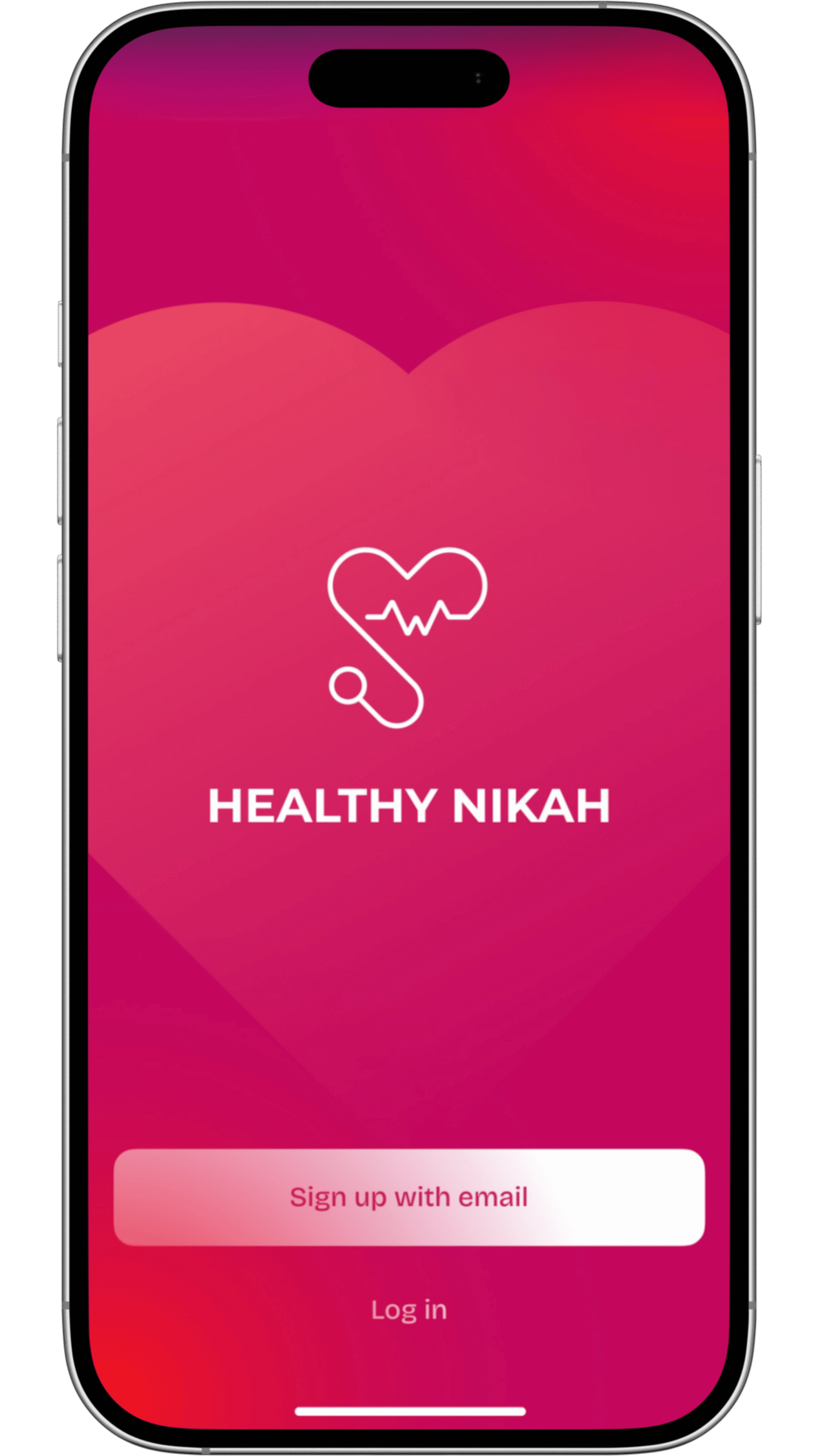
Healthy Nikah is built on the premise that Muslim healthcare professionals deserve a matrimony platform that truly understands their world. Every feature maps to a real, documented challenge.
Watch: Mufti Menk’s practical checklist for marriage readiness — essential viewing before joining any platform.
Healthcare-Focused Matching
Filters for doctors, nurses, pharmacists, dentists, and other allied health roles allow users to prioritise spouses who understand rotas, exams, and training pathways. Someone who has lived through MRCS revision or nightshift fatigue gets it in ways others might not.
Wali Auto-Sharing
After mutual interest, the app automatically shares wali or family contact details (with consent). This makes it easy to shift from individual conversations to family-inclusive discussions—exactly as Islamic guidelines recommend. Consistent with scholarly guidance on online matrimony.
Modesty-First Design
Blurred profile photos, limited initial profile information, and no public browsing gallery protect hayaa and reduce focus on superficial appearance. You’re matching based on deen and compatibility, not just looks.
No In-App Messaging
Users move to direct, supervised contact only once there is mutual interest and wali approval. This prevents endless, casual conversations that go nowhere—a common frustration on other platforms.
Time-Respect Features
7-day response windows, limited match credits, and structured steps reduce ghosting and encourage clear, timely decisions. Ideal for those juggling call rotas and clinics who cannot afford to wait indefinitely for responses.
Platform Performance Data
7–9 wks
Average to first meeting
~4 mo
Average to nikah
3,500+
Verified users
£10
One-time registration fee
Explore how Healthy Nikah works for Muslim doctors, nurses, and healthcare professionals seeking marriage or learn about our mission as the UK’s Shariah-compliant Muslim matrimony platform.
Marriage Compatibility Factors for Muslim Healthcare Professionals
Compatibility in marriage extends far beyond job titles and income brackets. For Muslim healthcare professionals, several specific factors deserve careful discussion during the spouse-seeking process.
Islamic Compatibility
Shared Islamic values form the essential foundation. This includes prayer habits, Islamic dress, approach to raising children with Islamic identity, and halal income. Compatibility on these fundamentals predicts long-term marital wellbeing far more reliably than professional alignment alone.
Understanding of Healthcare Career Demands
A spouse who understands the realities of clinical work—accepting night shifts, on-call responsibilities, MRCS/MRCP exam seasons, and emotionally draining shifts—will contribute to a more stable and supportive marriage.
Career and Family Planning
Discussions about children, career trajectories, and potential relocations for CCT completion or consultant posts need to happen early and honestly. Many healthcare professionals’ career timelines affect when they can start a family, and these conversations must form part of initial compatibility assessments.
Financial Planning
Medical training salaries, student loans, and London cost of living create financial realities that require open, halal discussion. Cultural expectations around lavish weddings can be particularly challenging for young professionals in training grades.
Cultural and Family Dynamics
The diversity of the UK Muslim healthcare community—including UK-born professionals and internationally trained clinicians from Pakistan, India, Egypt, Bangladesh, Nigeria, and beyond—means cultural compatibility and in-law dynamics require careful navigation.
Compatibility Areas to Discuss Early
Deen alignment & Islamic practice
Understanding of shift patterns & on-calls
Family timeline & children
Financial planning & wedding expectations
Willingness to relocate for training
Cultural background & in-law expectations
Healthy, Halal Communication for Professionals on the Path to Nikah
Effective, Shariah-compliant communication between potential spouses should be purposeful, modest, and efficient. For healthcare professionals juggling ward rounds, clinics, and on-calls, there is no time for aimless back-and-forth messaging.
A Phased Approach to Communication
A phased approach works best. Initial contact should focus on deen compatibility and major deal-breakers. Middle stage should address practical lifestyle questions like rotas, children, and finances. Final stage should move toward nikah logistics and formal family meetings.
| Phase | Focus | Who is Involved |
|---|---|---|
| Initial | Deen, values, major expectations | Individual + wali notified |
| Middle | Lifestyle compatibility, career plans, family discussions | Both parties + wali included |
| Final | Nikah logistics, formal proposal arrangements | Full family involvement |
For healthcare workers, shorter but deeper conversations (30–45 minutes, agenda-focused) are more productive than daily texting. This approach reduces fitnah and miscommunication. For detailed scholarly guidance on the boundaries of pre-nikah communication, SeekersGuidance provides accessible answers from qualified scholars.
How Healthy Nikah Enforces This
No in-app DMs, wali involvement from day 7, structured steps that push toward a formal proposal rather than letting conversations drift. The platform is designed around the stricter, safer scholarly positions on pre-nikah communication.
Case Snapshots: How a Healthcare-Focused Matrimony Approach Helps
The following are anonymised, composite-style examples inspired by real patterns from Muslim healthcare professionals. No actual user identities are revealed. These illustrate how specific Healthy Nikah features address real-world challenges. Our dedicated team supports users at every stage of their journey, from registration through to post-match guidance.
Step-by-Step: Using Healthy Nikah as a Muslim Healthcare Professional
Here’s a practical walkthrough of the Healthy Nikah journey from download to nikah, tailored for healthcare schedules.
Step 1: Download and Registration
Download the Healthy Nikah app on iOS or Android. Getting started requires a £40 joining package, which includes your registration and 10 match credits — everything you need to begin matching immediately.
Once you are a member, your account stays active with a simple £10 monthly membership, which includes 3 credits per month to keep your search moving.
Need more credits? Top up at any time:
- 3 credits — £12
- 10 credits — £30
- Unlimited credits — £99
How credits work: A credit is only spent when there is a mutual match. If you send a match request and the other person does not respond within 7 days, your credit is automatically returned to your account. You never lose a credit on someone who isn’t interested.
This structure is intentional. Every person on Healthy Nikah has made a real financial commitment — which means you are only ever connecting with people who are serious about nikah, not casual browsers.
Step 2: Setting Preferences
Set filters for profession (doctor, nurse, pharmacist, dentist, allied health, or non-medical), age range, UK location, willingness to relocate, and Islamic criteria. These preferences guide your match suggestions from day one.
Step 3: Making Match Requests
Each match request costs 1 credit. This structure encourages thoughtful, purposeful requests rather than mass swiping—signalling genuine interest and respecting the time of everyone on the platform.
Step 4: 7-Day Response Windows
Both parties have a defined window to respond. This reduces ghosting and creates accountability—critical for professionals who need certainty, not ambiguity, in their limited free time.
Step 5: Wali Auto-Sharing
After mutual interest and both parties’ consent, wali contact details are automatically shared. The process naturally progresses from individual interest to family involvement—without awkward conversations or delays.
Step 6: Meetings and Proposal
Arrange a halal, chaperoned in-person or video meeting. Move toward a formal proposal once compatibility is confirmed. Active users on the platform average 7–9 weeks to first meeting and approximately four months to nikah.
Download & Registration
iOS / Android · £40 joining package · 10 match credits included
Set Preferences
Profession · Location · Islamic criteria · Relocation flexibility
Send Match Requests
1 credit per request · Credit returned if no mutual match · No wasted spend
Mutual Match
Both parties express interest · Wali contact shared immediately upon match
Family Involvement
Wali introduced from day one · Families connect directly · No awkward delays
Meetings & Nikah
7–9 weeks to first meeting · ~4 months to nikah (active users)
Ready to take the first step?
Join 3,500+ verified Muslim professionals already using Healthy Nikah.
Create Your Profile →Conclusion: Balancing Scrubs, Salah, and a Spouse
Muslim healthcare professionals do not need to choose between their professional calling and their desire for a halal, family-centred marriage. Both are forms of ibadah when pursued with the right intention.
A Shariah-compliant approach to marriage—involving the wali, prioritising deen, and preserving modesty—is fully compatible with a modern medical career when you have the right platform behind you. The challenges are real. But they are solvable.
Healthy Nikah provides the tools, the Islamic framework, and the healthcare-specific features that busy Muslim professionals need to move from intention to nikah, in sha Allah. Many serious Muslim professionals prioritise shared faith perspectives above all other compatibility factors—and that alignment is exactly what this platform is built to support.
What Makes Healthy Nikah Different
Healthcare professionals
Blurred profile photos protecting hayaa
No swiping or public browsing gallery
No in-app chat that encourages casual, aimless conversations
Wali auto-sharing built into the process from day 1
Realistic, structured timelines that respect professional schedules
May Allah grant you a righteous spouse who is a source of tranquillity, support, and mercy in both dunya and akhirah. Ameen.
FAQs about Muslim Healthcare Professionals and Marriage
Is it harder for Muslim doctors and nurses to get married because of their schedules?
Yes, evidence consistently suggests that healthcare career demands delay marriage for Muslim professionals in the UK. Long working hours under EWTD regulations, frequent geographic relocations during training, and emotional fatigue from clinical work all contribute to delayed marriage. Some studies suggest female Muslim physicians may be less likely to be married than their male counterparts, pointing to structural barriers specific to women in medical careers. However, structured Shariah-compliant platforms that accommodate busy schedules significantly reduce these delays.
Can a non-healthcare professional successfully marry a Muslim doctor or nurse?
Absolutely. Many successful Muslim couples pair a healthcare professional with a spouse from a different field. The key is mutual understanding of lifestyle demands, shift patterns, and the emotional pressures of clinical work. Healthy Nikah allows non-healthcare users to specifically search for healthcare professionals, with full transparency from the outset about the realities of the profession.
How do I present Healthy Nikah to my parents or family?
Present it as a structured, supervised tool—not a dating app. With Healthy Nikah, wali contact details are automatically shared after mutual interest, which reassures families they are not being bypassed. Consider inviting parents to review profiles together, or allowing them to lead some communication once contact is established. The £10 registration fee and credit-based matching system signal seriousness to families concerned about casual, low-commitment platforms.
How do I maintain hayaa and avoid fitnah while getting to know someone online?
Keep communication purposeful, avoid late-night one-to-one conversations, involve a wali or trusted third party from early on, and do not share intimate personal details before nikah. Using platforms with blurred photos, no public profiles, and no idle chat functions makes adhering to these boundaries considerably easier. If uncertain about specific communication methods, consult a qualified scholar—SeekersGuidance offers accessible, evidence-based Islamic guidance for modern situations.
What if my training or relocation plans change after we get engaged?
Medical careers are inherently dynamic. Rotations, fellowship opportunities abroad, or specialty changes can alter earlier assumptions about location and schedules. Building flexibility into early marriage discussions, and making shura (mutual consultation) and tawakkul (reliance on Allah) part of your couple framework, helps navigate these changes without crisis. Serious, Shariah-conscious couples who share strong deen compatibility typically manage professional changes as a team.
What Islamic scholarly resources are recommended for Muslim professionals considering marriage?
Several trusted resources offer reliable, evidence-based Islamic guidance on marriage for modern professionals. IslamQA covers marriage rulings extensively, including wali requirements and online matrimony. Egypt’s Dar Al-Ifta offers accessible fatwa on pre-marriage communication and compatibility. Yaqeen Institute publishes research-backed content on Muslim marriage challenges in Western contexts. For verified hadith on marriage, Sunnah.com is the most accessible authoritative source.
Published by Healthy Nikah — the UK’s Shariah-compliant Muslim matrimony app for healthcare professionals and serious Muslim singles.