Skip to main content Skip to footer
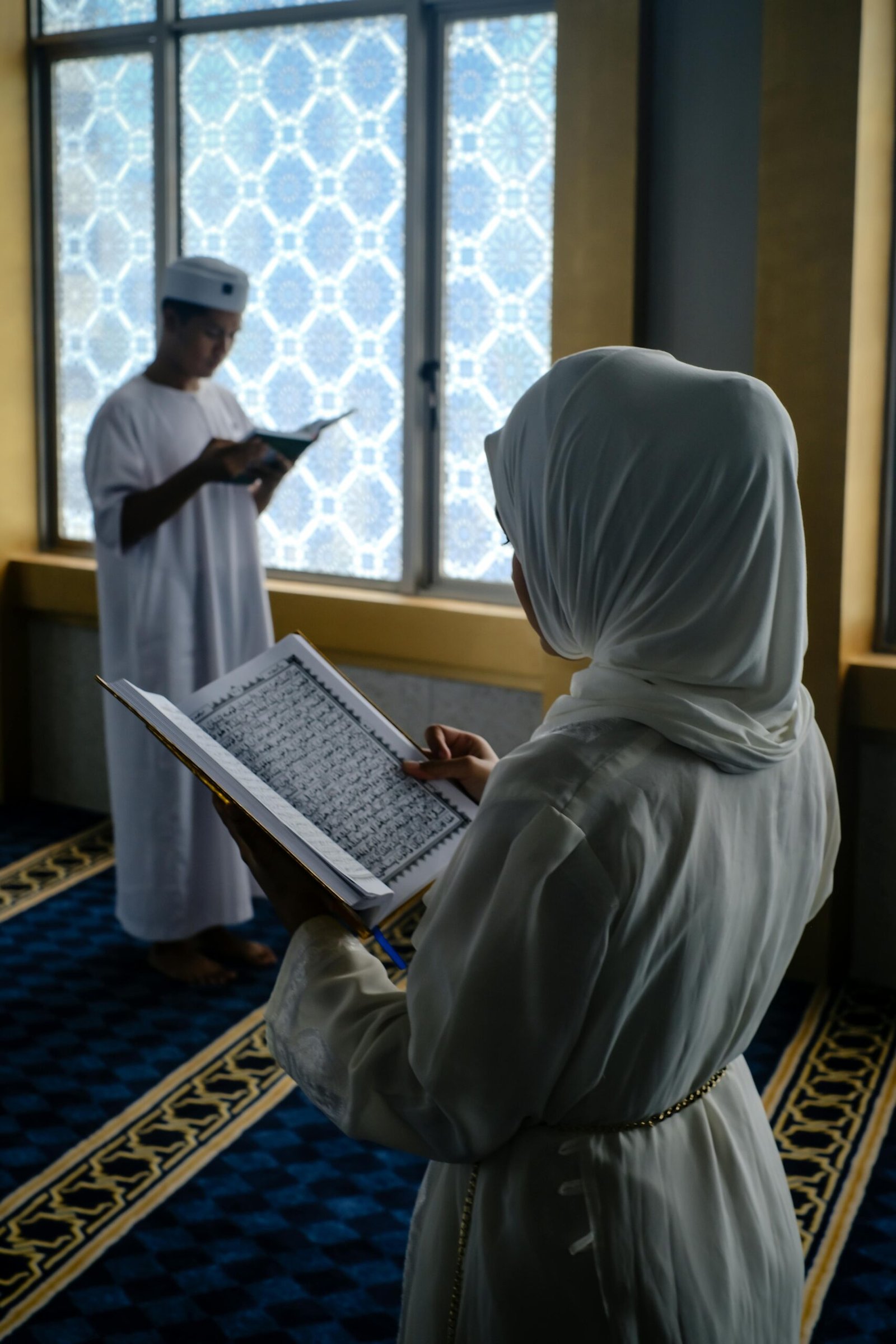
If you have ever asked yourself “what is nikah?”, you are not alone. Nikah is the Islamic marriage contract and ceremony that transforms a relationship from haram to halal — a legally binding agreement between husband and wife that carries deep spiritual weight before Allah. The written contract is sometimes referred to as the nikah nama in many Muslim cultures. Nikah is grounded in Islamic teachings and the Holy Quran, setting it apart from mere cultural practices and emphasizing its religious significance. It provides a lawful way for a man and woman to establish a marriage in accordance with Islamic law.
Unlike casual relationships or the swipe-heavy culture of modern dating apps, nikah is a sacred covenant. It requiresShariah compliance, family involvement through a wali, the presence of witnesses, and an agreed-upon mahr. For Muslims navigating life in the UK and across western countries, understanding nikah is essential — whether you are a busy doctor finishing your training, a nurse managing night shifts, or any professional serious about marriage in Islam.
The Quran describes marriage beautifully:
“And of His signs is that He created for you from yourselves mates that you may find tranquility in them; and He placed between you affection and mercy.”— Quran 30:21
Wa min ayatihi an khalaqa lakum min anfusikum azwajan litaskunoo ilayha wa ja’ala baynakum mawaddatan wa rahmah
During the nikkah ceremony, which is both a contract and a ritual event, specific religious rites are performed. These include reciting verses from the Holy Quran, obtaining consent from the bride and groom, signing the marriage contract, and making prayers. Traditionally, three verses from the Holy Quran are recited during the nikkah ceremony to bless the union.
The Prophet Muhammad ﷺ said: “When a man marries, he has fulfilled half of his religion.”
This highlights how central nikah is to a Muslim’s spiritual and social life. Marriage is a highly recommended act (Sunnah) that protects modesty and encourages a lawful way of fulfilling natural companionship needs, thereby strengthening community ties.
Table of Contents
Introduction to Marriage in Islam
Marriage in Islam is regarded as a cornerstone of a healthy and balanced society. Far more than a social arrangement, Islamic marriage is a sacred institution governed by Islamic law, designed to foster mutual respect, trust, and harmony between the bride and groom.
The Islamic marriage ceremony, known as the nikah, is both a spiritual act and a legally binding marriage contract. This contract is witnessed by at least two adult male witnesses, ensuring transparency and accountability in the union.
At the heart of the marriage ceremony is the mutual consent of both the bride and the groom. The bride’s acceptance of the groom’s proposal is essential, and the marriage contract is not valid without her clear agreement.
Another key element is the mahr—a mandatory gift from the groom to the bride—which symbolizes respect and commitment. The presence of witnesses during the ceremony further reinforces the seriousness and public nature of the marriage in Islam.
Islamic family law places great emphasis on the rights and responsibilities of both parties, ensuring that the marriage is built on a foundation of fairness and compassion. The marriage contract outlines these obligations, making the union not only a spiritual bond but also a legal commitment. Through this process, Islamic marriage aims to create a stable environment for family life, guided by the principles of justice, kindness, and mutual support as taught in Islam.
Key concepts to understand about Nikah
- It is both a legal contract and a religious ceremony
- It requires free consent from both the bride and groom
- A wali (guardian) represents the bride’s interests
- Two witnesses must be present
- The groom provides mahr — a mandatory gift from the groom to the bride, which must be agreed upon before the nikah
- It differs from civil marriage under UK law
For those seeking a Shariah-compliant path to nikah, Healthy Nikah is a Muslim matrimony app launching soon — designed specifically for serious marriage seekers, not casual dating. Built for healthcare professionals and those who want to marry them, it structures the journey toward nikah withimmediate wali involvement, self-declared profiles, and a modesty-first design.
The Spiritual Meaning and Purpose of Nikah
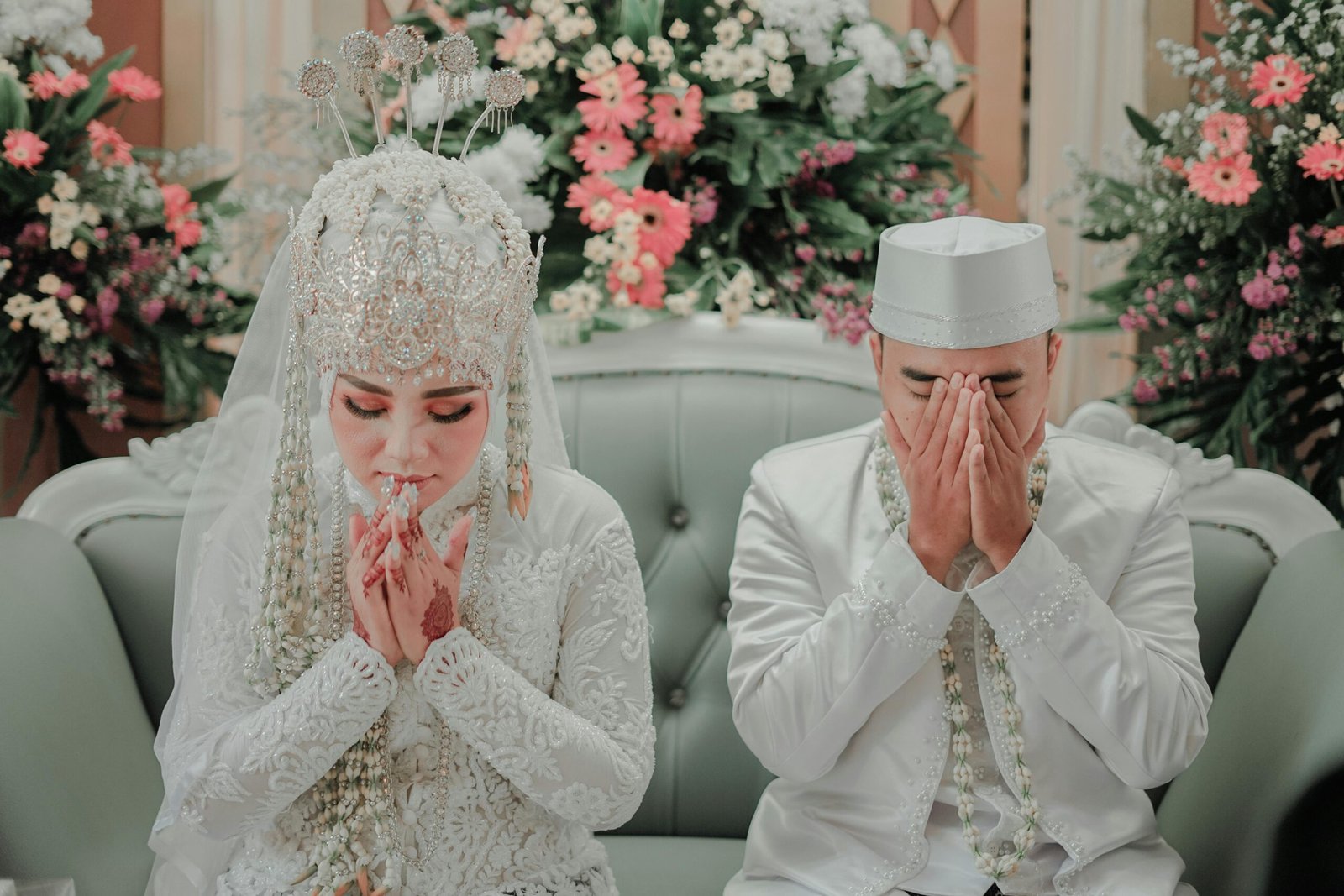
Nikah is far more than a social contract or a piece of paper. In Islamic tradition, it is described as a mithaq ghalidh — a strong, sacred covenant. The Quran uses this same phrase in Quran 4:21 to describe the solemn nature of the marriage bond between husband and wife.
The spiritual purposes of nikah include:
- Protecting modesty (hayaa): Marriage provides a halal outlet for natural desires, safeguarding both parties from sin
- Creating tranquility: As Quran 30:21 states, spouses are meant to find peace and comfort in each other
- Building families: Nikah establishes the foundation for raising righteous children
- Strengthening the ummah: Strong marriages create strong Muslim communities
- Completing faith: The Prophet ﷺ indicated that marriage fulfils a significant portion of one’s religious obligations
Unlike purely civil or romantic concepts of marriage, Islamic marriage is rooted in mutual respect, accountability before Allah, and clearly defined rights and obligations. It is not simply about love — though love and affection are encouraged — but about building a family life structured around worship and responsibility.
For practising Muslims with demanding careers, nikah provides both spiritual stability and practical structure. When you are exhausted from a 12-hour hospital shift, knowing you have a spouse who shares your values and understands your purpose makes all the difference.
Essential Conditions of a Valid Nikah in Islam
Islamic law (fiqh) establishes specific conditions that must be met for a nikah to be valid. Without these essential elements, a marriage may not be recognised as legitimate under Shariah.
Core conditions agreed upon across major Sunni schools:
| Condition | Description |
|---|---|
| Ijab and Qubul | Clear offer and acceptance between parties |
| Mutual Consent | Both bride and groom agree freely |
| Witnesses | Two adult Muslim witnesses present |
| Mahr | Specified obligatory gift from groom to bride |
| Wali (in most schools) | Male guardian’s involvement for the bride |
While there are differences between the Hanafi, Shafi’i, Maliki, and Hanbali schools — particularly regarding wali requirements — the general framework remains consistent across most schools of Islamic jurisprudence.
It is crucial to understand that validity in Shariah is separate from civil legality. In countries like the UK, Muslims typically need both a nikah (for religious validity) and civil registration (for legal protection). Obtaining a marriage certificate is important as it serves as official legal documentation of the marriage, especially for recognition under civil law. The sections below explain each element in detail.
Consent of the Bride and Groom for the Nikah
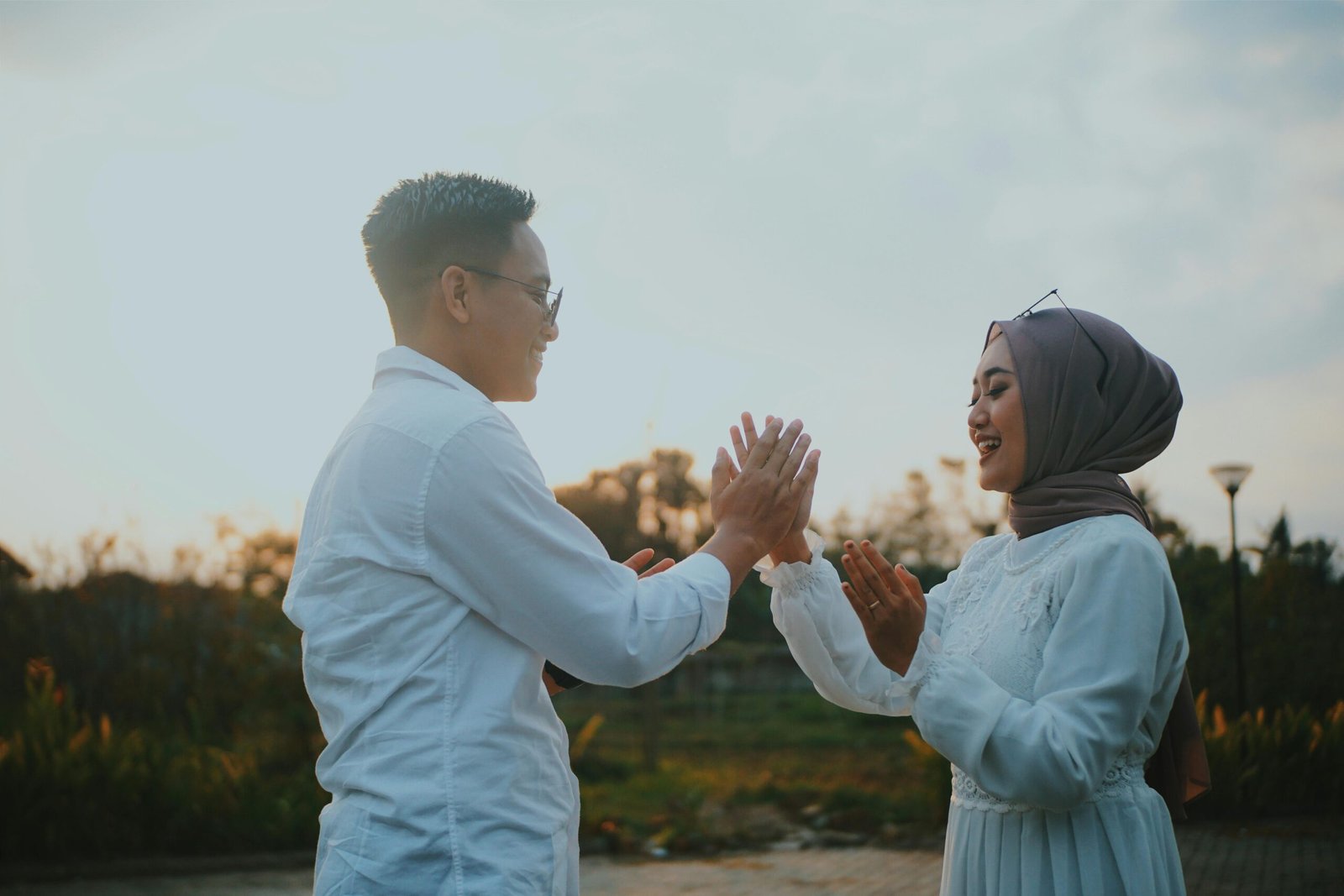
Free, willing consent from both the bride and groom is an absolute requirement for a valid nikah. Forced marriages are not only invalid under Islamic law — they are sinful.
The Prophet Muhammad ﷺ demonstrated this clearly. In one narration recorded in Sahih al-Bukhari 6969, a woman came to him complaining that her father had married her off without her consent. The Prophet ﷺ gave her the choice to annul the marriage, establishing a clear precedent against coercion in Islamic marriage.
Consent must be informed. Both parties should understand:
- Each other’s religious practice and values
- Expectations about family life, children, and roles
- Career demands and work patterns
- Health considerations and lifestyle preferences
- Financial situations and plans
For healthcare professionals specifically, this means being honest about long shifts, on-call requirements, and career trajectories. A couple where one partner does not understand the demands of medical training will face unnecessary conflict later.
Healthy Nikah’s matching and profile system is designed for this kind of serious, informed consent — not casual chatting that drags on for years without clarity.
Role of the Wali (Guardian) during the Nikah
The wali is the Islamic guardian — typically the bride’s father or closest male relative — who represents and protects her interests throughout the marriage process.
Scholarly positions on wali
- Majority view (Shafi’i, Maliki, Hanbali): A wali is a condition for a valid nikah
- Hanafi school: Adult women can technically contract their own marriage, but wali involvement remains highly recommended
The wali’s role is supportive, not controlling. He should:
- Assess the groom’s deen (religious commitment) and character
- Verify the groom’s ability to fulfil marital responsibilities
- Ensure the mahr and conditions are fair
- Support and advise the bride without imposing decisions
What about special circumstances?
- Widows and divorcees: May have more autonomy, but wali involvement is still valued
- Converts with non-Muslim families: An imam or respected Muslim man can serve as wali
- Absent or abusive walis: Islamic centres and scholars can appoint an appropriate guardian
For a detailed scholarly perspective on wali requirements, see What is a Wali in Islam?
Healthy Nikah builds wali involvement directly into the process. Upon a mutual match, wali contact details are automatically shared — keeping families involved from the very first connection, without any awkward conversations.
Witnesses and Public Announcement during Nikah
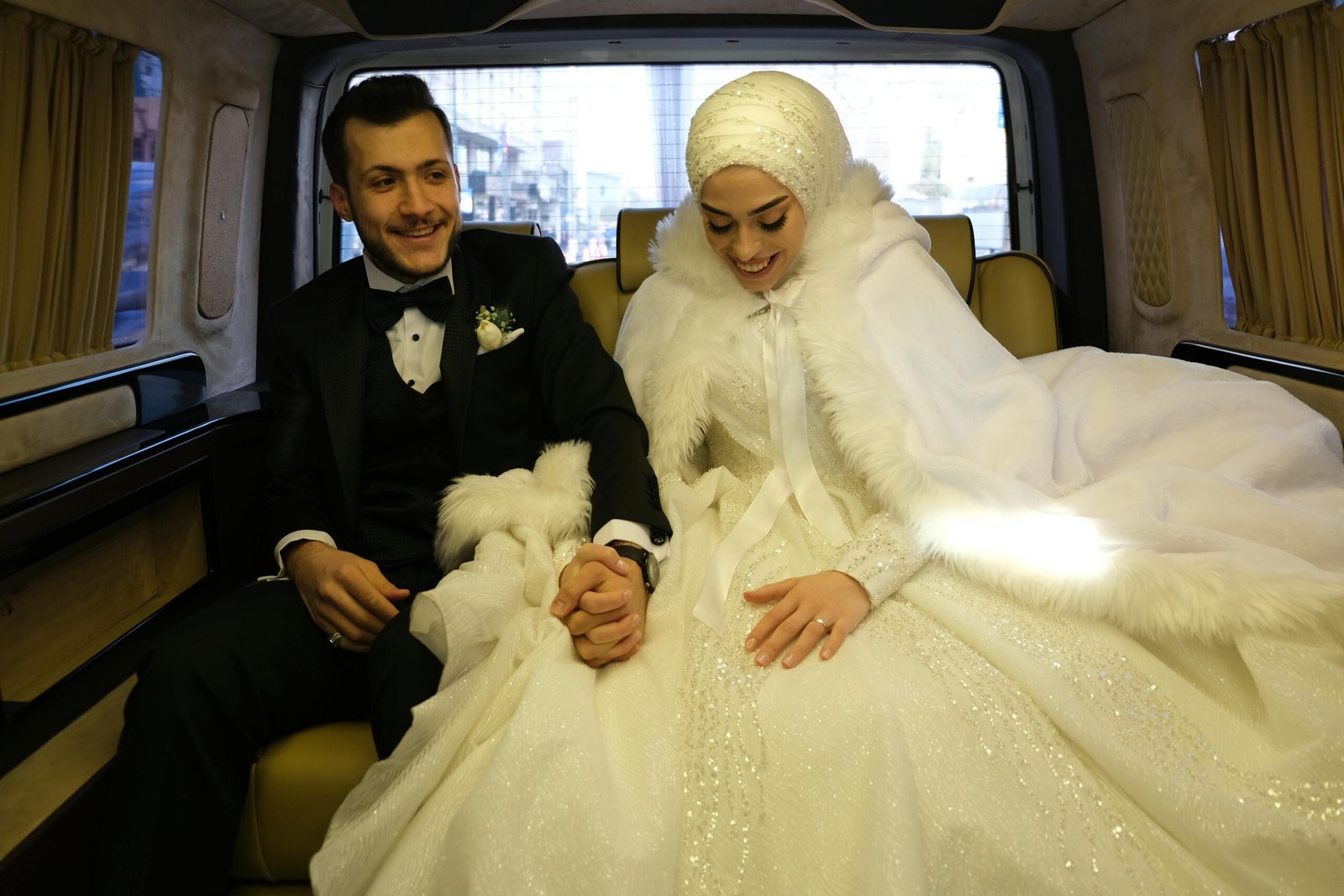
At minimum, two witnesses are required for a valid nikah according to the majority of scholars. These must be adult, sane Muslims — traditionally two male witnesses, though some scholars accept one man and two women based on general principles of testimony.
Why witnesses matter:
- Ensures transparency and prevents secret relationships
- Protects the rights of both parties
- Prevents future disputes over lineage or responsibilities
- Establishes the marriage as public knowledge
While two witnesses fulfil the legal contract requirement, Islam encourages public announcement (ish-haar). This often takes the form of a walimah — the marriage feast that celebrates the union with family and the Muslim community. The Walima is a wedding banquet hosted by the groom’s family to publicly announce the marriage, and is similar to a wedding reception in Western traditions.
Practical considerations:
- Witnesses can be family members, friends, or respected community figures
- They should understand what they are witnessing (the actual ceremony and contract)
- Digital attendance via video call is an emerging scholarly discussion, especially post-pandemic
- Documentation should be maintained for the nikah certificate
The Mahr (Obligatory Gift) in Nikah
The mahr is the obligatory gift from the groom to the bride, and it becomes her exclusive property. This is her right — not a “price tag” or payment to her family.
Key points about mahr:
- Can be money, gold, jewellery, property, or anything of agreed value
- The Prophet ﷺ mentioned teaching Quran as valid mahr in certain circumstances (Sahih al-Bukhari 5141)
- Must be reasonable relative to the groom’s financial capacity
- Goes directly to the bride (unlike pre-Islamic custom where it went to her family)
- Can be split into immediate (mu’ajjal) and deferred (mu’akhkhar) portions
Common misunderstandings to avoid:
| Misconception | Reality |
|---|---|
| Mahr is a bride price | Mahr is a gift and right, not a purchase |
| Higher mahr = better marriage | Excessive mahr can delay or prevent good marriages |
| Symbolic mahr is always fine | Mahr should have meaningful value, not be merely token |
| Mahr is negotiable after the nikah | Mahr should be agreed upon before the ceremony |
For Muslim professionals dealing with student debt, medical training costs, and UK living expenses, balanced expectations around mahr are essential. Have honest conversations early, involve families appropriately, and agree on terms that reflect both Islamic principles and practical reality.
How the Nikah Ceremony Is Performed (Step by Step)
The nikah ceremony itself is often simpler than many expect. Whether performed in a mosque, community hall, home, or even a hospital chapel for healthcare workers with scheduling constraints, the core elements remain consistent.
The ceremony includes Quranic recitations, consent from both parties, signing of the marriage contract with the mahr confirmed, and prayers for the couple’s happiness. Cultural variations influence the ceremony’s size and formality, ranging from simple gatherings to elaborate celebrations. In the Middle East, the nikkah ceremony is often simpler and involves only close relatives, reflecting regional customs.
Typical sequence of a Sunni nikah ceremony
- Gathering: Bride (or her wali), groom, witnesses, and officiant (often an imam) assemble
- Khutbat al-Hajah: A brief sermon delivered by an imam or scholar, including praise of Allah and Quranic recitation
- Explanation of rights: The imam outlines the responsibilities of husband and wife
- Mahr confirmation: The agreed-upon mahr is stated publicly
- Ijab (offer): The wali or bride’s representative offers the bride in marriage to the other party
- Qubul (acceptance): The other party, typically the groom, accepts, traditionally saying Qabiltu (I accept) — stated three times
- Contract signing: The nikah nama (Islamic marriage contract) is signed by both parties
- Dua: Prayers are offered asking Allah to bless the union
- Announcement: The marriage is declared complete
Upon completion of the ceremony, the nikah marks the point at which a sexual relationship becomes lawful between the spouses according to Islamic law.
Practical notes:
- The ceremony is generally short, lasting between 20 to 40 minutes
- Cultural traditions may be incorporated, but the essential Islamic requirements remain the same
- The walimah (wedding feast) may follow immediately or be scheduled separately
- Modest dress is expected; segregation arrangements vary by family preference
- Photos should maintain hayaa — avoid poses or settings that compromise modesty
Islamic Requirements vs Cultural Traditions
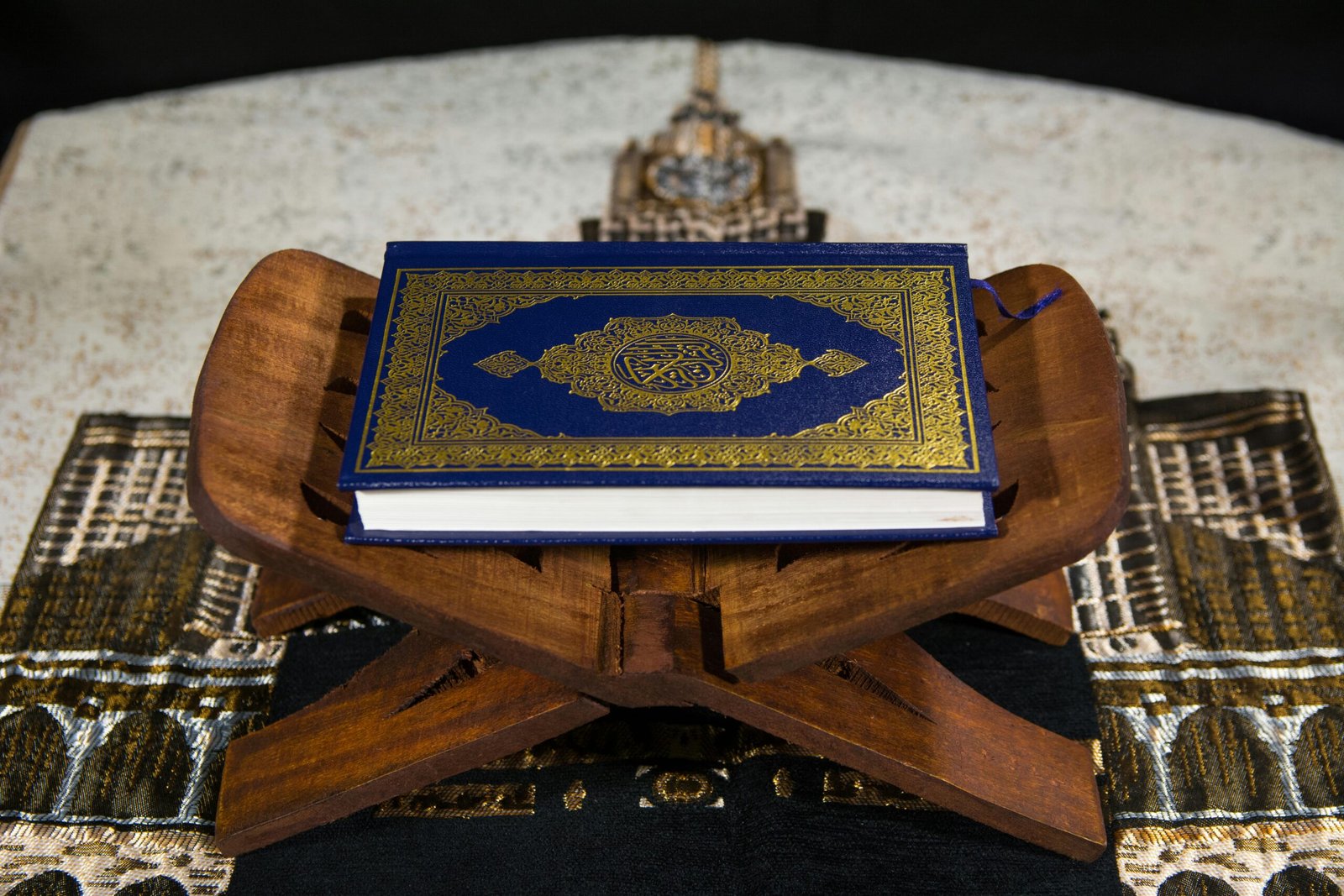
It is essential to distinguish between what is Islamically required (fard/wajib) and what is cultural tradition layered on top of the nikah.
What is required:
- Free consent of both parties
- Wali involvement (according to majority view)
- Two witnesses
- Specified mahr
- Public announcement/awareness
What is cultural (permissible but not required):
- Ring exchange (common in western countries, not from Islamic tradition)
- Bridal procession or grand entrances
- Mehndi (henna) ceremonies
- Specific colours, songs, or decorations
- Multi-day wedding events
Guidelines for a halal wedding day:
- Keep the nikah itself simple and Shariah-compliant
- Include halal cultural expressions that your families value
- Avoid free-mixing that compromises modesty
- No alcohol or intoxicants
- Avoid music/entertainment that crosses Islamic boundaries
The Islamic Wedding: Celebrations and Customs Explained
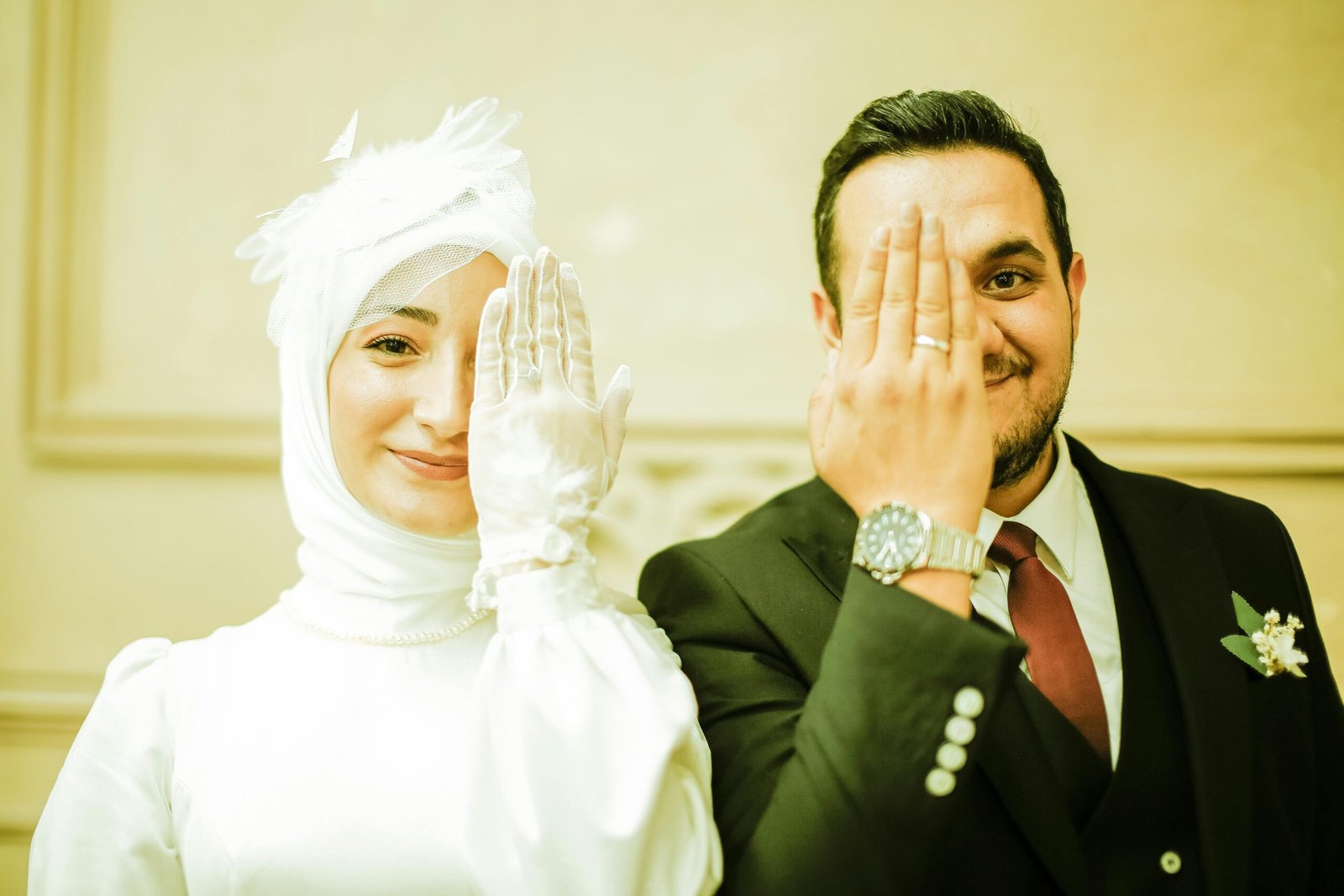
The Islamic wedding, centred around the nikah ceremony, is a profound milestone in the life of a Muslim couple. More than just a legal formality, it is a sacred covenant that unites the bride and groom in a bond of mutual respect, love, and shared purpose. Rooted in Islamic law and tradition, the wedding ceremony is both a spiritual event and a joyful celebration, marking the official beginning of married life.
In Islamic tradition, the wedding ceremony is intentionally simple and dignified, focusing on the essential elements that make the marriage contract valid and meaningful. The nikah is typically held in a mosque, community centre, or family home, attended by close relatives, friends, and respected members of the Muslim community. The bride is often represented by her father or guardian, ensuring her interests are protected in accordance with Islamic family law.
The ceremony begins with the recitation of verses from the Quran, setting a spiritual tone and reminding all present of the significance of marriage in Islam. An officiant, often an imam, delivers a brief sermon drawing on the teachings of the Prophet Muhammad ﷺ about the virtues of marriage and family life. The bride and groom then give their free and informed consent, witnessed by two adult Muslim witnesses.
A central part of the ceremony is the signing of the marriage contract, which outlines the rights and responsibilities of both parties. The groom presents the mahr as a symbol of his commitment and respect. With these essential elements fulfilled, the officiant offers prayers asking that Allah bless the union and grant the couple happiness and tranquility.
In many communities, the nikah is followed by a walimah — the wedding feast. The walimah is a Sunnah of the Prophet ﷺ and serves to publicly announce the marriage, strengthen social bonds, and share joy with others. Even in western countries, Muslim couples often host a walimah, sometimes combining the nikah with a civil ceremony to ensure full legal recognition.
Nikah and Civil Marriage Law in the UK
Here is something every Muslim in the UK must understand: in England and Wales, a nikah ceremony is not legally recognised as a valid marriage unless it is accompanied by a civil marriage. Unless your Islamic marriage ceremony is performed in a registered venue with a licensed registrar present, you are not officially married under UK law.
For authoritative guidance, visit GOV.UK— Getting Married. Under Sharia Law, a nikah is considered a valid religious marriage, but this does not grant it legal status under English law.
Many Muslim couples in the UK believe their nikah is legally binding, but without civil registration they are considered cohabitees under English law, not spouses. This distinction is crucial for legal rights and protections.
The legal implications of a nikah without a civil marriage can leave women particularly vulnerable in cases of divorce, as they may lack financial security or rights to property and support. The case of Akhter v Khan highlighted that an Islamic marriage ceremony without a civil ceremony is not recognized as valid under English law.
What civil marriage protects:
- Property rights and division of assets
- Inheritance without needing additional wills
- Tax benefits for married couples
- Immigration and visa sponsorship rights
- Child custody arrangements
- Financial support claims if the marriage ends
- Next-of-kin status for medical decisions
The reality for UK Muslims:
Many Muslim women discover — sometimes too late — that their nikah provides no legal protection if the relationship ends. Without civil registration, there is no legal marriage in the eyes of the state, regardless of how valid the nikah is Islamically. Sharia Councils in the UK can assist with religious divorce procedures, but their decisions are not legally binding under civil law and do not override English family law.
The solution is straightforward: complete both a nikah (for Shariah validity) and a civil ceremony or civil partnership registration (for legal protection). Many couples do both on the same wedding day; others complete civil registration shortly before or after the religious ceremony.
Note: Practices like polygyny, while discussed in classical fiqh, are not recognised under UK law and can create serious legal complications. Seek knowledgeable scholarly and legal advice for complex situations.
Why Both Nikah and Civil Registration Matter
This is not about choosing between Islamic and secular systems — it is about protecting yourself and your family within both.
Who especially needs civil registration:
- Muslim women (historically most vulnerable without legal protection)
- Converts whose families may not understand Islamic inheritance rules
- Those with significant income, assets, or pensions
- Anyone planning to sponsor a spouse for immigration
- Parents wanting clear custody rights
| Protection | Without Civil Marriage | With Civil Marriage |
|---|---|---|
| Divorce financial settlement | None guaranteed | Legal entitlement |
| Pension rights | No spousal claim | Protected |
| Next-of-kin status | Not automatic | Automatic |
| Immigration sponsorship | Limited options | Full rights |
| Inheritance | Requires specific will | Automatic share |
Having a civil marriage does not replace the nikah from an Islamic perspective. You still need a valid nikah for the relationship to be halal. But ignoring civil registration leaves you legally vulnerable in a non-Muslim country.
Recommended sequence:
- Civil ceremony and nikah on the same day (most common approach)
- Or civil registration shortly after the nikah (avoid long delays)
- Consult with both your imam and a family lawyer for your specific situation
Rights and Responsibilities Within Nikah
The nikah establishes a comprehensive framework of rights and duties for both husband and wife. Understanding these helps couples enter marriage with realistic expectations.
Responsibilities of the Muslim Man
Within Islamic law and tradition, the Muslim man carries significant responsibilities as a husband. He is entrusted with providing financial support for his wife and family, ensuring that their basic needs—such as housing, food, and clothing—are met. This obligation is not just material; it is a core part of fulfilling his role in family life according to Islamic teachings.
Beyond financial support, the Muslim man is expected to treat his wife with kindness, respect, and compassion. He should be a source of emotional stability and a positive role model, guiding his family with wisdom and integrity. Leadership in the household does not mean authoritarian control, but rather a commitment to justice, consultation, and shared decision-making in line with Islamic values.
A Muslim husband is also responsible for supporting his wife’s spiritual growth, encouraging her to practice her faith freely and providing an environment where Islamic teachings can flourish. Loyalty, honesty, and faithfulness are essential qualities, as is the avoidance of any behavior that could harm or betray his wife’s trust.
Ultimately, the role of the Muslim man in marriage is to be a caring, responsible, and supportive partner. By upholding these responsibilities, he helps to build a harmonious and loving family life, fulfilling the vision of marriage in Islam as a partnership rooted in mercy, respect, and mutual support.
The husband’s core duties:
- Provide financial support (nafaqah) — housing, food, clothing, medical care
- Fulfil the obligation of mahr as agreed
- Treat his wife with kindness and good character
- Protect and honour her dignity
- Consult her in family decisions (shura)
- Maintain her family ties and relationships
- Fulfil intimate rights with respect and care
- If polygyny is practised, ensure justice and equal treatment among wives, as required by Quran 4:3
Responsibilities of the Muslim Woman
Within Islamic law and tradition, the Muslim woman holds a position of profound dignity and meaningful responsibility in marriage. The Quran makes clear that rights and obligations are mutual:
"And women shall have rights similar to the rights against them, according to what is equitable" (Quran 2:228).
Her responsibilities are not burdens imposed upon her — they are a framework through which she fulfils her role before Allah and builds a stable, loving family.
One of the Muslim wife’s primary responsibilities is the care and guardianship of the home. The Prophet Muhammad ﷺ said:
“The woman is the guardian of her husband’s house and is responsible for it.” (Sahih al-Bukhari 5200).
This does not confine her to a domestic role only — Islam does not prohibit women from working or pursuing a career — but it recognises that her stewardship of the household is an act of worship in itself. Managing the home wisely, spending family resources with sound judgement, and nurturing an environment where children can grow with Islamic values are responsibilities that carry real spiritual weight.
The Quran describes righteous wives as those who are “devoutly obedient, guarding in the husband’s absence what Allah would have them guard” (Quran 4:34). Scholars are careful to clarify that this obedience is not unconditional submission — it is a cooperative commitment within the bounds of what is lawful. As recorded in Sahih al-Bukhari:
"There is no obedience to a human being in a matter which involves disobedience to Allah."
A wife is never obligated to comply with anything sinful, harmful, or unjust. Ibn Nujaym, the classical Hanafi jurist, further clarifies that a wife’s duty of cooperation applies specifically to matters of the marital relationship — not to every instruction a husband may issue. This is a partnership built on mutual respect, not hierarchy.
Loyalty, faithfulness, and the protection of her husband’s honour and privacy are central to a Muslim wife’s character. She guards the trust of the marriage — in her personal conduct, in how she represents her husband and family to others, and in how she handles the private matters of the home.
Beyond this, the Muslim wife plays a vital role in the spiritual atmosphere of the family. She is, as the classical scholars described, the first school of the next generation — her influence on the character and faith of her children is immeasurable.
Ultimately, the Muslim woman in marriage is called to be a source of tranquility, a keeper of trust, and a partner in building a home rooted in taqwa — fulfilling the Quranic vision of marriage as a bond of “affection and mercy” (Quran 30:21).
The wife’s core duties:
- Preserve the marital home and family honour
- Show loyalty and respect to her husband
- Protect his property and privacy in his absence
- Cooperate in raising children upon Islamic principles
- Be a source of comfort and tranquility
Mutual responsibilities
- Kindness (ihsan) and mercy (rahmah) toward each other
- Consultation (shura) in major decisions
- Emotional and spiritual support
- Patience during difficulties
- Encouraging each other in worship and good deeds
- A sexual relationship is considered a lawful and significant aspect of marriage in Islamic law, defining lawful intimacy between spouses and forming an important part of their mutual rights and responsibilities.
Modern realities for professionals:
- Dual-income households: Many couples agree that both will work; financial arrangements should be discussed openly
- Female doctors and nurses: A Muslim man marrying a professional registered with the NMC or GMC should expect demanding schedules and on-call commitments
- Shared domestic responsibilities: The Prophet ﷺ helped with household tasks; this is Sunnah, not weakness
- Work-life balance: Discuss on-call schedules, night shifts, and burnout — the BMA provides guidance on doctor wellbeing that is relevant here
- Career support: Spouses should actively support each other’s professional development
If you are a Muslim doctor, nurse, or pharmacist navigating the challenge of finding time for marriage, read our dedicated guide for Muslim healthcare professionals seeking a Shariah-compliant marriage — covering exactly how Healthy Nikah fits your schedule and your deen.
Protecting Modesty (Hayaa) and Boundaries Before and After Nikah
Islam sets clear guidelines for interaction between prospective spouses before the nikah is complete.
Before nikah:
- No khalwa (private seclusion) between unmarried individuals
- Communication should be purposeful and modest
- Wali should be aware of ongoing discussions
- Physical contact is not permitted
- Meetings should occur in appropriate settings
After nikah:
Once the nikah ceremony is complete and the marriage contract is signed, the couple becomes fully lawful to each other. However, modesty and dignity still frame the relationship:
- Intimate life is private, not for public display
- Respect for each other’s boundaries continues
- Modesty in dress and behaviour outside the home
- Appropriate boundaries with colleagues and friends
How Healthy Nikah’s design reflects these principles:
- Blurred profile photos reduce superficial judgements and protect hayaa
- No in-app messaging prevents casual, directionless chatting
- Upon a mutual match, wali contact details are automatically shared — keeping families involved from the very first connection
- Profiles are self-declared; the community is built on sincere intention and trust
For a step-by-step breakdown of the correct process from first interest to nikah, see our complete guide on how to find a partner in Islam the halal way.
Practical discussions for couples:
- Social media use and what is appropriate to share
- Boundaries at work events and conferences
- Interactions with opposite-gender colleagues (especially relevant in clinical environments)
- How to handle old friendships that may need adjustment after marriage
Common Misconceptions About Nikah
“Nikah is just a formality; engagement is enough.”
False. Engagement creates no halal relationship. Until the nikah ceremony is complete with all conditions met, the couple remains non-mahram to each other.
“Forced marriage is allowed in Islam.”
Absolutely false. The Prophet ﷺ explicitly annulled forced marriages (Sahih al-Bukhari 6969). Both parties must give free consent for a valid nikah.
“Mahr is basically buying the bride.”
Wrong. Mahr is a gift and a right that belongs exclusively to the bride, symbolising the groom’s commitment and respect.
“You do not need a wali or witnesses if both parties agree.”
Incorrect according to most schools. These requirements protect against secret relationships and ensure proper Islamic process.
“Talking online for years is fine as long as you intend marriage.”
Not advisable. Extended private communication without clear progress toward nikah can lead to emotional attachment, haram interactions, and wasted time. Scholars hold nuanced positions on this — explore the full evidence-backed discussion on whether Muslim dating apps are halal or haram before making a decision.
“Dating apps are fine if you are looking for marriage.”
Depends entirely on the platform. Casual dating apps encourage haram behaviour. Shariah-compliant matrimony platforms like Healthy Nikah structure the process with wali involvement and serious intent.
“Arranged marriage means forced marriage.”
No. Arranged marriages where families introduce compatible individuals are permissible and common. Forced marriages where consent is absent are haram.
“Divorce is not allowed in Islam.”
Incorrect. Divorce is permitted in Islam if the marriage fails, with specific procedures in place. One important requirement is the waiting period (iddah) that a woman must observe after divorce or her husband’s death before she can remarry. This waiting period serves purposes such as establishing paternity, allowing for mourning, and addressing social considerations within Islamic law.
Learning correct fiqh empowers you to seek marriage confidently. Do not be paralysed by cultural extremes or overly lax modern practices — follow the balanced path of Islamic teaching.
Preparing for Nikah as a Modern Muslim Professional

Ready to move toward nikah? Here is how to prepare practically and spiritually.
Spiritual preparation:
- Strengthen your iman through consistent worship
- Make istikhara (guidance prayer) sincerely
- Purify your intentions — seek marriage for the sake of Allah
- Learn the fiqh of marriage from reliable scholars
- Seek forgiveness for past mistakes and start fresh
Practical preparation — marriage readiness checklist:
- Financial stability (can you support a household or contribute fairly?)
- Living arrangements (where will you live after nikah?)
- Career trajectory (are you in a stable position or still in training?)
- Mental and emotional health (have you addressed past issues?)
- Expectations about children and timing
- Understanding of work hours and their impact on family life
- Family involvement and wali identification
Many doctors, nurses, pharmacists, and other NHS healthcare professionals struggle with traditional matrimony approaches. You do not have time for endless rishta visits that go nowhere, apps full of people not serious about marriage, months of vague chatting without progress, or profiles that turn out to be misrepresented.
Invest in marital education:
- Attend premarital counselling sessions
- Take a fiqh of marriage course (many available online)
- Learn communication and conflict resolution skills
- Read books on Islamic marriage by reputable scholars
How Healthy Nikah Supports a Shariah-Compliant Path to Nikah
Healthy Nikah is not a dating app. It is a Shariah-compliant Muslim matrimony app — built specifically for serious marriage seekers, especially healthcare professionals and those who want to marry them.
How features align with Islamic principles:
| Feature | Shariah Principle |
|---|---|
| Wali details shared immediately upon mutual match | Family involvement from the very first connection |
| Blurred profile photos | Protects hayaa, reduces superficial judgements |
| Self-declared profiles | Built on sincere intention and community trust |
| No in-app messaging | Stops casual chatting and time-wasting |
| Match credits system | Encourages intentional, thoughtful requests |
| Healthcare professional filters | Find someone who understands your schedule |
Real timelines from the Healthy Nikah community:
- Average time to first in-person meeting: 7–9 weeks
- Average time from matching to nikah: approximately 4 months
This is not endless browsing or years of getting to know each other with no commitment. It is a focused, halal journey with clear milestones.
Who Healthy Nikah serves:
- Doctors, nurses, pharmacists, dentists, and other healthcare workers
- Muslims who want to marry healthcare professionals
- Anyone serious about Shariah-compliant, family-approved marriage
Pricing at launch:
| Item | Price |
|---|---|
| Joining package (one-time) — includes 10 credits | £40 |
| Monthly membership — includes 3 credits/month | £10/month |
| Top-up: 3 credits | £12 |
| Top-up: 10 credits | £30 |
| Unlimited credits | £99 |
Ready to be among the first?
Register your interest on Healthy Nikah and be among the first to match when we launch.
FAQs About Nikah in Islam
What is nikah in Islam?
Nikah is the Islamic marriage contract and ceremony that makes a relationship halal between a Muslim man and woman. It requires free consent, witnesses, mahr, and typically wali involvement.
Is nikah valid without a wali?
According to the majority of scholars (Shafi’i, Maliki, Hanbali), a wali is required for validity. The Hanafi school allows adult women to contract their own marriage, but wali involvement remains strongly recommended.
Can you do nikah online or over a video call?
Scholars have differing opinions. Some permit it in genuine necessity (distance, illness, travel restrictions) with proper witnesses; others require physical presence. Consult a knowledgeable scholar for your situation.
What is the minimum mahr?
There is no fixed minimum, but mahr must have real value. The Prophet ﷺ encouraged reasonable, affordable mahr (Sahih al-Bukhari 5141). Excessive mahr that delays marriage is discouraged.
Do I need a nikah and civil marriage in the UK?
Yes, for full protection. A nikah makes your marriage valid Islamically; civil registration provides legal rights for property, inheritance, custody, and financial support under UK law.
How long can an engagement last before nikah?
There is no fixed limit, but prolonged engagements without nikah can lead to inappropriate attachment or haram interactions. If you are compatible, do not delay unnecessarily.
What happens if we cannot find two male witnesses?
Most schools require two adult Muslim male witnesses. Some scholars accept one man and two women. Discuss with your imam to ensure your nikah ceremony meets valid requirements.
Can a Muslim marry a Christian or Jewish person in nikah?
A Muslim man can marry a chaste Christian or Jewish woman (Ahlul Kitab) according to most scholars. A Muslim woman cannot marry a non-Muslim man under Islamic family law.
Is it halal to use a Muslim matrimony app for nikah?
It depends on the app. Casual dating apps encourage haram behaviour. Shariah-compliant platforms like Healthy Nikah — with wali involvement and modesty protections — support a halal path to nikah.
Can close relatives attend as witnesses?
Yes, relatives can serve as witnesses, as long as they are adult, sane Muslims who understand they are witnessing a legally binding marriage contract.
Can a man marry two sisters at the same time in Islam?
No. Islamic law strictly prohibits a man from being married to two sisters simultaneously, as stated in Quran 4:23. This is meant to preserve family boundaries and harmony.
Conclusion: Walking Towards Nikah With Clarity and Taqwa
Nikah is both a sacred covenant and a practical contract. Understanding its conditions — consent, wali, witnesses, mahr — empowers you to pursue marriage with confidence and taqwa. Just as the introduction asked “what is nikah?”, you now have the full answer: a divinely guided framework that protects both spouses and strengthens the ummah.
Key takeaways:
- Nikah is the Islamic marriage that makes a relationship halal
- It requires specific conditions that protect both bride and groom
- In the UK, you need both nikah and civil registration for complete protection
- Modern Muslim professionals can achieve Shariah-compliant marriage by combining sound knowledge, family involvement, and trustworthy tools
Your next steps:
- Make dua for a righteous spouse and place your trust in Allah
- Discuss your marriage plans with your wali and family
- Learn the fiqh of marriage from reliable sources such as SeekersGuidance
- Take practical steps rather than postponing indefinitely due to career pressures
Register on Healthy Nikah today and be among the first to join when we launch — a Shariah-compliant platform with immediate wali involvement, modesty-first design, and a community of serious marriage seekers who understand your life as a healthcare professional.
May Allah bless your search and grant you a spouse who brings you closer to Him. The path to nikah begins with a single step — take it with clarity, purpose, and trust in the One who brings hearts together.