Skip to main content Skip to footer
Introduction
A wali in Islam is the bride’s legal guardian who must consent to and oversee her Islamic marriage contract according to Shariah law. A wali in Islam is the bride’s lawful guardian responsible for her life prior to marriage. The ‘bride’s wali’ specifically refers to the male guardian — usually her closest Muslim male relative — who has the authority to give consent or act on behalf of the bride in the marriage process. The term wali derives from the Arabic root meaning “protector,” “guardian,” or “ally,” and this person plays a vital role in ensuring the nikah (marriage ceremony) meets all Islamic requirements while protecting the bride’s interests throughout the marriage process.
The Quran describes believing men and women as awliya (protectors/allies) of one another, highlighting the mutual support expected in the Muslim community.
Allah reminds us in Surah Ar-Rum (30:21):
“Wa min āyātihi an khalaqa lakum min anfusikum azwājan litaskunū ilayhā wa ja’ala baynakum mawaddatan wa raḥmah” — “And of His signs is that He created for you from yourselves mates that you may find tranquillity in them; and He placed between you affection and mercy.”
The wali system is designed to protect this sacred covenant from the very beginning.
The legal and spiritual basis for the wali system is drawn from both the Quran and hadith, with authentic hadith emphasizing the necessity of a wali for a valid Islamic marriage. Additionally, the concept of guardianship of women in Islam is often interpreted from Quranic verses.
This guide focuses specifically on the wali’s role in nikah rather than other forms of Islamic guardianship in Islam. Whether you’re a practicing Muslim seeking halal marriage, a healthcare professional navigating demanding schedules while pursuing matrimony, or a family member involved in the marriage journey, understanding the wali system is essential for completing a valid Islamic marriage contract.
The direct answer: A woman’s wali is her closest Muslim male relative — typically her father — who holds authority to approve her marriage, verify the groom’s character and Islamic practice, and represent her interests during the nikah contract.
By the end of this guide, you will understand:
- The Islamic requirements for a valid wali and why this system exists
- The complete hierarchy of guardians from the bride’s father through extended relatives
- The wisdom behind wali involvement in protecting women’s rights
- Practical guidance for modern Muslims, including those without available family guardians
- How platforms like Healthy Nikah facilitate wali participation through technology
Table of Contents
Understanding the Concept of Wali in Islamic Law
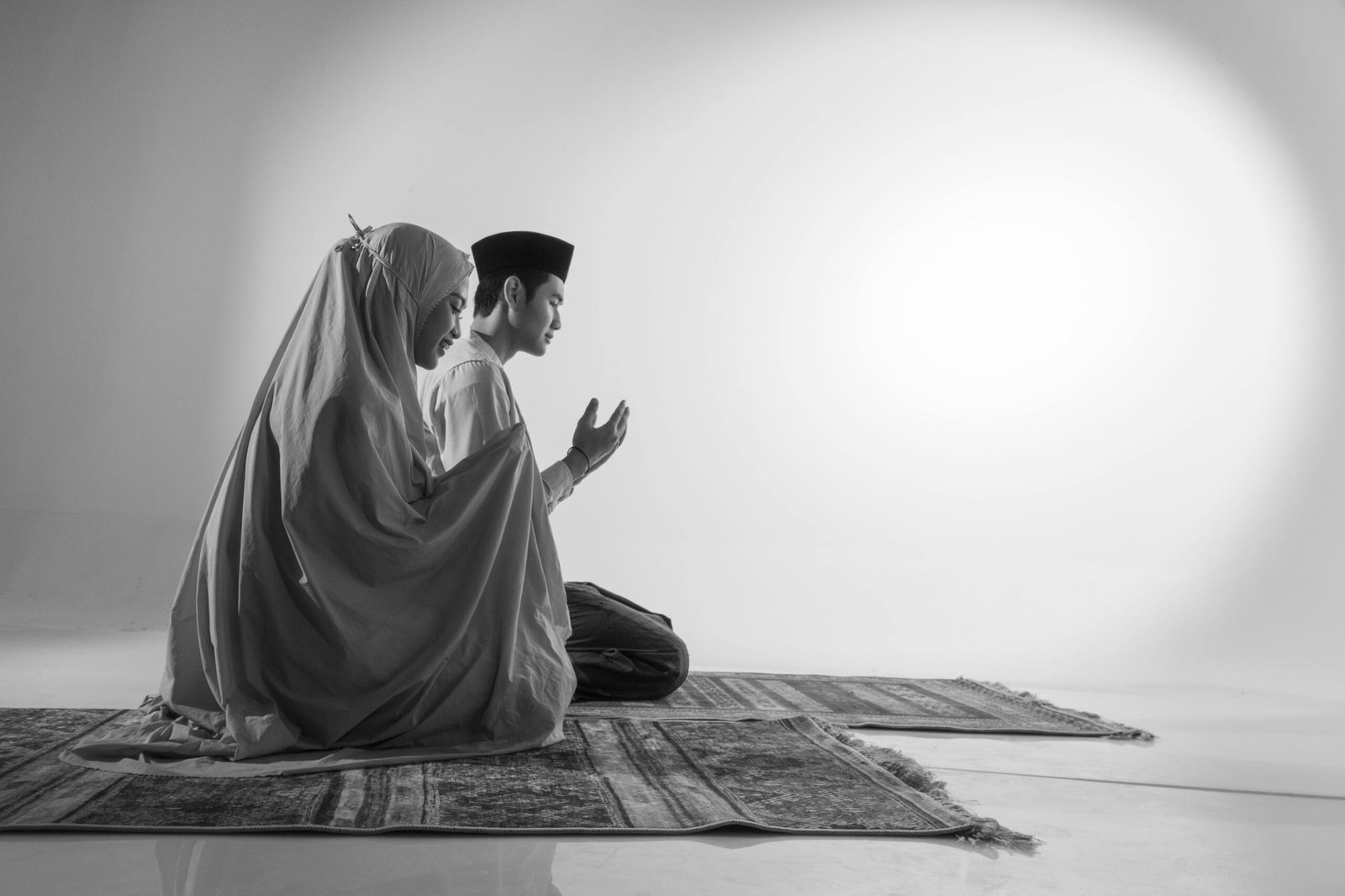
The word wali appears over 200 times in the Quran in various forms, establishing guardianship as a fundamental concept in Islamic jurisprudence. Linguistically, it translates to “protector,” “guardian,” “supporter,” or “ally.” In Surah Al-Ma’idah (5:55), Allah states:
"Innamā waliyyukumu Allāhu wa rasūluhu wa alladhīna āmanū" — "Only Allah is your Wali, His Messenger, and those who believe."
This verse establishes that guardianship flows from Allah through appointed human representatives.
Al-Wali is also one of Allah’s 99 names, signifying Him as the ultimate Guardian who sustains and protects all creation. When applied to human relationships, the term wali describes a person appointed by Shariah to protect another’s interests in specific legal matters — particularly marriage.
In Sufism, a wali is considered a holy man or saint who has attained spiritual closeness to God. These saints are believed to have special divine favour and are often thought to possess spiritual gifts such as wisdom and miraculous abilities.
Wali in Marriage Context
In marriage matters, the bride’s wali — also known as the woman’s wali — serves as her authorised representative in the nikah contract. The woman’s wali is the guardian specifically responsible for representing her in marriage matters, and there is a hierarchical order in Islamic law for who can serve as her wali — starting with her father, then other male relatives.
If no such person is available, meaning there is no eligible close male relative, the Muslim leader or judge may serve as the wali. The wali’s role as a protective and guiding figure includes acting as an intermediary during marriage negotiations and being present during interactions between potential spouses to ensure Islamic guidelines are followed and to provide protection.
This specific role differs from general guardianship concepts like parental authority over minor children or financial guardianship over dependents. The wali’s role in marriage is limited to the nikah process itself, including overseeing negotiations and arrangements to ensure protection and adherence to Islamic guidelines.
The Prophet Muhammad ﷺ established this requirement clearly. As recorded in Sunan Abi Dawud (2085) and authenticated by Islamic scholars, he stated:
“Lā nikāḥa illā bi-waliyy” — “There is no marriage except with a guardian.” (Narrated by Abu Musa al-Ash’ari; classed as sahih by al-Albani.)
Al-Tirmidhi also records similar narrations emphasising that any nikah conducted without the wali’s consent lacks validity. A further narration preserved in Sunan Abi Dawud (2083) states:
“Ayyumā imra’atin nakaḥat bi-ghayri idhni waliyyihā fa-nikāḥuhā bāṭil, bāṭil, bāṭil” — “Any woman who marries without the permission of her wali, her marriage is invalid, invalid, invalid.”
The wali must be present during all conversations with potential spouses to ensure proper guardianship and compliance with Islamic principles.
This guardianship serves protective purposes: ensuring the bride enters marriage with proper family support, verifying the groom’s suitability, and preventing hasty or exploitative unions that could harm vulnerable women. The wali’s role also includes signing the marriage certificate during the solemnization, which is a required step in the nikah ceremony.
Different Schools of Islamic Thought
Islamic scholars across the major schools have examined wali requirements extensively, arriving at slightly different conclusions. The bride’s wali, specifically, is the male guardian whose consent is required (or not) for the marriage contract, depending on the school of thought. The authority and hierarchy of the bride’s wali — such as whether the father, grandfather, or another male relative serves as guardian — may also vary between Islamic legal traditions:
- Majority Position (Maliki, Shafi’i, Hanbali): These schools unanimously require the wali’s consent for a valid marriage contract. A nikah conducted without proper guardian approval is considered fasid (irregular) and may be revoked. The wali must meet specified conditions, such as being a Muslim of sane mind and having attained the age of puberty.
- Hanafi Position: This school allows an adult woman of sound mind to contract her marriage on her own behalf without a wali, provided specified conditions are met — such as the marriage being to a suitable equal (kuf’ in religious practice, lineage, and social standing). However, many contemporary Hanafi scholars still recommend wali involvement for protection and blessings.
- Practical Implications: For Muslims in the UK and globally, the majority opinion provides the safest approach. Even where Hanafi flexibility might apply, family involvement through a wali protects against poor decisions made under emotional pressure and aligns with prophetic guidance.
Understanding these scholarly differences helps modern Muslims navigate situations where family circumstances vary while maintaining Shariah compliance. For a detailed fatwa on the conditions a wali must meet, see Conditions of a Valid Wali.
Woman’s Wali in Islamic Law
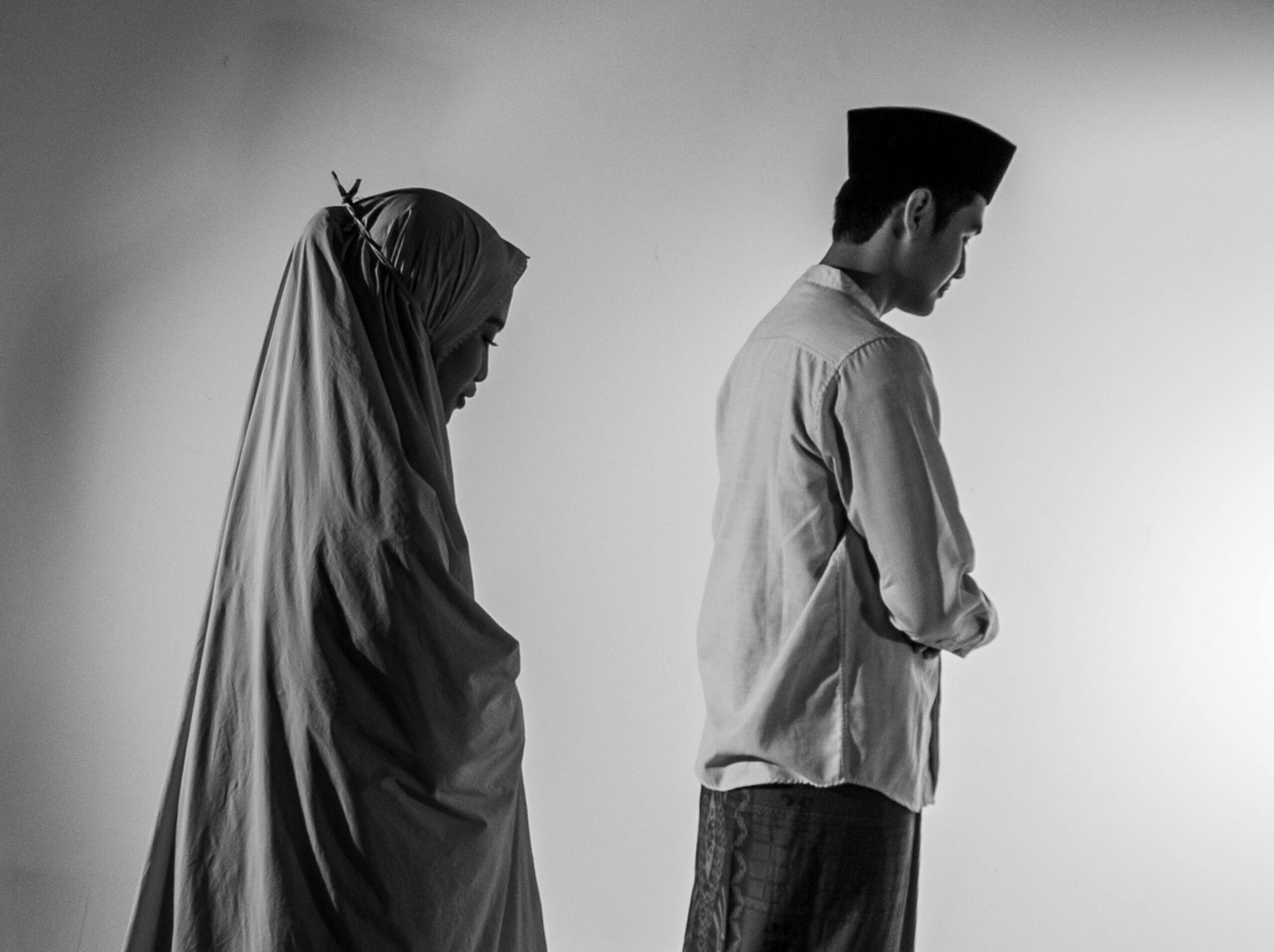
In Sunni Islam, the role of a woman’s wali — her legal guardian — is a cornerstone of the marriage process. The woman’s wali is always a male relative from the paternal side, such as her father, brother, then her father’s brother (paternal uncle), or other close male kin, who is entrusted with safeguarding her interests and ensuring that the marriage is conducted in accordance with Islamic guidelines.
The primary purpose of appointing a wali is to provide the bride with a trusted advocate who can oversee the marriage contract, verify the suitability of the prospective groom, and help negotiate terms that protect her rights. This system reflects Islam’s emphasis on family support and the importance of close relatives in major life decisions.
Typically, the father is the first choice as a woman’s wali, given his natural role as protector and provider. If the father is unavailable or ineligible, the responsibility passes to the next closest male relative — then her brother, then her father’s brother (paternal uncle), and so on. In the case of widows or divorcees, then her son may serve as wali before reverting to the standard paternal hierarchy. If neither her father nor her brother is available, then her father’s brother may serve as her wali. This order ensures that the guardian is someone who knows the bride well and is invested in her well-being.
The wali’s involvement is not meant to restrict a woman’s freedom, but rather to ensure that her best interests are represented throughout the marriage journey. By requiring the consent and participation of a guardian, Sunni Islam aims to prevent exploitation, rushed decisions, or marriages that may not serve the woman’s long-term happiness and security.
Ultimately, the presence of a wali in marriage matters is a reflection of the broader Islamic principle of mutual care and responsibility within families. The guardian’s role is to act as a source of wisdom, support, and protection, helping the bride navigate one of the most significant decisions of her life with confidence and dignity.
The Wali’s Role and Responsibilities in Islamic Marriage
The wali plays a multifaceted role extending far beyond simply signing a marriage contract. This person bears responsibility for the bride’s welfare throughout the entire marriage process — from initial proposals through the nikah ceremony and beyond.
Primary responsibilities include:
- Giving formal consent to the marriage contract on the bride’s behalf
- Verifying the groom’s character, religiosity, and financial capability
- Protecting the bride’s interests during marriage negotiations
- Ensuring compliance with both Islamic requirements and local legal requirements
- Representing the bride according to Islamic guidelines on modesty and hayaa
The wali’s role includes giving consent to the marriage, signing the marriage certificate during the solemnisation, and conducting the marriage solemnisation or authorising someone else to do so. The wali must ensure that the proposed groom is reliable and trustworthy.
The wali’s role reflects Islam’s balanced approach: protecting women’s interests while respecting their agency in spouse selection. A wali cannot force marriage on an unwilling bride — her consent remains absolutely essential. Rather, the wali works alongside the bride to ensure the best possible outcome.
Before the Nikah Ceremony
The wali’s role begins long before the marriage ceremony itself. Responsible guardianship includes:
- Investigating potential suitors: When someone expresses interest in the bride, the wali investigates the person’s background, Islamic practice, character, and financial stability. For healthcare professionals, this might include verifying credentials, understanding career trajectory, and assessing whether the groom can provide appropriately.
- Facilitating halal courtship: Islam permits prospective spouses to meet and communicate within appropriate boundaries. The wali helps arrange supervised meetings where both parties can assess compatibility while maintaining Islamic modesty.
- Negotiating marriage terms: The wali discusses mahr (dower), living arrangements, and other marriage conditions with the groom’s family. This protects the bride from agreeing to unfavourable terms under emotional pressure.
- Coordinating family involvement: The wali ensures both families are appropriately involved, managing expectations and facilitating communication throughout the marriage journey.
This preparation phase is where platforms like Healthy Nikah prove particularly valuable for busy healthcare professionals. Upon a mutual match, wali contact details are shared immediately — ensuring family involvement from day one without awkward conversations about when to introduce parents.
During the Marriage Contract
At the nikah ceremony itself, the wali fulfils specific contractual functions:
- Formal representation: The wali speaks the ijab (proposal) on behalf of the bride or explicitly authorises the groom’s proposal. This public representation protects the bride’s modesty (hayaa) by not requiring her to speak publicly in mixed gatherings.
- Contract execution: The wali signs the marriage contract, formally documenting his consent and the marriage terms.
- Witness presence: While the wali serves a distinct role from witnesses, his presence alongside the required witnesses ensures full compliance with Islamic requirements.
- Protecting interests: Even during the ceremony, the wali ensures mahr is properly documented, conditions are clearly stated, and the bride’s rights are preserved in the contract.
Who Can Serve as Wali: Hierarchy and Qualifications
Islamic law establishes a clear order of priority for who can serve as a woman’s wali. This hierarchy follows blood ties on the paternal side, reflecting Islamic inheritance patterns and male responsibility for female relatives. The wali must be a closely related male relative, with those more closely related taking precedence in the order of guardianship. The bride’s wali is the male guardian whose approval is traditionally required for a valid nikah according to classical Islamic jurisprudence.
A wali must be a Muslim of sane mind, have attained the age of puberty, be male, wise, mature, and of good character.
Essential qualifications for any wali include:
- Muslim: A non-Muslim cannot serve as wali for a Muslim bride
- Adult: Must have reached the age of legal responsibility
- Sound mind: Must possess mental capacity for decision-making
- Male: Must be a male relative (with specific exceptions noted below)
- Good character: Must be trustworthy and of upright Islamic practice
- Not permanently forbidden as a marriage partner (establishing close blood relationship)
The wali is typically the father; if he is unavailable, the role passes to the brother, then the paternal grandfather, then her father’s brother (paternal uncle), and then to other male relatives in order of closeness. Maternal relatives can only serve as wali if no paternal relatives are available.
When closer relatives fail these qualifications or are unavailable, authority passes to the next person in the hierarchy. Similarly, if a wali is deemed incapable due to injustice, corruption, or unreasonable refusal of suitable proposals, an Islamic judge may transfer authority.
Order of Wali Priority
The sequence of possible walis follows this order:
- The bride’s father — Primary wali with full authority
- Paternal grandfather — Then her great-grandfather in ascending order if father is deceased
- Full brother — Brother through both parents
- Half-brother through father — Brothers sharing the same father
- Then the sons of full brother — Brother’s sons (nephews)
- Then his sons (half-brother’s sons) — Nephews through paternal half-brothers
- Then her father’s brother (full paternal uncle) — Father’s brother through both parents
- Then her uncle through father only — Half paternal uncle
- Then the sons of full paternal uncle — Cousins
- Sons of half paternal uncle — More distant cousins
- Islamic judge or imam — When no qualifying male relative exists
For widows or divorcees, some scholars note that then her son (if adult) may serve as wali before reverting to the standard paternal hierarchy. This recognises that adult sons may have closer involvement in their mother’s life than distant paternal relatives.
Disqualifying Factors for Wali
Certain circumstances prevent someone from serving as wali despite their position in the hierarchy:
- Non-Muslim faith: A non-Muslim father cannot serve as wali for his Muslim daughter. Authority transfers to the next Muslim male relative — then her brother, then her uncle, and so forth. This commonly affects converts to Islam.
- Known injustice or corruption: A wali must demonstrate good character. Someone known for dishonesty, corruption, or poor Islamic practice may be bypassed.
- Mental incapacity: A person who cannot make sound decisions due to mental illness or disability cannot serve as wali.
- Unreasonable refusal: When a wali blocks marriage to a suitable person without valid Islamic reason, his authority may be revoked. Islamic scholars and judges can mediate such disputes. See Guardian Refusing Marriage.
- Absence or death: When the primary wali is deceased, missing, or completely unreachable, authority passes downward.
In all cases where family guardians are unavailable, the imam or Islamic judge serves as wali for the bride, ensuring no Muslim woman is prevented from marriage due to family circumstances.
Common Challenges and Modern Solutions
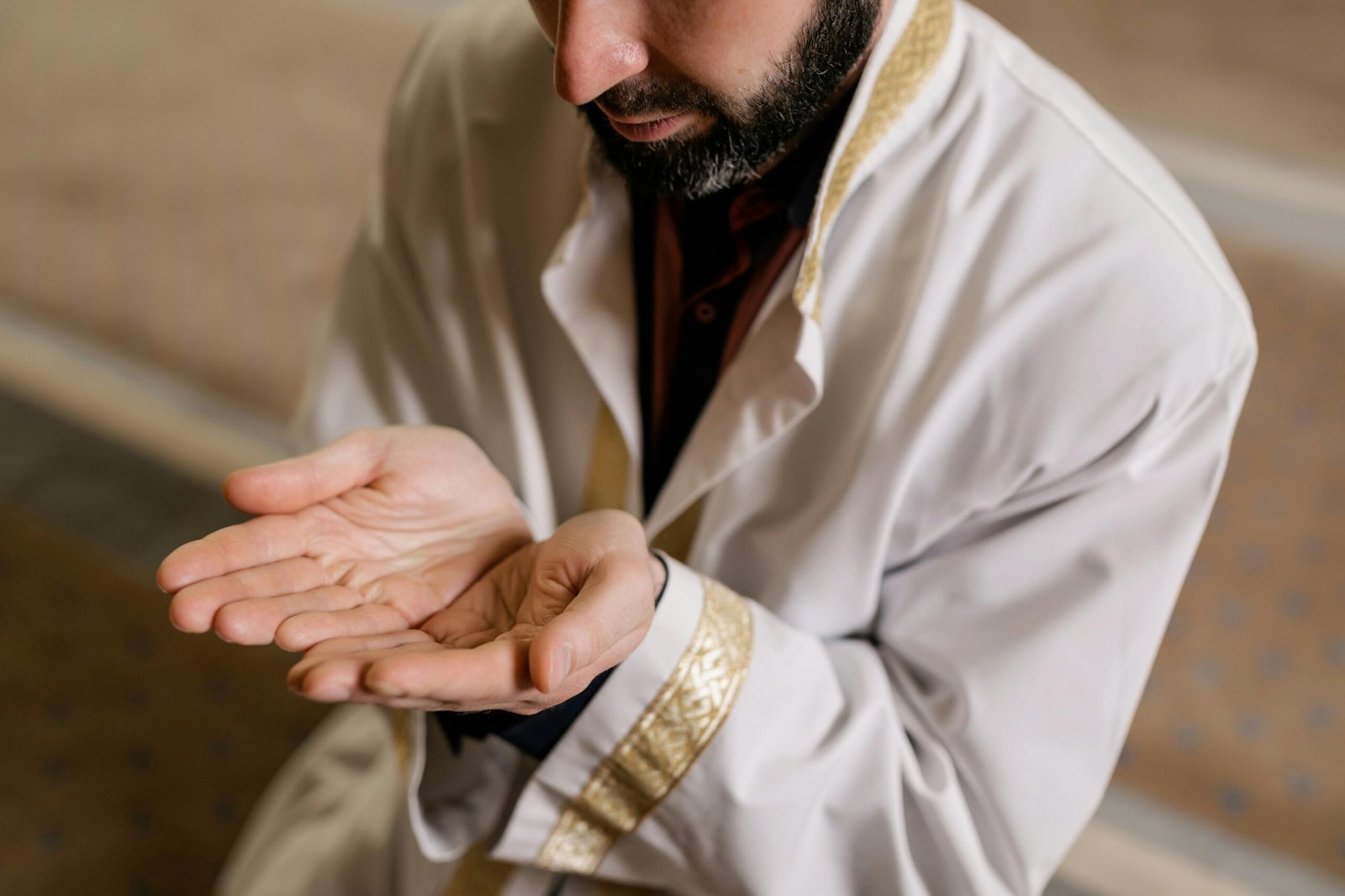
Contemporary Muslim families face unique challenges navigating the wali system. Whether dealing with non-Muslim parents, absent relatives, or difficult family dynamics, Islamic guidance provides solutions for nearly every situation. The challenges are real — but so are the answers, and knowing both allows modern Muslims to proceed with both confidence and Shariah compliance.
Non-Muslim or Absent Parents
Converts to Islam often face the challenge of having no Muslim family members who can serve as wali. Similarly, some Muslims have estranged families or parents in other countries who cannot participate.
Islamic guidance: When no Muslim male relative exists within the hierarchy, authority transfers to the Muslim leader of the community — typically an imam or Islamic judge. Many mosques in the UK have established processes for appointing substitute walis for such situations.
Practical steps:
- Contact your local mosque early in the marriage process
- Explain your family situation to the imam
- Request formal appointment as wali based on Islamic principles
- Document this appointment for the nikah contract
This solution ensures converts and those without family support can still marry according to Islamic guidelines without being permanently disadvantaged.
Wali Refusing Suitable Marriage
Sometimes a wali unreasonably refuses a suitable marriage proposal. Perhaps cultural preferences conflict with Islamic priorities, or family disputes create obstacles. Islam provides clear recourse in these situations.
Islamic procedures:
- Attempt respectful dialogue explaining why the suitor meets Islamic requirements
- Involve respected family elders or mutual contacts to mediate
- Consult Islamic scholars who can advise the wali on his obligations
- If refusal continues without valid reason, petition an Islamic judge
According to Ibn Taymiyyah and other classical scholars, a wali who refuses a suitable match based on non-Islamic criteria (ethnicity, profession, wealth beyond reasonable standards) may have his authority transferred to the next qualified relative or to a judge. As IslamQA’s fatwa on this issue clarifies:
"If the wali refuses to let a woman marry a man whose religious commitment and character are good, then guardianship passes to the next closest male relative on the father's side."
The key principle: the wali’s role is protective, not controlling. He cannot force marriage, nor can he prevent valid marriages without genuine Islamic concerns.
Healthcare Professionals and Wali Involvement
Muslim healthcare professionals face particular challenges balancing demanding schedules with family-involved marriage processes. Long shifts, on-call requirements, and career pressures — compounded by EWTD working hour frameworks (BMA) — make traditional family coordination difficult.
Practical solutions:
- Technology-enabled communication: Video calls allow walis in different cities or countries to participate in meetings and discussions.
- Structured timelines: Rather than open-ended courtship, setting clear milestones helps busy professionals and their families move purposefully toward marriage.
- Platform support: Healthy Nikah’s wali auto-sharing feature addresses this directly. Upon a mutual match, guardian contact details are shared immediately — removing awkwardness and ensuring family involvement happens systematically rather than being forgotten amid busy schedules.
This structured approach means the average member moves from matching to first meeting in 7–9 weeks, with nikah following in approximately 4 months. The wali system integrates naturally rather than creating additional burden.
Conclusion and Next Steps
The wali system in Islamic marriage reflects divine wisdom: protecting women’s interests, ensuring family involvement, and creating strong foundations for lifelong partnerships. Far from restricting women’s agency, proper guardianship provides support, verification, and advocacy throughout the marriage process.
Understanding wali requirements helps modern Muslims approach matrimony with confidence. The hierarchy from the bride’s father through extended relatives to community leaders ensures every Muslim woman has access to proper guardianship regardless of family circumstances.
Your immediate next steps:
- Identify your wali: Determine who holds authority in your situation based on the hierarchy outlined above.
- Discuss marriage goals: Have an open conversation with your wali about your priorities, timeline, and criteria for a spouse.
- Seek guidance when needed: Consult local Islamic scholars for specific situations not covered in general guidance.
- Choose platforms wisely: Select matrimony services that respect and facilitate wali involvement rather than bypassing it.
Healthy Nikah’s entire platform is designed around these principles. With a modesty-first approach — including blurred photos and immediate wali sharing upon a mutual match — the marriage journey remains Shariah-compliant from first interest through nikah. The app is launching soon; pre-register for Healthy Nikah today and join thousands of Muslims who have chosen halal matrimony over casual dating. At launch, the joining package is £40 (inclusive of 10 match credits), with a monthly membership of £10 providing 3 credits per month — plus top-up options of £12 for 3 credits, £30 for 10 credits, or £99 for unlimited credits.
Related topics to explore: Are Muslim Dating Apps Halal or Haram?
Frequently Asked Questions About Wali in Islam
Can a woman marry without a wali in Islam?
According to the majority of Islamic scholars (Maliki, Shafi’i, Hanbali), a nikah without a wali’s consent is invalid. The Hanafi school allows exceptions for adult women of sound mind marrying suitable equals, but most contemporary scholars still recommend wali involvement for protection and blessings.
What if my father refuses to be my wali?
If your father refuses a suitable proposal without valid Islamic reason, you can seek mediation from Islamic scholars or community elders. If refusal continues unreasonably, authority may transfer to your paternal grandfather, then your brother, then your uncle, or ultimately to an Islamic judge.
Can my brother be my wali if my father is alive?
Generally, no — the father holds primary authority when alive and capable. However, if the father is non-Muslim, deemed incapable due to mental incapacity, or has demonstrably poor character, authority passes to the paternal grandfather or then your brother.
Do converts to Islam need a wali for marriage?
Yes. Converts without Muslim family members should approach their local imam or mosque, who can appoint an appropriate Muslim leader to serve as wali. This is a well-established practice in the Muslim world.
Can a wali force marriage on an unwilling bride?
Absolutely not. The bride’s consent is one of the three pillars of a valid nikah according to Islamic scholars. A marriage conducted without the bride’s genuine agreement is invalid. The wali’s role is protective advocacy, not control.
What qualities should I look for in choosing a wali?
Seek someone who is a practising Muslim, trustworthy, has your genuine interests at heart, understands Islamic marriage requirements, and will investigate potential spouses thoroughly. Islamic texts describe ideal guardians as wise, just, and caring.
How does the wali system work in modern matrimony apps?
Serious platforms integrate wali involvement rather than bypassing it. Healthy Nikah, for example, shares wali contact details immediately upon a mutual match — ensuring family participation becomes systematic rather than optional.
Can a non-practising Muslim serve as wali?
This requires scholarly consultation. A wali must be of good character and able to evaluate suitors from an Islamic perspective. Someone who neglects prayer or engages in major sins may be bypassed for a more practising relative.
What documents does a wali need for Islamic marriage?
Requirements vary by country and mosque. Generally, the wali needs identification, proof of relationship to the bride (for non-father guardians), and may need to complete paperwork for the marriage contract. Contact your officiating imam for specific requirements.
How do interfaith family situations affect wali requirements?
A non-Muslim father cannot serve as wali for a Muslim bride. In such cases, authority transfers to the next Muslim male relative in the hierarchy. If none exists, the imam serves as wali. Note that Muslim women may only marry Muslim men according to Islamic consensus.