Skip to main content Skip to footer
Table of Contents
Introduction
Muslim dating websites are matrimonial platforms aimed at helping practicing Muslims find life partners through Shariah-compliant processes that prioritise marriage over casual relationships. These platforms are committed to supporting users in their search for serious, long-term relationships.
Unlike mainstream dating apps built around superficial swiping, these Muslim matrimonial site services incorporate Islamic values like wali (guardian) involvement, modesty features, and serious commitment from the first conversation. For single Muslims navigating the balance between faith and modern spouse-seeking, understanding these platforms is essential to finding the right person while honouring religious principles.
This guide covers the landscape of halal matrimony websites—what distinguishes legitimate marriage-focused platforms from casual dating apps, key evaluation criteria for Muslim singles finding their match, and how to navigate common challenges like fake profiles and family expectations.
The importance of shared cultural and religious values cannot be overstated in successful Muslim matchmaking. Many Muslim singles face challenges in finding partners who share their cultural and religious values, making these platforms especially valuable. Our focus is on practicing Muslims aged 25–40, particularly healthcare professionals and career-focused individuals seeking a serious relationship that leads to nikah.
What are muslim dating websites?
Direct answer: Muslim dating websites are Shariah-compliant matrimonial platforms that help practicing Muslims find spouses through family involvement, self-declared profiles, and Islamic principles—distinguishing them from casual dating apps through features like immediate wali sharing upon mutual match, modesty protections, and marriage-focused timelines.
By the end of this guide, you will:
- Understand the different types of Muslim matrimony platforms and their core features
- Know how to evaluate sites based on verification, safety, and Shariah compliance
- Recognise red flags that indicate casual dating culture versus serious marriage intentions
- Have clear criteria for choosing a platform that aligns with your values and professional life
- Gain actionable steps to begin your spouse search the halal way
Key Takeaways
- Muslim dating websites are matrimonial platforms, not dating apps. The distinction is not semantic — it determines whether a platform filters for serious marriage seekers or enables casual connections that contradict Islamic values.
- Wali involvement is non-negotiable. Any platform that treats guardian participation as optional is not built around Shariah compliance. Look for platforms where wali contact sharing happens immediately upon a mutual match.
- Verification reduces wasted time. Platforms requiring government ID and professional credentials structurally eliminate fake profiles — rather than relying on users to spot them after emotional investment has already occurred.
- Modesty must be protected by design. Blurred photos by default, no open-ended messaging, and restricted chat are features that signal a marriage-focused platform — not limitations to work around.
- Healthy Nikah is built for three groups: healthcare professionals seeking a compatible spouse, non-professionals who want to marry a doctor or nurse, and professionals open to partners who simply understand a clinical career.
- Timeline matters. On marriage-focused platforms with accountability structures, users typically meet within 7–9 weeks and reach nikah within 4 months — compared to months or years of directionless chatting on general apps.
- Whether Muslim dating apps are halal or haram depends on platform design — not the technology itself. The right platform makes halal spouse-seeking easier, not harder.
Understanding Muslim Matrimonial Platforms
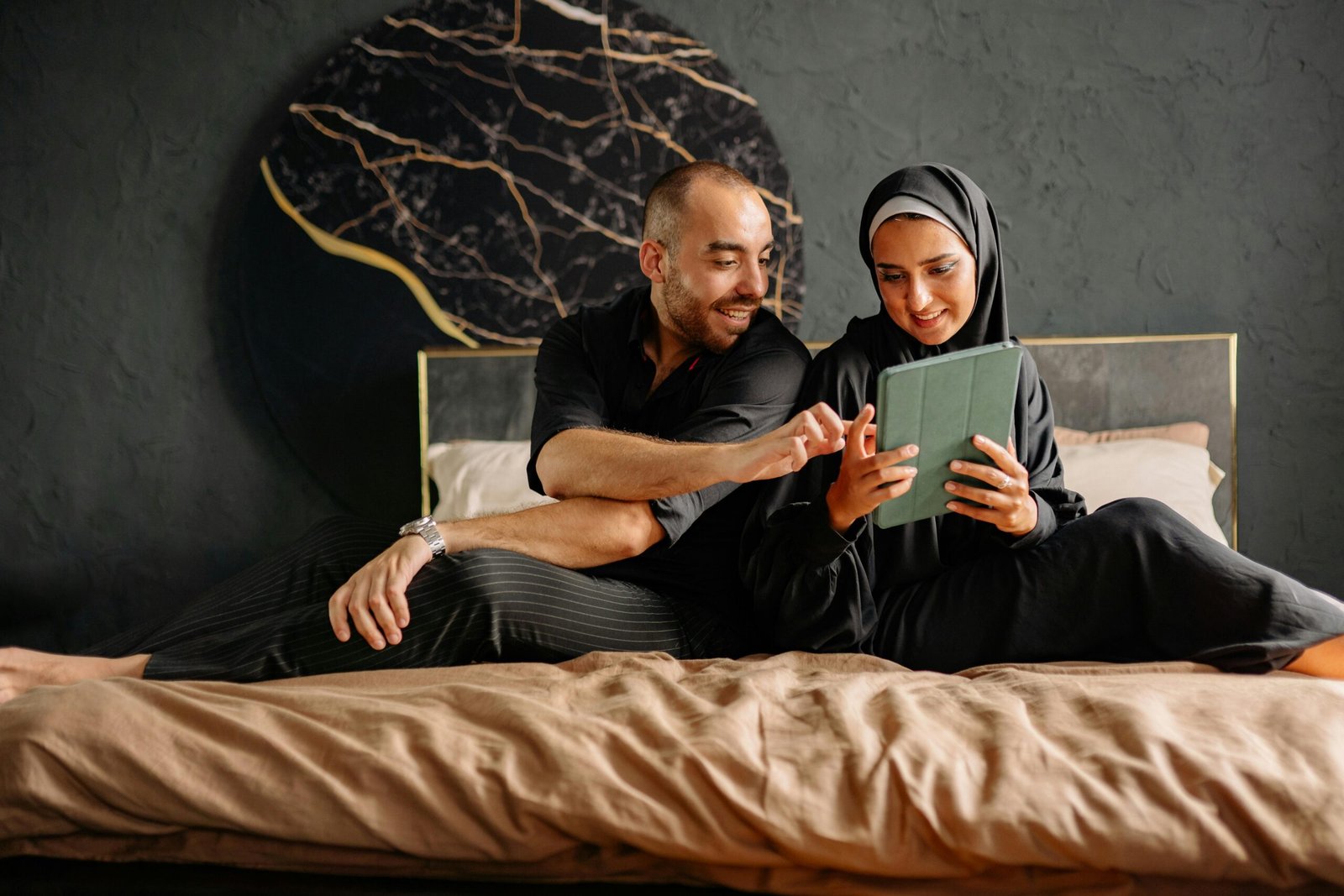
Muslim matrimonial platforms are online services designed specifically to facilitate halal marriage introductions between Muslims around the world. These platforms adhere to Islamic rules and guidelines, ensuring that all interactions follow the principles of Shariah, such as modesty, respectful communication, and the intention of marriage.
Unlike mainstream online dating apps where users often seek casual connections, these platforms are built on the premise that every interaction should aim toward nikah—the Islamic marriage contract. Family involvement, modesty protections, and serious intentions are not optional add-ons but foundational design principles.
These platforms serve users from many countries, connecting Muslims globally and expanding the pool of potential matches for marriage.
The Prophet Muhammad ﷺ said: “When someone whose religion and character please you proposes, then marry him. If you do not, there will be trials on earth and great corruption.”
Riyad as-Salihin 702
Platforms that genuinely serve Muslim singles create environments where users seek a spouse without compromising religious values—a fundamentally different approach from apps that simply add a “Muslim” filter to secular dating frameworks.
Many young Muslims do not have dating experience due to restrictions on courtship during their youth, making these dedicated platforms especially valuable for those seeking a halal path to marriage. For scholarly guidance on using matchmaking apps, see SeekersGuidance on Muslim matchmaking apps.
Shariah-Compliant Features on Muslim Dating Websites
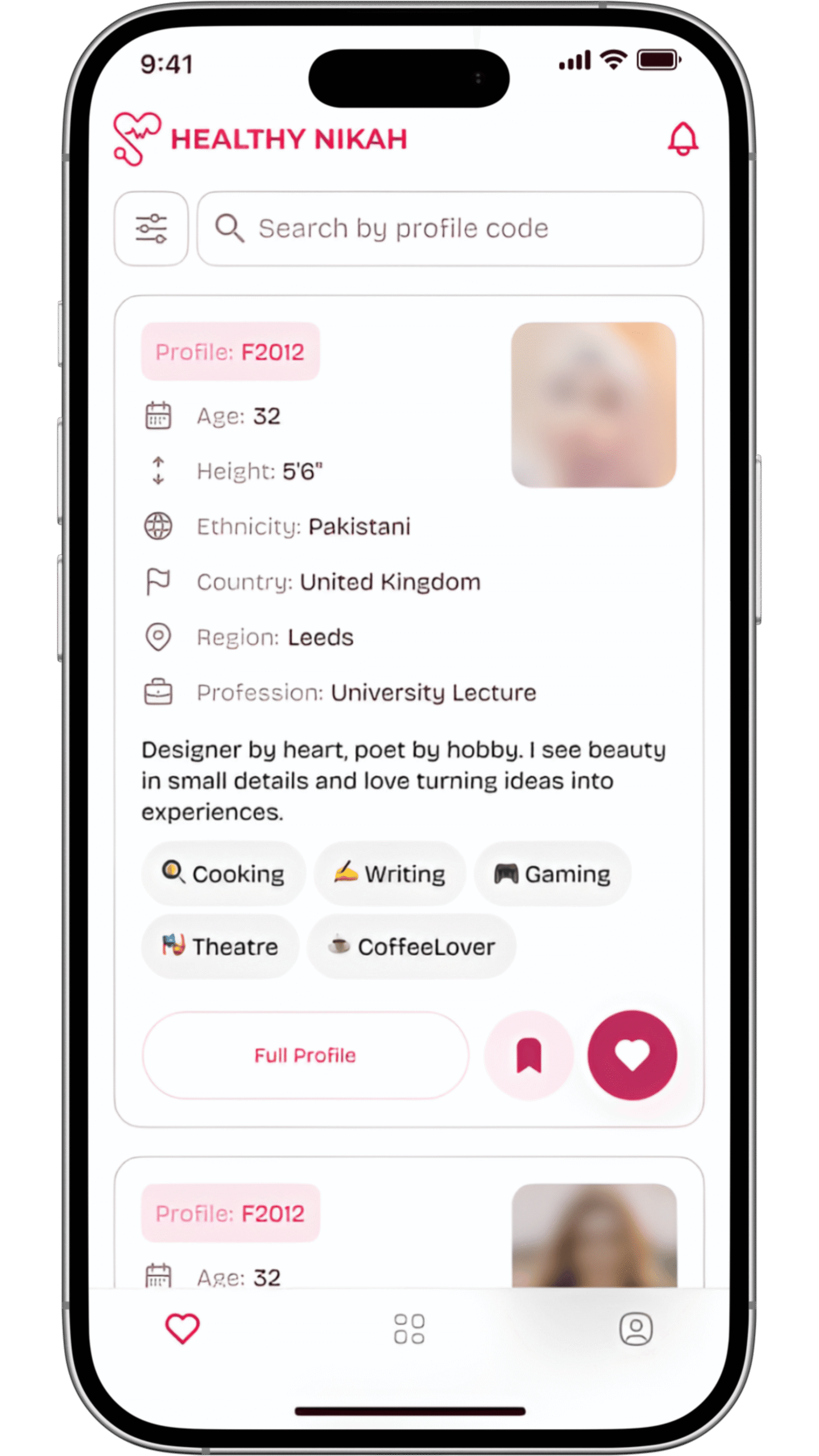
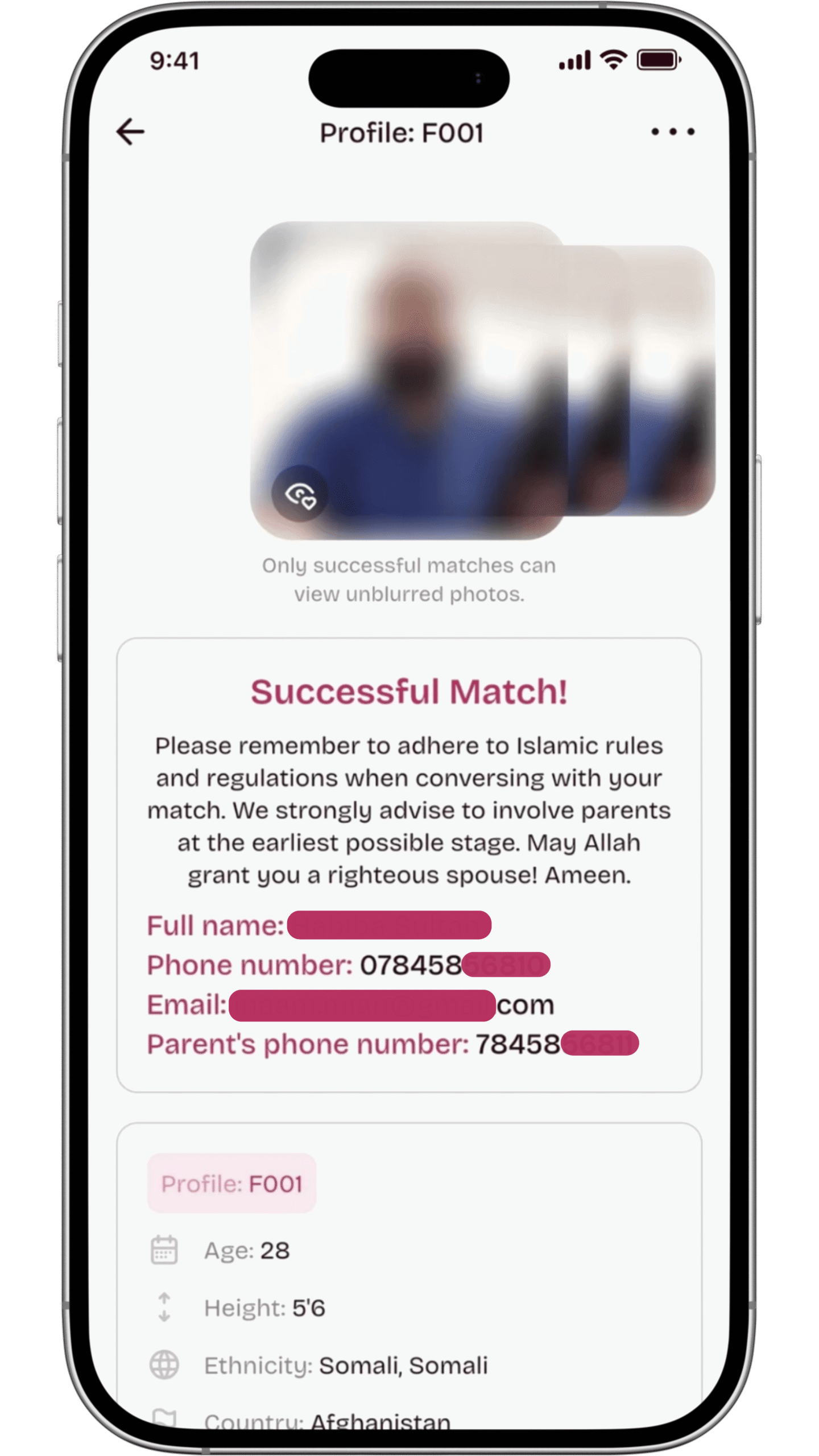
Central to any legitimate Muslim matrimony website is wali involvement—the Islamic requirement for a guardian (typically the bride’s father or male relative) to participate in the marriage process. Authentic platforms facilitate this through immediate wali contact sharing upon a mutual match, ensuring families are involved from the very first connection rather than as an afterthought. See IslamQA on valid marriage conditions.
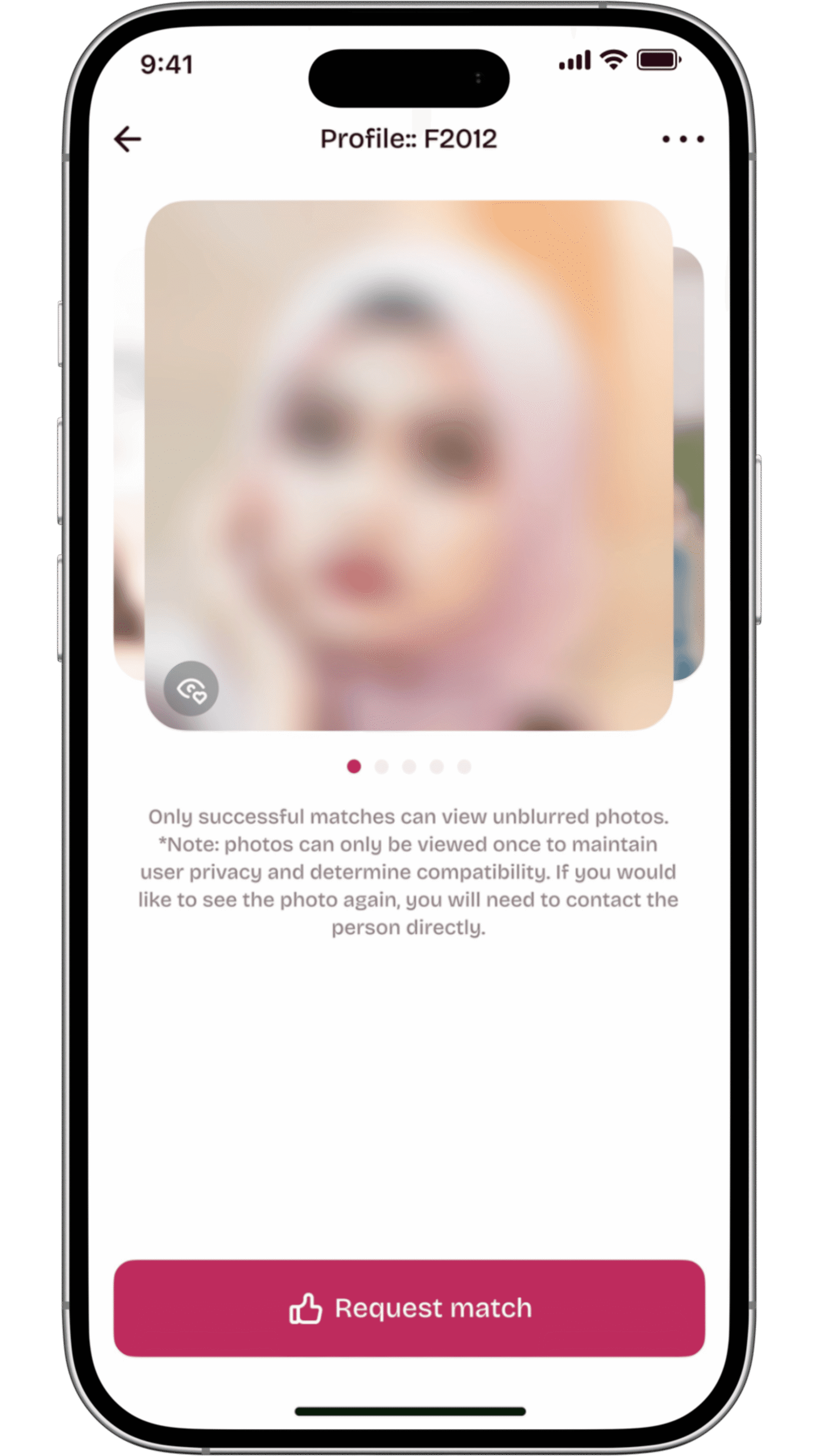
Modesty protection represents another critical element. Platforms honouring hayaa (Islamic modesty) offer blurred profile photos until serious interest is established, preventing the superficial browsing that characterises casual dating sites.
Users can filter matches based on privacy and modesty controls, ensuring comfort especially for women. These controls are often managed through dedicated pages such as the profile page or privacy settings page, allowing users to customise their experience. This approach respects the Islamic principle that physical attraction should develop within appropriate boundaries, not drive initial decisions.
Account security is also emphasised, with users encouraged to set a strong password during registration or when updating their information. This helps protect personal data and maintain privacy.
These features directly connect to the core purpose: marriage. When wali involvement is immediate and modesty is protected by design, the platform signals to users that everyone present shares serious intentions. This filtering mechanism saves time and emotional energy for Muslims seeking genuine commitment. To see how this works in practice, Healthy Nikah’s matrimony features offer a useful reference point for what genuine Shariah-compliant design looks like.
Marriage-Focused vs Dating-Focused Platforms
The terminology matters immensely in Muslim communities. Researchers studying this space found they had to reframe studies from “Muslim dating apps” to “matchmaking” because the former evokes haram connotations of casual encounters.
Legitimate platforms understand this distinction and position themselves around matrimony, not dating. Many marriage-focused Muslim dating websites claim to offer high success rates, serious users, and a safe environment for those seeking halal relationships.
Marriage-focused platforms typically feature:
- Clear timeline expectations (meeting within weeks, nikah within months)
- No open-ended messaging that enables casual chatting
- Required disclosure of marriage intentions and family involvement preferences
- Accountability structures that filter out users seeking casual connections
When you sign up for these platforms, you are often asked to create a profile that highlights both your personal interests and your cultural or religious values. Profiles that reflect a balance of personal interests and cultural values tend to resonate more with potential matches.
Dating-focused apps, by contrast, often prioritise user acquisition through familiar swipe mechanics, allow unlimited messaging without commitment, and position “seeing where things go” as acceptable. For Muslims seeking halal courtship, this approach wastes precious time and risks emotional attachment outside appropriate boundaries.
Understanding this distinction prepares you to evaluate specific platform types and identify which services genuinely align with Islamic marriage values versus those merely marketing to the Muslim crowd.
Benefits of Muslim Marriage

Muslim marriage is much more than a social contract—it is a sacred bond that brings together two individuals in a partnership rooted in shared values, faith, and cultural heritage. The Quran describes this beautifully:
“And of His signs is that He created for you from yourselves mates that you may find tranquility in them; and He placed between you affection and mercy.” (Quran 30:21).
For Muslim singles, entering into marriage offers the chance to build a life with a partner who understands and supports their beliefs, creating a foundation of trust and mutual respect.
Spiritual and Emotional Benefits
A strong Muslim marriage creates a nurturing environment for raising children, passing on religious and cultural traditions, and fostering a sense of community responsibility. Around the world, single Muslims who marry within the framework of Islamic values often find greater stability and happiness, as their relationship is guided by faith and a commitment to shared goals.
Building a Family
In today’s digital age, online dating and Muslim matrimonial sites have made it easier than ever for Muslim singles to connect with like-minded partners, regardless of where they live. These platforms help individuals find a life partner who shares their values, making the journey to marriage more accessible and aligned with Islamic principles.
Whether you are seeking a partner who shares your cultural background or someone who complements your faith and values, Muslim marriage offers a path to personal growth, fulfilment, and a deeper connection to your community and religion.
Types of Muslim Matrimonial Websites
Building on these Islamic principles, Muslim matrimony platforms have diversified to serve different community needs. These platforms are designed for both men and women seeking serious relationships, providing a trusted environment for women to find suitable partners in accordance with Islamic values.
From broad-audience sites serving Muslims across the world to niche services targeting specific professions, understanding these categories helps you identify where serious marriage seekers with shared values are most likely to be found.
When using these platforms, cautious communication and verifying genuineness through conversations help ensure safe and halal exchanges with potential partners. Additionally, verification processes—such as selfie or ID confirmation—are important to ensure genuine intentions and reduce fake profiles.
General Muslim Matrimony Sites
Broad-audience platforms like Muslima, SingleMuslim, and LoveHabibi serve the global Muslim community with features designed for members across different cultural backgrounds, sects, and geographic regions.
- LoveHabibi has helped over 1,404,419 singles find partners worldwide.
- Muslima, one of the largest and most trusted Islamic matrimonial sites, has a membership database of over 7.5 million members and is part of the Cupid Media network, which operates over 30 niche dating sites.
- Qiran.com offers almost 2 million profiles available for Muslim singles and is run 100% by Muslims, making it a trusted matrimonial service.
These sites typically offer:
- Extensive search filters for religious practice (prayer frequency, halal dietary adherence)
- Sectarian preferences (Sunni, Shia, and specific schools of thought)
- Geographic reach spanning the USA, Canada, Europe, the Middle East, and Asia
- Free account creation with premium features requiring payment
User demographics on these platforms span wide age ranges and cultural backgrounds. While this breadth offers more potential matches, it also means you may encounter users with varying commitment levels.
Many users have shared success stories, including finding a spouse through these platforms, which highlights their effectiveness in fostering Islamic marriages and fulfilling religious and traditional values. The challenge lies in filtering for those who share your specific values and marriage timeline expectations.
Niche Professional Platforms
For healthcare professionals — doctors, nurses, pharmacists, dentists — general platforms often miss a crucial compatibility factor: understanding demanding schedules. Niche matrimony apps designed around the medical world address this gap by creating communities where shift work, on-call responsibilities, and career dedication are understood rather than explained.
GMC-registered doctors and NMC-registered nurses need platforms that understand their professional realities — whether they are seeking a fellow professional or simply a partner who respects the demands of a clinical career.
Healthy Nikah is built for three types of Muslim singles who often struggle on general matrimony platforms:
- Healthcare professionals seeking a spouse who genuinely understands shift patterns, on-call nights, and career-first priorities
- Non-professionals who want to marry a doctor or nurse — and appreciate a platform where that intention is welcomed, not treated as unusual
- Healthcare professionals open to non-medical partners — provided that partner understands and respects the realities of a clinical career without needing it explained
This three-way inclusivity is what separates a true professional-niche platform from a closed community. Benefits that apply across all three groups include:
- Matched expectations around work-life balance from the very first conversation
- Higher accountability standards across all profiles
- A community where career dedication is respected, not resented
- Reduced time spent explaining professional demands to potential matches
For Muslims navigating the balance between a demanding vocation and the search for a halal marriage, Healthy Nikah removes a friction point that no general Muslim dating website is designed to solve.
Regional and Cultural Specific Sites
Platforms like Inshallah.com and Mektoube in France serve hundreds of thousands of users by targeting specific ethnic-religious communities. These regional sites leverage cultural familiarity—shared language, immigration experiences, and cultural expectations—to facilitate matches within communities where family approval often depends on cultural compatibility.
| Platform Type | Best For | Key Advantage | Potential Limitation |
|---|---|---|---|
| General Muslim Sites | Wide search, diverse backgrounds | Largest user pools | Variable commitment levels |
| Professional Niche | Career-focused individuals | Shared lifestyle understanding | Smaller user base |
| Regional/Cultural | Specific ethnic communities | Cultural compatibility | Geographic restrictions |
Choosing between regional and global platforms depends on your priorities: cultural endogamy (marrying within your cultural group) versus broader compatibility based on religion and values alone. Both approaches are Islamically valid, and your family’s preferences often influence this decision.
These platform distinctions set the stage for evaluating specific features that separate trustworthy matrimony services from those that fail to protect users.
Evaluating Muslim Dating Websites: Key Features and Comparison
With platform types understood, the critical question becomes: how do you distinguish trustworthy Muslim matrimonial site services from those that fail to deliver on their promises? Evaluation requires examining verification processes, safety features, and alignment with Shariah-compliant values.
When creating or evaluating your profile, it is important to showcase your personality and values naturally, as this increases your chances of finding a compatible match. Many users express gratitude to God for guidance and blessings when successful matches are made, acknowledging the divine will in the process of finding a life partner.
Essential Safety and Verification Features
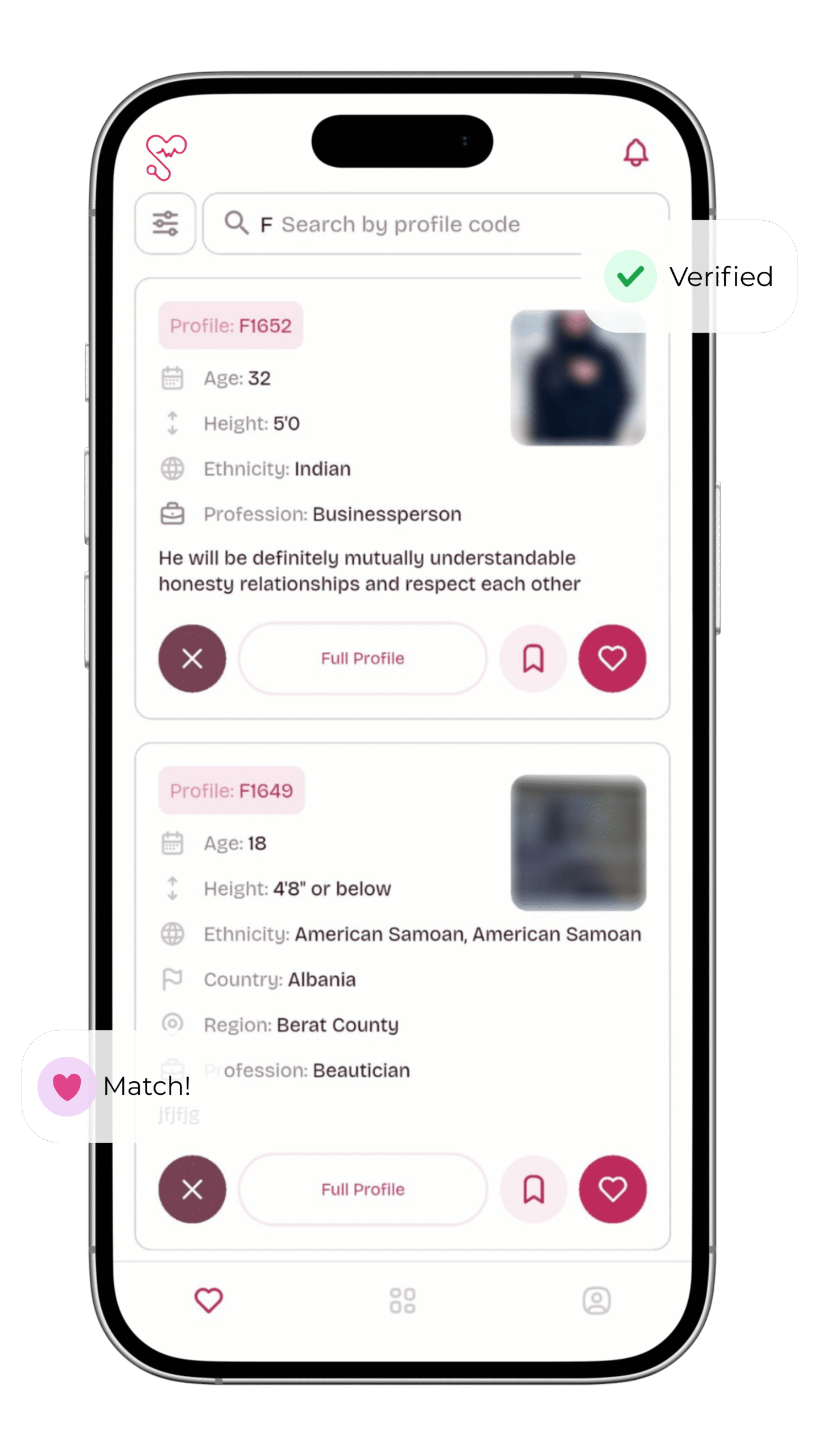
Catfishing—fake profiles deceiving users—plagues online dating across all communities. For Muslims seeking marriage, encountering fake profiles wastes emotional energy and can cause genuine harm. Robust verification addresses this directly.
Profile verification processes should include:
- Government ID confirmation (not just email verification)
- Professional credential checks (particularly for niche platforms)
- Photo verification ensuring profile images match real users
- Social media cross-referencing where appropriate
Moderation and reporting systems indicate platform seriousness:
- Response time to reported profiles (hours, not days)
- Clear policies against harassment and inappropriate messages
- Active removal of inactive or suspicious accounts
- Transparency about moderation standards
Family involvement features signal marriage focus:
- Immediate wali contact sharing upon a mutual match
- Options for family members to view profiles
- Privacy controls that respect modesty while enabling guardian oversight
Healthy Nikah’s Shariah-compliant matrimony features illustrate how a platform built for serious marriage seekers operates:
- immediate wali sharing upon mutual match
- blurred photos by default
- no in-app messaging
- self-declared profiles that put sincerity at the centre.
This level of design eliminates the fake profiles and time-wasters that plague other sites and creates accountability that casual dating platforms cannot match.
Platform Comparison Matrix
| Criterion | General Apps (e.g., Muzz) | Traditional Web Sites | Niche Professional (e.g., Healthy Nikah) |
|---|---|---|---|
| Verification Level | Email + optional ID | Variable | Emphasis on early wali and family involvement |
| Wali Involvement | Optional | Variable | Immediate on mutual match |
| Profile Modesty | User-controlled | User-controlled | Blurred photos by default |
| In-App Messaging | Unlimited chat | Unlimited | No in-app chat (direct contact only) |
| User Intent Focus | Mixed (casual to serious) | Generally serious | Marriage-only |
| Timeline Pressure | None | None | 7-day response windows |
| Professional Focus | None | None | Healthcare credential matching |
Key takeaways from the comparison:
- If your priority is Shariah compliance with serious marriage intentions, platforms with immediate wali involvement and restricted messaging outperform those offering unlimited chatting.
- If professional compatibility matters, niche platforms eliminate the burden of explaining your demanding schedule to every potential match.
- The verification and intent-filtering differences explain why average timelines vary dramatically—Healthy Nikah users typically meet within 7–9 weeks and reach nikah within 4 months, compared to months or years of casual conversations on platforms without accountability structures.
These evaluation criteria help identify challenges before they become obstacles.
Tips for Successful Muslim Dating
Navigating Muslim matrimony with the intention of finding a serious relationship requires a thoughtful approach grounded in faith, respect, and clear communication.
Defining Your Values
For Muslim singles, the first step is to define your values and preferences—consider what matters most to you in a life partner, including religious practices, cultural background, and personal goals. Being clear about your expectations will help you identify the right person and avoid misunderstandings down the line.
Choosing the Right Platform
Choosing a reputable Muslim matrimonial site or online platform is crucial. Look for sites that prioritise serious relationships, offer robust verification, and align with your values. When you create your profile, be honest and authentic—share your interests, intentions, and what you are seeking in a partner. This transparency helps attract matches who are genuinely compatible.
Effective Communication
Respectful and courteous communication is key. Approach conversations with kindness, ask thoughtful questions, and be open to learning about your potential partner’s beliefs and experiences. Do not hesitate to seek advice from friends, family, or religious leaders if you need guidance or reassurance during the process.
Remember, the journey to finding a life partner is unique for everyone—trust in Allah’s plan, be patient, and remain steadfast in your faith. With perseverance and the right approach, Muslim singles can build meaningful relationships that honour both their personal and religious values.
Muslim Dating Websites Common Challenges and Solutions
Every Muslim using matrimonial platforms encounters predictable obstacles. Understanding these challenges—and their solutions—saves time and emotional energy during your spouse search.
Fake Profiles and Catfishing
The problem extends beyond annoying—it can cause genuine emotional harm when users invest in connections with non-existent people. Red flags indicating potential fake profiles include:
- Reluctance to video call or meet in person
- Photos that appear professional or modelling-quality
- Inconsistent story details across conversations
- Pressure to move conversations off-platform quickly
- Claims that seem too perfect or too convenient
Solutions:
- Prioritise platforms with mandatory verification, credential checking or early family involvement.
- Register with Healthy Nikah for a matrimonial platform built around accountability—where self-declared profiles and immediate wali sharing structurally eliminate time-wasters.
- Request video calls before emotional investment deepens.
- Involve your wali early—insincere profiles typically disappear when guardian involvement becomes real.
Balancing Career and Marriage Search
For healthcare professionals working demanding shifts, finding time for spouse-seeking feels impossible. The traditional approach—attending mosque events, meeting through family networks—requires schedule flexibility that on-call doctors and nurses simply do not have.
The BMA’s guidance on doctor wellbeing acknowledges the unique pressures on healthcare professionals, including the impact on personal life milestones like marriage.
Solution: Choose platforms designed for professional realities. Features that respect busy schedules include:
- 7-day response windows that create urgency without requiring immediate availability
- No endless messaging that consumes limited free time
- Clear timelines that move toward meeting and nikah rather than prolonged chatting
- Matching with other professionals who understand demanding careers
The key is efficiency: platforms that filter for serious intentions and eliminate time-wasters respect your limited availability better than those enabling casual conversations.
Family Involvement and Cultural Expectations
Navigating wali involvement while maintaining appropriate agency creates tension for many Muslim singles. Some families demand immediate involvement; others expect extended independent searching. Cultural expectations around endogamy, profession, and family background add complexity.
Solution: Choose platforms that structure family involvement appropriately. Healthy Nikah shares wali contact details immediately upon a mutual match—creating a natural checkpoint where serious connections progress with family knowledge, while casual interest fades without awkward parental conversations about every match.
For cultural expectations, honest profile information prevents wasted time. If your family requires specific cultural backgrounds, geographic origins, or professional standards, platforms with detailed filters allow you to respect these preferences while maintaining your own agency in choosing whom to approach.
These challenges, addressed proactively, transform from obstacles into manageable aspects of the spouse-search process.
Conclusion and Next Steps
Muslim dating websites—more accurately, Muslim matrimonial platforms—serve as modern tools for an ancient purpose: helping practicing Muslims find spouses while honouring Islamic values. The distinction between marriage-focused platforms and casual dating apps determines whether your time online brings you closer to nikah or wastes precious years in purposeless conversations.
Key criteria for platform selection include:
- Verification rigour: Mandatory ID or credential verification eliminates fake profiles
- Wali involvement: Immediate guardian sharing upon mutual match ensures family participation
- Modesty features: Blurred photos and restricted messaging protect hayaa
- Intent filtering: No casual dating tolerance through timeline pressure and commitment requirements
- Professional compatibility: Niche platforms for healthcare workers and other professionals
Your immediate next steps:
- Audit your priorities: Determine whether cultural endogamy, professional compatibility, or geographic proximity matters most
- Evaluate platforms against verification standards: Reject any service without meaningful ID verification
- Involve your wali early: Choose platforms that structure guardian participation rather than treating it as optional
- Set timeline expectations: Commit to platforms where serious users move from matching to meeting within weeks, not months
- Create your profile with marriage intention clarity: State your timeline, family involvement preferences, and serious commitment from the first line
For UK healthcare professionals balancing demanding careers with spouse-seeking, Healthy Nikah is launching soon with purpose-built solutions: self-declared profiles, immediate wali sharing, no casual chatting, and a growing community of 3,500+ users who understand your schedule. The average timeline—7–9 weeks to first meeting, 4 months to nikah—demonstrates what is possible when platforms filter for serious intentions.
Ready to find your spouse the halal way? Register your interest in Healthy Nikah and join a community where Shariah compliance, professional understanding, and serious marriage intentions are non-negotiable.
Frequently Asked Questions
Is Muslim dating halal?
The term “dating” carries casual connotations in Islamic discourse, which is why scholars and platforms prefer “matrimony” or “spouse-seeking.” Halal spouse-seeking involves clear marriage intentions, family (wali) involvement, and interactions that maintain Islamic modesty. Platforms designed around these principles—immediate wali sharing, no casual chatting, modesty-protected profiles—facilitate halal marriage processes rather than haram dating (see our full analysis: are Muslim dating apps halal or haram?).
How long should it take to find a spouse on Muslim matrimony sites?
Timeline varies by platform design. Casual-friendly apps may involve months or years of chatting without progression. Marriage-focused platforms like Healthy Nikah, with 7-day response windows and immediate wali involvement, see users meeting within 7–9 weeks and reaching nikah within 4 months on average.
Are Muslim matrimony apps safe from fake profiles?
Safety depends entirely on verification rigour. Platforms with email-only verification remain vulnerable to catfishing. Services requiring government ID verification and professional credential confirmation structurally reduce fake profiles rather than relying on users to identify them.
Can my family be involved in my online spouse search?
Yes, and Shariah-compliant platforms design for this. Features like immediate wali sharing upon mutual match, family member profile viewing options, and privacy controls that respect modesty while enabling guardian oversight allow appropriate family involvement throughout the process.
What makes healthcare-focused Muslim matrimony different from general sites?
Healthcare professionals face unique spouse-seeking challenges: shift work, on-call responsibilities, and demanding schedules that general platforms do not account for. Niche services like Healthy Nikah create communities where these realities are understood, matching professionals with others who respect career demands while prioritising serious marriage intentions.
How much do Muslim matrimony websites cost?
Pricing varies widely. Many general sites offer free accounts with limited features and premium subscriptions ranging from £10–50 monthly. Healthy Nikah’s pre-launch pricing is £10 registration plus 10 credits (£30)—totalling £40 to join. At launch, a £40 joining package includes 10 match credits, with a £10/month membership (3 credits/month) and top-up options available—significantly less than traditional matrimony brokers charging hundreds or thousands.
Also with Healthy Nikah you only consume credits for mutual matches, so no money is wasted on unsuccessful matches.
How do I know if a Muslim matrimony website is legitimate?
Legitimate platforms demonstrate seriousness through immediate wali involvement features, modesty protections like blurred photos, and restricted messaging that prevents casual chatting. Sites that allow unlimited messaging without any accountability typically attract casual users alongside serious marriage seekers.
What is a wali and why does it matter for Muslim matrimony?
A wali is an Islamic guardian, typically the bride’s father or closest male relative, whose involvement in the marriage process is required by most Islamic scholars. Legitimate Muslim matrimony sites incorporate wali involvement through immediate contact sharing upon mutual match, ensuring family participation from the very first connection rather than after emotional attachment develops.