Table of Contents
What is Mahr in Islam: Key Takeaways
- Mahr is an obligatory gift from the groom to the bride — not to her family — and is required for every valid Islamic marriage contract.
- It is the bride’s exclusive property. She can spend, save, invest, or return it freely — but she can never be pressured to waive it. There is no universal fixed amount. The Prophet ﷺ consistently
encouraged affordable, sincere mahr over large, unpaid sums. - Mahr comes in two forms: prompt (paid at the nikah) and deferred (paid upon divorce or death) — and both can be used together.
- In the UK, mahr agreed in a nikah-only ceremony is not automatically enforceable under English law — civil registration is strongly advised.
- Mahr is not a bride price. It is a divine obligation rooted in the Quran (An-Nisa 4:4) designed to honour and financially protect the wife.
Introduction: What is Mahr?
Mahr (also written as maher, mehr, or meher) is the mandatory gift a groom must give to his bride as part of the Islamic marriage contract. According to sharia, mahr is a religious requirement and is mandatory for all Islamic marriages. It belongs exclusively to the bride, it is non-negotiable in principle, and without it, a nikah (Islamic marriage) is considered incomplete under Islamic law.
For Non-Muslims
If you are not Muslim and have heard the word “mahr” or “dowry” in the context of an Islamic wedding, here is the key thing to know: in Islam, it is the groom who gives a gift to the bride — not the other way around, and not to her family. This is the opposite of many traditional dowry systems around the world, where the bride’s family pays the groom. Mahr is the bride’s right, her financial protection, and a sign of the groom’s commitment. In Islamic marriages, mahr is also referred to as a ‘bridal gift’ or ‘dower’ in legal contexts, and it is a mandatory obligation stipulated in the marriage contract.
Note: Mahr is distinct from dowry in that it is legally required for all Islamic marriages, while dowry is optional.
Allah SWT commands in Surah An-Nisa (4:4):
“Wa ātū an-nisā’a ṣadūqātihinna niḥlah — fa in ṭibna lakum ‘an shay’in minhu nafsan fa kulūhu hanī’an marī’ā”
“And give the women their mahr as a free gift; but if they, of their own good pleasure, remit any part of it to you, then take it and enjoy it without fear of any harm.”
The Arabic word niḥlah in this verse means a willing, free-hearted gift — not a transaction, not a price, and not a formality. This single word encapsulates Islam’s entire philosophy around mahr: it is an act of honour, not commerce, as commanded by Allah SWT.
Yet despite its importance, mahr is one of the most misunderstood elements of Islamic marriage — by Muslims and non-Muslims alike. Families argue about amounts. Grooms feel financially pressured. Brides are sometimes told to waive their rights. And in the UK, many Muslims do not know whether mahr is legally enforceable. This guide answers all of those questions — clearly, practically, and with full Shariah grounding.
For context on the broader marriage process in Islam, see our complete guide to what nikah means in Islam.
The Islamic Basis for Mahr: Quran and Sunnah
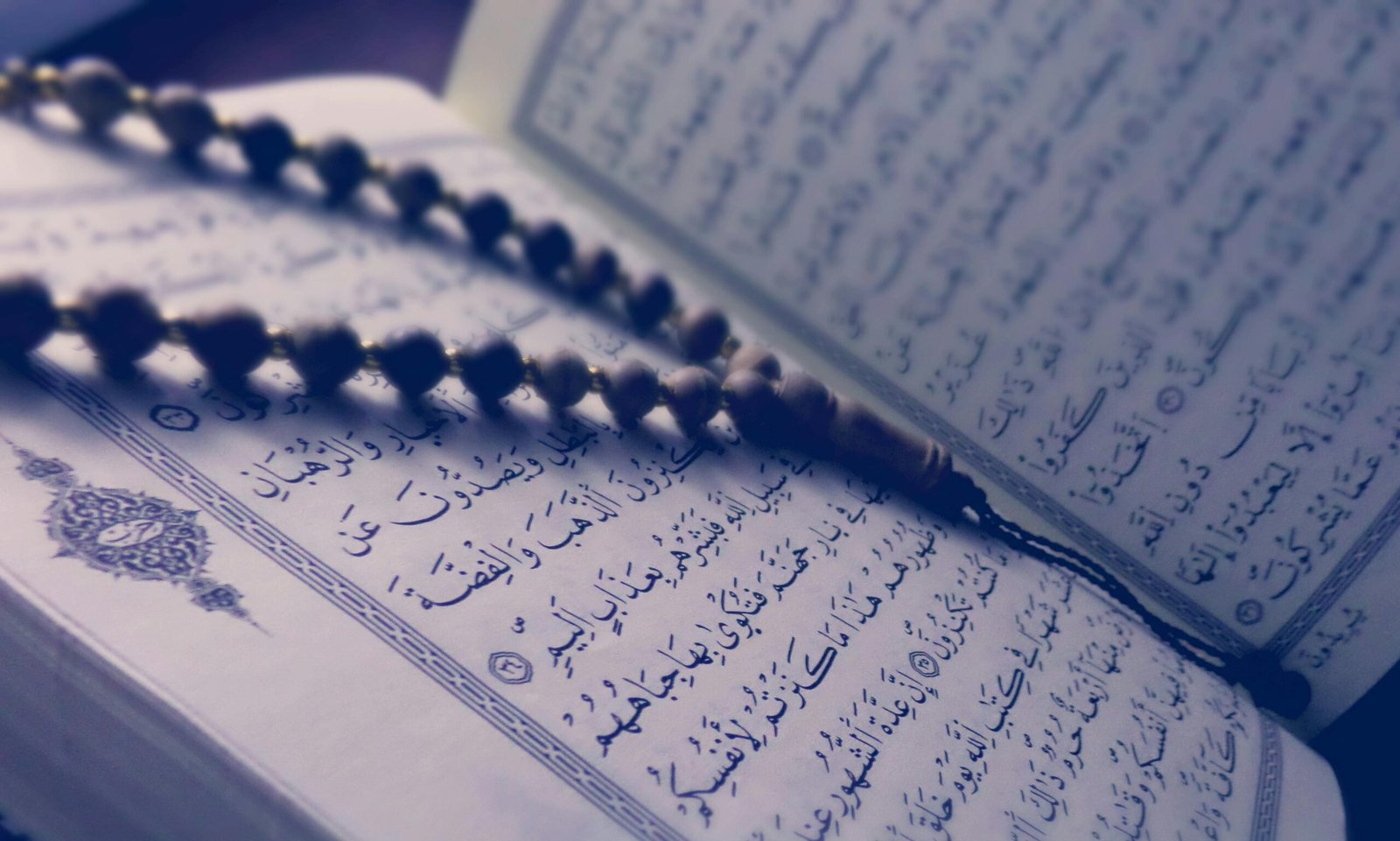
Mahr is not a cultural tradition or a regional custom that Muslims happen to practise. It is a divine obligation — rooted in the Quran as commanded by Allah SWT and demonstrated consistently in the life of the Prophet Muhammad ﷺ.
Many scholars agree on the obligation of mahr, emphasizing its importance in Islamic marriage and the need to consider local customs and individual circumstances when determining its amount.
Furthermore, Allah SWT warns in Quran 4:20 against taking back any part of the mahr from one’s spouse unjustly, describing such an act as a ‘manifest sin.’ This highlights the serious moral and ethical implications of violating the rights associated with mahr.
What is Mahr: Quranic Foundation
Beyond An-Nisa 4:4, Allah reaffirms the obligation of mahr in Surah An-Nisa (4:24):
“Fa mā istamta’tum bihi minhunna fa ātūhunna ujūrahunna farīḍah”
“So for whatever you enjoy [of marriage] from them, give them their due compensation as an obligation.”
Islamic Ruling on Mahr
The word farīḍah in An-Nisa 4:24 means a prescribed duty — one ordained by Allah. There is no scholarly disagreement on this point: the four major schools of Islamic jurisprudence (Hanafi, Maliki, Shafi’i, Hanbali) all agree that mahr is obligatory (wajib). It cannot be waived before or at the time of the nikah by anyone other than the bride herself — and only if she does so freely.
The Prophet’s ﷺ Example on Mahr
The Prophet ﷺ consistently modelled a balanced approach to mahr: one that honoured the principle without creating financial hardship. His own mahr to his wives was 500 dirhams — equivalent to approximately 1,487 grams of silver — as recorded in Sahih Muslim (1426), narrated by Abu Salama from Aisha (may Allah be pleased with her).
Did You Know?
The most famous mahr story in Islamic tradition involves a man who had nothing to offer — not even an iron ring. The Prophet ﷺ did not dismiss the obligation of mahr; instead, he validated teaching the bride Quranic verses as her mahr. This story, recorded in Sahih al-Bukhari (5150), confirms that mahr must have real value — but that value is not limited to money or material goods.
The Prophet ﷺ also explicitly discouraged excessive mahr. As recorded in Sunan Abi Dawud (2117), authenticated by al-Albani: “The best of dowries is that which is most affordable.” And in Sahih Ibn Hibban (4163): “The best marriage is one that is easiest.” These are not vague cultural preferences — they are authenticated Prophetic statements that carry legal weight in Islamic jurisprudence.
What is Mahr — and What is not Mahr
One of the most important things to address about mahr is what it is not. Misconceptions — from both Muslims and non-Muslims — are widespread and can cause real harm.
| What Mahr IS | What Mahr is NOT |
|---|---|
| An obligatory gift from groom to bride | A payment to the bride’s family or wali |
| Exclusively the bride’s property | A dowry brought by the bride’s family |
| An expression of honour and commitment | A “bride price” or purchase of the wife |
| A financial safeguard for the wife | Compensation for the husband’s wedding expenses |
| The wife’s right that she can waive freely | Something she can be pressured to forgo |
| A condition for a valid nikah | Optional, decorative, or purely symbolic |
For Non-Muslims
In many cultures around the world, a “bride price” is money paid by the groom’s family to the bride’s family. Islam’s mahr is fundamentally different:
- the groom pays the bride directly
- the bride’s family has no claim on it
- the bride can spend, save, invest, or gift it back however she chooses. It is her money — completely and unconditionally.
In some cultures, the woman’s family may expect to receive the mahr, but this is not in line with Islamic law, which clearly states that mahr is the exclusive right of the bride herself.
The confusion between mahr and bride price is one of the most common errors in cross-cultural discussions of Islamic marriage. Any cultural practice in which mahr money goes to the bride’s parents rather than to the bride herself directly contradicts the Quranic instruction.
Similarly, cultures that expect both a mahr from the groom and a dowry from the bride’s family are blending Islamic obligations with cultural traditions that have no Quranic basis.
When the marriage contract is formed, mahr serves as a consideration — meaning it is a mutually agreed-upon value or benefit exchanged as part of the contract, reflecting the seriousness and mutual responsibility of both parties.
Cultural customs can influence the amount, type, and negotiation of mahr, and sometimes families look to the woman’s family, such as her mother’s or relatives’ practices, as a benchmark. However, while culture may shape perceptions and expectations, Islamic law regarding mahr always takes precedence.
The Purpose and Wisdom Behind Mahr

Islamic scholars identify several layers of wisdom in the institution of mahr — spiritual, financial, and social.
- Financially, mahr serves as a form of security for the bride and a sign of the groom’s seriousness. It is important for both parties to keep account of their financial obligations and maintain transparency to ensure fairness and responsibility in the marriage. The mahr amount should be negotiated fairly and mutually, taking into account the financial capacity of the groom and the needs of the bride.
- Legally, mahr is a core component of the nikah contract, the formal marriage agreement in Islam, where the terms of mahr are stipulated and agreed upon by both parties. The obligation to pay mahr must be fulfilled according to the agreement, as it is a religious and legal duty upon the husband.
When considering the ideal amount, the best mahr is one that is fair, affordable, and meaningful to both parties, reflecting moderation and mutual respect. While there is no fixed amount, the typical mahr can vary widely depending on local customs, community standards, and individual circumstances.
In some countries, such as the UAE and Tunisia, maximum limits have been set on mahr to prevent it from becoming a barrier to marriage, ensuring that the institution remains accessible and does not impose undue hardship.
Financial Security for the Wife
Mahr gives the bride an independent financial foundation from the very start of the marriage — money or assets that are entirely hers, regardless of what happens in the relationship. If the marriage ends in divorce or the husband dies, mahr (particularly deferred mahr) provides a financial cushion that does not depend on the goodwill of family members.
Seriousness and Commitment
A man who must give something of real value to his wife is making a material commitment, not just a verbal one. It signals that he is willing to shoulder the financial responsibilities of marriage. Mahr is often described by Islamic scholars as a man’s first act of provision (nafaqah) for his wife — establishing the spirit of the marriage from day one.
Honour and Dignity
The Quran describes mahr as a niḥlah — a free-hearted gift. It is an act of honouring the bride. Islam explicitly rejects the idea that women can be “purchased” — the mahr is not a price tag but a symbolic and practical affirmation of the wife’s worth and dignity.
A Deterrent Against Hasty Divorce
Deferred mahr — the portion agreed to be paid upon divorce or death — serves as a practical deterrent against frivolous divorce. This deferred amount is an obligation for the husband and is paid at a later date, such as upon divorce or the husband’s death.
A husband who knows he owes a significant deferred mahr will not end the marriage without serious cause. This protects the wife from abandonment and encourages resolution rather than retreat.
According to the Hanafi School, if a woman initiates the divorce (khulʿ), she cannot receive her mahr regardless of whether the husband is at fault. However, the Maliki School holds that if the husband is at fault for the divorce, the wife does not forfeit her right to the mahr even if she initiates the divorce.
In Plain English
Think of mahr as three things at once:
- a legal right the bride is owed,
- a financial safety net in case the marriage ends
- a symbol of respect that the groom gives freely.
Islam made it mandatory not to burden grooms, but to protect brides — especially at a time in history when women had few independent financial rights.
Types of Mahr: Prompt and Deferred
Islamic jurisprudence divides mahr into two main types based on when it is paid. This distinction matters enormously in practice.
The value of mahr is not arbitrary; it can be calculated based on the weight of silver and the prevailing silver price on the wedding day. In many cases, families look at the mahr amounts given to sisters, aunts, or other female relatives as benchmarks, reflecting customary values within the woman’s family and broader culture. These practices can vary widely depending on local traditions and societal norms.
For those seeking step-by-step instructions on managing mahr, a detailed guide can be invaluable. Additionally, consulting local scholars is highly recommended to ensure the mahr amount aligns with both religious rulings and cultural expectations.
A historical example is the mahr fatimi, which refers to the modest mahr given by Prophet Muhammad ﷺ to Fatima RA, traditionally set at 480 dirhams of silver. This serves as a respected precedent for humility and simplicity in marriage arrangements.
It is important to note that Muslim men are religiously obligated to offer mahr, while Muslim women have the right to receive it, as part of the marriage contract.
Prompt Mahr (Mahr Mu’ajjal)
Prompt mahr is paid immediately — at or before the nikah ceremony. Classical Hanafi scholars held that a wife may refuse to live with her husband until the prompt mahr has been paid. This is not obstinacy — it is the lawful exercise of a Quranic right. In practice, prompt mahr is often given at the nikah ceremony itself, typically as gold, cash, jewellery, or another agreed asset handed over in front of witnesses.
Deferred Mahr (Mahr Mu’akhkhar)
Deferred mahr is the portion agreed to be paid later — typically upon divorce or the husband’s death. It is not a penalty but a pre-agreed financial protection that becomes payable when:
- The husband initiates divorce (talaq)
- The wife obtains a divorce (khul’) — though she typically waives the deferred mahr in exchange for her release
- The husband dies
In Plain English
Many couples split their mahr into two parts. Imagine agreeing to £2,000 mahr: £500 is paid at the wedding (prompt), and £1,500 is deferred — meaning if the husband ever divorces his wife, he owes her the remaining £1,500 as part of their agreement. This gives the wife real financial protection and gives the husband a sincere reason to work through difficulties rather than ending the marriage impulsively.
Specified vs Proper Mahr
If the couple agrees on a specific amount at the nikah, this is called Mahr Musamma (specified mahr). If no amount was agreed, Islamic law requires that a fair amount — Mahr al-Mithl (proper mahr) — be determined based on what women of similar standing in the bride’s family typically receive. A nikah without an agreed mahr is not invalid, but the husband still owes a fair amount. The obligation does not disappear simply because it was not discussed.
What Can and Cannot Be Given as Mahr?
Mahr does not have to be money. Islamic law permits a wide range of things, provided they meet certain conditions.
Acceptable Forms of Mahr
- Money or gold — the most common form; specific amounts in pounds, dirhams, or gold coins
- Property or land — a house, a share in property, or similar real assets
- Jewellery — rings, necklaces, or other items of agreed value
- A service of value — the Prophetic example is teaching the bride Quranic verses (Shafi’i and Hanbali schools permit this; Hanafi schools generally require mahr to be property)
- Silver, commodities, or other tangible assets — anything with recognised economic value
What Mahr Cannot Be
- Anything haram — alcohol, pork, or any prohibited item has no valid value in Islam
- Something the groom does not own or cannot deliver
- A vague, undefined promise — “I’ll give you something later” is insufficient; mahr must be clearly specified to prevent future disputes
Islamic Ruling
- The Hanafi school requires mahr to be something of monetary value (property, money, gold, silver).
- The Shafi’i and Hanbali schools allow mahr to be a service of real value — the famous example being the Prophet ﷺ validating “teaching her Quran” as mahr.
- Whichever school you follow, the principle remains the same: mahr must be real, deliverable, and clearly defined.
How Much Should Mahr Be?

This is the question most couples — and families — ask first. The honest answer from across all schools of Islamic scholarship is: there is no universal fixed amount, but there are clear guiding principles and school-specific minimums. It is common to look at the typical mahr in your community as a benchmark, taking into account local customs and financial circumstances when deciding on the amount.
Minimum Amounts by Madhab
| School | Minimum Amount | In Silver Weight | Can Service Be Mahr? |
|---|---|---|---|
| Hanafi | 10 dirhams | ~31 grams of silver | No — must be property/money |
| Maliki | 3 dirhams | ~9.3 grams of silver | Yes, with conditions |
| Shafi’i | No fixed minimum | Anything of real value | Yes (teaching Quran is valid) |
| Hanbali | No fixed minimum | Anything of real value | Yes, with conditions |
Sources: The Five Schools of Islamic Law
Did You Know?
The Prophet’s ﷺ own mahr to his wives was 500 dirhams — equivalent to approximately 1,487 grams of silver (confirmed in Sahih Muslim 1426). At current silver prices (around £0.75–£0.80/gram in the UK as of 2026), this is roughly £1,100–£1,200. However, scholars caution against treating this as a fixed “Sunnah amount” — the wisdom lies in the Prophet’s consistency and moderation, not in a specific number that all Muslims must replicate.
What the Prophet ﷺ Actually Recommended as Mahr
Rather than prescribing a target amount, the Prophet ﷺ repeatedly emphasised ease and affordability. The two most important authenticated statements on mahr amount are:
"The best of dowries is that which is most affordable."— Prophet Muhammad ﷺ | Sunan Abi Dawud (2117), authenticated by al-Albani
"One of the signs of a woman being blessed is that the process of proposing to her is made easy, the dowry is made affordable, and she bears children easily."— Prophet Muhammad ﷺ | Ahmad & Ibn Majah, classed as sound by al-Albani in Sahih al-Jami’ (2235)
The Problem with Excessive Mahr
In some Muslim communities, mahr amounts have become performative — a status symbol rather than a sincere gift. Families compete to demand the highest possible figure, while grooms either go into debt or delay marriage for years. This directly contradicts the Prophetic spirit. When mahr becomes a barrier to nikah, it creates the very conditions — delayed marriage, haram relationships — that the institution of mahr was meant to prevent.
The Bottom Line on Amount
A sincere, affordable mahr that is actually paid is worth infinitely more than a prestigious sum that sits permanently outstanding. Islamic scholars consistently advise: choose a mahr that is meaningful to the bride, realistic for the groom, and fully documented in writing. The blessing is in the sincerity — not the size of the figure.
Mahr in the UK: What You Legally Need to Know
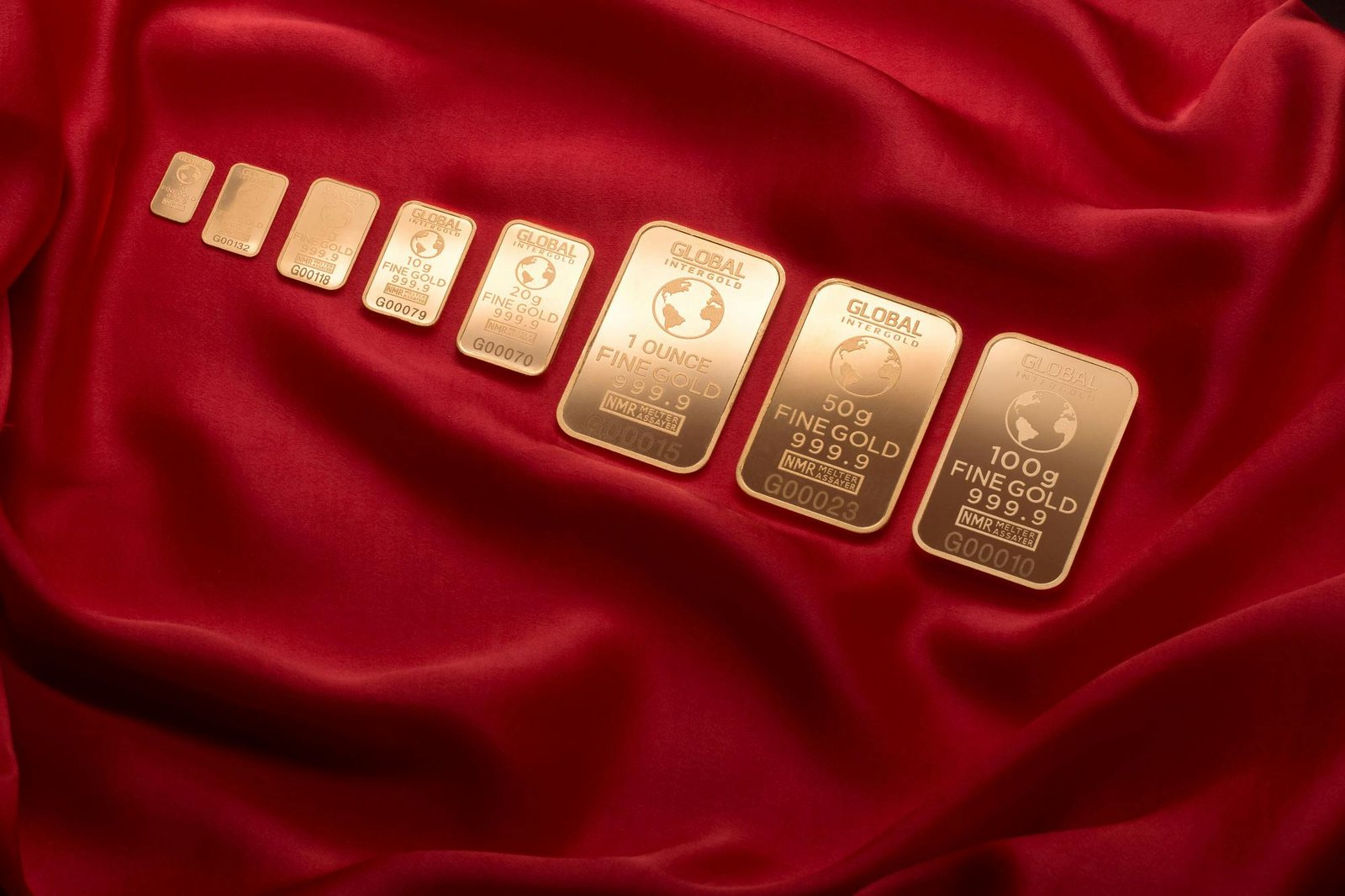
For Muslims living in the United Kingdom, there is a critically important practical dimension to mahr that is frequently overlooked: mahr is not automatically enforceable under English law.
Under UK law, an Islamic nikah ceremony is not recognised as a legally valid civil marriage unless it is conducted in a registered venue or followed by a separate civil registration. A mahr agreed in a nikah-only ceremony exists as an Islamic obligation — but it cannot automatically be claimed through English courts in the way that financial settlements are handled in civil divorce proceedings.
Important for UK Muslims
If you are married Islamically only (no civil registration) and your husband refuses to pay deferred mahr upon divorce, you may have limited legal recourse under English family law. This is one of the most important reasons UK-based scholars strongly advise couples to register civilly as well as Islamically. See GOV.UK — Getting Married for civil registration requirements in England and Wales.
Practical steps for UK Muslims regarding mahr
- Agree your mahr clearly and document it in writing within the nikaahnama (marriage contract)
- Specify what is prompt and what is deferred — and under what conditions deferred mahr is paid
- Register your marriage civilly to ensure full legal protection under UK family law
- Consult both a scholar and a solicitor familiar with Islamic family law if you have any uncertainty
For Non-Muslims — UK Legal Context
In the UK, an Islamic wedding ceremony (nikah) is not automatically registered as a civil marriage. This means that if a couple has only a nikah and later separate, the wife may not have the same financial protections as a civilly married woman under English law — including the ability to claim the agreed mahr through the courts. Many Muslim community organisations and scholars in the UK are actively campaigning for better legal recognition of Islamic marriage contracts.
Common Mistakes Muslims Make About Mahr
1. Mahr Goes to the Bride’s Family
The mahr belongs entirely to the bride. The Quran explicitly states it is given to the women (an-nisā’) — not to their fathers, not to their families. Any practice where the mahr is collected by the bride’s parents and not given to the bride herself is a violation of her Quranic right.
2. Pressuring the Bride to Waive Mahr
The Quran permits a wife to freely waive her mahr — but the word niḥlah (free-hearted gift) means this waiver must be her own, willing choice. Social pressure, family expectations, or the desire to “not appear greedy” do not constitute free consent. Scholars are clear: a waiver under any form of pressure is not valid.
3. Not Paying the Prompt Mahr
Agreeing to a prompt mahr and then indefinitely delaying payment — without the wife’s consent — is a violation of her right. If circumstances genuinely prevent immediate payment, couples should document a clear, realistic timeline and ensure the wife agrees in writing.
4. Using Deferred Mahr as a Trap
Some husbands use the liability of a large deferred mahr to prevent their wife from seeking divorce. This is an impermissible misuse. Mahr is designed to protect the wife — not to trap her. Scholars unanimously condemn using mahr as a tool of coercion.
5. Setting a Symbolic, Unpayable Amount
Mahr of £50,000, £100,000, or more may sound impressive — but if it is never realistically going to be paid, it provides the bride with no real protection. A modest, genuine mahr that will actually be honoured is more Islamic — and more meaningful — than an inflated figure used for social appearance.
Mahr and Finding a Spouse Today
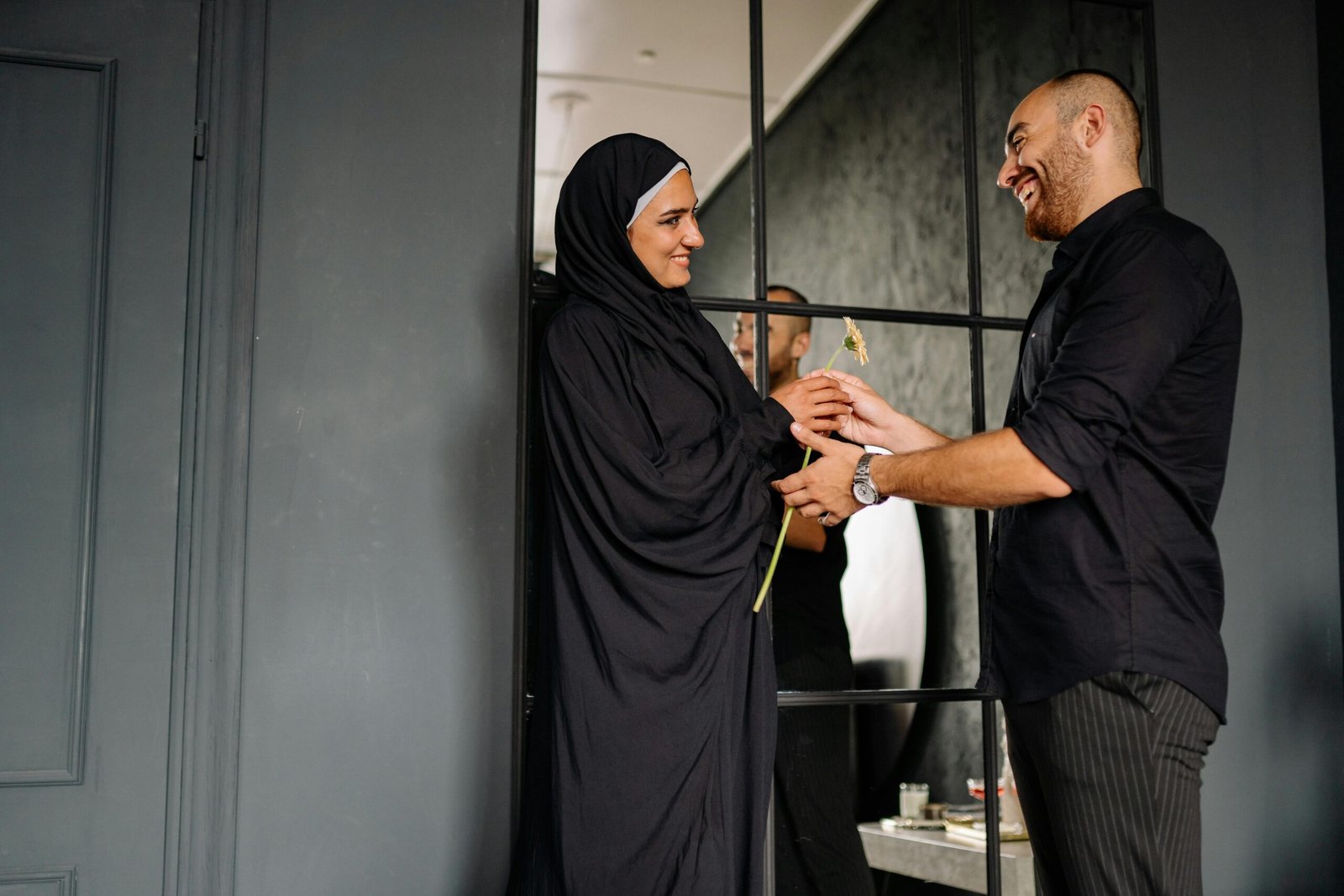
Mahr is agreed during the marriage negotiation phase — after both families have met, assessed compatibility, and decided to proceed. This means the process of finding a suitable spouse is the necessary first step before mahr even enters the picture.
On Healthy Nikah’s Shariah-compliant matrimonial platform, families are involved from the moment a mutual match is made — wali (guardian) contact details are shared immediately upon a mutual match, not after a waiting period. This means mahr discussions happen at exactly the right stage: with the right people present, at the right time, within a properly structured halal process.
Understanding mahr before you begin your search is genuinely useful. It helps both parties enter negotiations with realistic expectations, prevents uncomfortable surprises, and ensures the nikah proceeds smoothly and with full blessing. For a step-by-step walkthrough of how to find a spouse the halal way — including the role of the wali, the nikah process, and how to use a matrimonial platform correctly — read our complete halal guide to finding a partner in Islam.
Frequently Asked Questions About Mahr
Is mahr the same as a dowry?
No — and the difference matters. In Western tradition, a dowry is money or property brought by the bride’s family to the marriage. In Islam, mahr is the complete opposite: it is given by the groom directly to the bride, and the bride’s family has no claim on it. Islam places the financial obligation at marriage on the groom, not on the bride or her family.
Can the bride refuse to move in until mahr is paid?
Yes. Classical Islamic scholars — including the Hanafi school — hold that a bride may decline to enter cohabitation until her prompt mahr has been delivered. This is not considered wrongdoing on her part. It is the lawful exercise of a right explicitly granted to her by the Quran.
What happens to mahr if the marriage is not consummated?
If the marriage is dissolved before consummation and a specific mahr was agreed, the wife is entitled to half of that amount, as stated in Surah Al-Baqarah (2:237). If no specific mahr was agreed, the wife is entitled to a reasonable consolation gift (mut’ah) instead.
Is it haram not to pay mahr?
Withholding mahr that is owed is a serious Islamic wrong. The wife’s right to mahr is protected by direct Quranic command. A husband who refuses to pay mahr he owes — whether prompt or deferred — is violating his wife’s divinely granted right.
Can mahr be paid in instalments?
Yes, if both parties agree freely. The nikaahnama should clearly specify the total amount, what is prompt, and the exact agreed schedule for deferred payments. This prevents disputes and protects both parties.
Can a wife forgive her mahr?
Yes — the Quran explicitly acknowledges this in An-Nisa 4:4, describing it as an act of goodwill. But the scholars are unanimous: this must be entirely her own, free choice. No one — not her family, her in-laws, or social expectations — may pressure her to waive it. If she freely chooses to return it as a gift to her husband, Allah has described this as hanī’an marī’ā — wholesome and pleasant.
How does mahr work on Healthy Nikah?
Healthy Nikah is a UK-based Shariah-compliant matrimonial platform where wali details are shared immediately upon a mutual match — ensuring families are part of the process from day one. Mahr is discussed and agreed during the family negotiation phase, before the nikah ceremony. The platform itself does not set mahr amounts, but its family-first structure ensures mahr is handled as part of a proper, transparent Islamic process.
If you are a doctor, nurse, or pharmacist, read our Shariah-compliant marriage guide for Muslim healthcare professionals to see how Healthy Nikah fits around your career. Still wondering whether using a matrimonial app is permissible? Our guide on whether Muslim dating apps are haram or halal answers that in full. Register for Healthy Nikah and take the first step toward a halal marriage.