Skip to main content Skip to footer
Introduction
Nikah is meant to be a source of sakinah (tranquillity), mercy, and deep companionship, not a source of regret or chronic stress.
For many practising Muslims today – whether they are students, professionals, parents, or reverts – the fear of “getting nikah wrong” is very real.
Allah reminds us of the higher purpose of marriage in the Qur’an:
“Wa min āyātihi an khalaqa lakum min anfusikum azwājan litaskunū ilayhā wa jaʿala baynakum mawaddatan wa raḥmah.”
“And of His signs is that He created for you from yourselves spouses that you may find tranquillity in them, and He placed between you affection and mercy.”
(Surah Ar‑Rum, 30:21)
Yet many couples discover – sometimes within weeks or months of the nikah – that they rushed decisions, ignored red flags, or followed culture and social pressure more than Qur’an and Sunnah.
Scholars, counsellors, and community workers repeatedly see the same patterns behind marital breakdowns: unrealistic expectations, weak foundations, poor communication, and spiritual neglect.
This guide takes a deep look at some of the most common nikah mistakes Muslims later regret.
It is written for every Muslim who wants to marry or is newly married – not only professionals – and offers practical, Shariah‑grounded ways to avoid those mistakes and build a healthier marriage, in shā’ Allāh.
Before we begin, a quick note:
- This article is not a fatwa and does not replace asking your local scholars.
- It aims to combine classical guidance with lived experience and modern research, so you can recognise patterns before they harm your marriage.
Table of Contents
Glossary of Key Terms
- Nikah: The Islamic marriage contract is a binding marriage agreement under Islamic law that outlines the rights and responsibilities of both the bride and groom, including financial obligations like Mahr and terms of separation. Vague or generic nikah contracts can lead to future conflicts; it is advisable to include specific conditions regarding rights and responsibilities. The Nikah contract should be customized to reflect the specific wishes and values of the couple, rather than relying on a generic template, to avoid misunderstandings and conflicts in the future. For a full explanation, see our guide to what nikah means in Islam.
- Ceremony: A formal and religious event marking the marriage, such as the Nikah ceremony, which follows structured requirements, involves officiants, and incorporates cultural or religious traditions that validate and legitimize the marriage under Islamic law.
- Wedding ceremony: The formal event where the Nikah takes place, involving specific rituals, locations, and officiants. The wedding ceremony is both a religious and legal event in Islamic tradition, marking the official union of the couple and often reflecting both traditional and modern practices.
- Islamic law: The body of legal and religious rules derived from the Qur’an and Sunnah that governs all aspects of Muslim life, including marriage and Nikah contracts. Islamic law sets the requirements for a valid Nikah, the role of the Wali, and the recognition of the marriage ceremony.
- Wali: The bride’s legal guardian (usually her father or closest male relative) whose involvement is required for a valid nikah according to the majority of scholars. If the bride’s father is deceased or unable to perform his duties, another male guardian, such as a grandfather or brother, can serve as the wali. You can read more in our detailed article on what a wali is in Islam.
- Mahr: The marriage gift or financial commitment from the groom to the bride that forms part of the nikah contract, explained in our guide on what mahr in Islam really is.
- Khulwah: Being in seclusion with a non‑mahram in a way that could lead to temptation.
- Istikhārah: The Prophetic dua and prayer for seeking Allah’s guidance before major life decisions, including marriage.
- Shūrā: Mutual consultation – a Qur’anic principle for how Muslims should make important decisions together.
Nikah Mistake 1: Prioritising Looks, Status, or Career Over Deen and Character

One of the most painful sources of regret is when individuals realize they chose a spouse mainly for looks, income, professional status, or family name – and only later discover serious weaknesses in religion or character. Social media, comparison culture, and community gossip often push people toward “checklists”: height, career, passport, skin tone, accent, or university brand.
The Prophet ﷺ clearly warned against this mis‑prioritisation:
“Tunkahu al‑mar’atu li‑arbaʿin: li‑mālihā, wa li‑ḥasabihā, wa li‑jamālihā, wa li‑dīnihā, fa‑ẓfar bi dhāti d‑dīn taribat yadāk.”
“A woman is married for four things: her wealth, her family status, her beauty, and her religion. So choose the one who is religious, may your hands be rubbed with dust (may you prosper).”(Sahih al‑Bukhari 5090)
This hadith applies in both directions. Islamic scholarship is clear that religious commitment and good character should come first for both spouses, with beauty, wealth, and professional success as secondary blessings rather than primary criteria.
What this looks like in real life
- Saying “I know their temper is bad, but at least they earn a lot.”
- Ignoring signs of weak religiosity (no salah, mockery of Islamic rulings, constant free‑mixing) because the person is attractive or from a “prestigious” background.
- Parents refusing a suitable proposal because “they are not from our caste/tribe/ethnicity”, while pushing options with weak deen.
In most cases, these scenarios are common and over time, these choices can turn into resentment: “I chose a lifestyle, not a partner I respect”, or “My parents forced me to reject someone with strong deen for someone who looks better on paper.”
Deeper root causes
- Insecurity: Thinking that marrying someone with a high income or status will protect you from poverty or community judgment, while overlooking that character and deen always matter, no matter the external circumstances.
- Family pressure: Parents or relatives using marriage to climb socially rather than prioritising the child’s spiritual and emotional well‑being.
- Media conditioning: Romantic dramas, influencers, and wedding pages that glorify aesthetics and luxury over taqwa and mutual mercy.
How to avoid this nikah mistake
- Make a written list of non‑negotiables focused on deen and character: salah, aqeedah, modesty, honesty, truthfulness, and how they treat family and vulnerable people.
- Recognize the importance of education—both for yourself and your potential spouse—as it empowers responsible decision-making, supports equality, and fosters a respectful partnership in marriage.
- When speaking to a potential spouse, ask targeted questions about how they respond to stress, conflict, and disappointment – not just about hobbies or career ambitions.
- Involve elders and people of knowledge who can help you assess religious commitment more objectively; don’t rely only on your own feelings.
- If your family is overly focused on status, gently bring them reliable lectures or articles from scholars that explain the Islamic criteria for choosing a spouse.
Nikah Mistake 2: Rushing Into Nikah Without Proper Due Diligence
Another common regret is discovering serious incompatibilities only after the nikah: conflicting views on children, money, in‑laws, or even basic religious practice. Sometimes couples speak for months but never ask the hard questions; sometimes they barely speak at all and rely purely on “gut feeling” or family pressure. It is essential to ensure that both parties give explicit consent to the marriage, as consent must be freely given and not coerced.
To properly plan a Nikah, couples must ensure they meet specific requirements, including mutual consent, the presence of witnesses, and officiation by an imam or a devout Muslim.
Note: In many Western countries, a religious nikah ceremony alone is not legally binding. A separate civil marriage license or ceremony is often required for legal recognition. Always check your local laws to ensure your marriage is recognized both Islamically and legally.
In many communities, there is now a swing between two extremes:
- Extreme secrecy: Barely speaking, not asking any deep questions, and going ahead purely due to family arrangements.
- Extreme informality: Long, unstructured chatting for months or years online without serious investigation, clear intentions, or family involvement.
Islam encourages taking marriage seriously, asking about a person’s deen, character, and lifestyle, and making an informed choice – not an impulsive one. Classical scholars emphasise that both spouses should see and speak to one another in a halal framework before committing, so that unrealistic fantasies do not replace grounded reality.
Signs you might be rushing the Nikah
- You feel there are “many things we haven’t talked about yet”, but you are scared the proposal might disappear, even as the process is taking place rapidly.
- You avoid asking hard questions (about debt, mental health, past sins, family expectations) because you are worried about the answers.
- You feel pressure from age, siblings getting married, or community gossip (“no one will want you if you wait longer”).
How to avoid this nikah mistake
- Schedule structured conversations (with wali and family awareness) to cover: children, finances, career or study plans, in‑laws, location, and expectations around housework.
- Make sure each side has an opportunity to see the other in a dignified, halal way, as described by scholars and fatwa councils.
- Take time to consult trusted elders and, where appropriate, scholars before making your decision; a wise third party can see patterns you are emotionally blind to.
- Do not allow social pressure or age anxiety to force an artificial deadline if you still have major unanswered questions.
- Following a step-by-step guide to nikah can help couples avoid rushing into marriage and ensure all important aspects are thoughtfully considered.
- If you or they have significant mental‑health struggles or trauma histories, consider involving a qualified Muslim therapist before nikah to discuss what this might mean for married life.
Nikah Mistake 3: Sidelining the Wali and Families
Many regrets begin with secrecy: private online relationships, long hidden chats, and a nikah process that only involves the wali at the very last moment – or, in some cases, not at all. Involving family members from the outset is essential, as their support and presence help ensure the process is transparent and in line with Islamic values.
The Prophet ﷺ said:
“Lā nikāḥa illā bi‑walī.”“There is no marriage except with a guardian (wali).”
While there are differences of opinion in some schools about the wali’s role, the majority view and the safest position is that a wali is required for a woman’s nikah. The Wali, typically the father of the bride, plays a crucial role in the Nikah ceremony by giving away his daughter, symbolizing the transfer of responsibility and guardianship.
Under traditional Islamic law, the Wali must obtain the bride’s consent before proceeding with the marriage, ensuring her rights and wishes are respected. Fatwa bodies such as IslamQA also stress that in online introductions, correspondence should not be private or open‑ended; rather, the guardian should be involved early, and communication should move through families, not hidden chats.
What goes wrong when families are sidelined
- A couple forget the importance of involving their families early, hide their relationship for months, build emotional attachment, then face massive resistance when the families finally find out.
- A sister agrees to nikah without a wali, believing it is valid, and later discovers scholarly problems with the procedure.
- Parents feel disrespected and hurt, making it harder to build a peaceful, supportive extended family environment after marriage.
How to involve families in the nikah
- Make an early, conscious decision that your search for a spouse will be transparent with your wali and close family from the start. Involving close friends, in addition to family, can also provide valuable support and perspective during the nikah process.
- Avoid private, late‑night, or emotionally intimate chats before any family involvement; what begins as “innocent” can quickly slide into haram and cloud your judgement.
- If your family is truly unsafe or abusive, seek guidance from trusted scholars or community leaders on how to proceed in a way that still respects Shariah while protecting you.
- Remember that the wali is not an obstacle; he is there to protect your rights and help you make a wise, emotionally grounded decision.
Healthy Nikah, for example, is designed so that when two people express mutual interest, guardian details are shared immediately, making family involvement the default from day one rather than an awkward later step.
Nikah Mistake 4: Confusing Culture With Islam – Especially Around Weddings and Gender Roles
Many couples later regret that they allowed cultural expectations to overshadow Prophetic guidance: extravagant wedding ceremonies, lavish wedding events, or un-Islamic customs at the wedding party and related parties, as well as heavy financial demands or rigid gender roles that were more cultural than Islamic.
While celebrating a marriage through wedding parties and events is encouraged to share happiness, Islamic teachings emphasize that such celebrations should remain within religious guidelines, avoiding extravagance and prohibited customs. Managing how much you spend on weddings is crucial—Islamic teachings advise moderation and discourage extravagant spending, particularly regarding weddings, to avoid debt and financial strain.
Allah encourages marriage even for those with limited means:
“Wa ankiḥū al‑ayāmā minkum… in yakūnū fuqarā’a yughnihimu llāhu min faḍlih.”
“Marry off the singles among you… If they are poor, Allah will enrich them from His bounty.” – (Surah An‑Nur, 24:32)
At the same time, verses such as Surah An‑Nisa 4:34 describe men as qawwāmūn (caretakers, maintainers) who bear financial responsibility, while calling both spouses to mercy, fairness, and taqwa – not to cultural domination.
Harmful cultural patterns
- Families demanding excessive mahr or lavish weddings that sink the couple into debt before they even start married life, sometimes including demands for property or assets as part of the dowry or legal documents.
- Attitudes like “a man never helps in the house” or “a woman must never study or work”, stated as if they are divine rulings when they are actually cultural norms.
- Pressuring couples to prioritise public image (videos, social‑media content, huge guest lists) over sincerity, modesty, and duʿā.
How to avoid this nikah mistake
- Separate “what my parents expect” from “what Allah and His Messenger ﷺ actually require”, by learning the fiqh of marriage from reliable scholars.
- Keep wedding expenses modest and avoid putting either family under crushing debt for the sake of showing off; a simple walimah can be deeply blessed. Remember, Allah swt has guided us in the Qur’an to avoid extravagance and wastefulness, as He does not love the extravagant.
- Have honest pre‑nikah conversations about housework, childcare, and careers, rooted in cooperation and mercy rather than rigid stereotypes.
- If you are marrying across cultures, discuss language, family customs, food, and non‑negotiables openly so resentment does not build later.
Nikah Mistake 5: Entering Nikah With Unspoken Expectations About Roles, Money, and Career
A frequent reason couples feel regret after nikah is discovering that they had very different mental pictures of what married life would look like day‑to‑day. For example, a husband may expect his wife to be a full‑time homemaker, while the wife may plan to work full‑time and have less time for household duties or extended family obligations. One spouse may assume they will support parents financially, while the other thinks that is optional. One may expect daily Qur’an circles, while the other imagines weekends full of outings and social events.
It is important to remember that the Nikah contract is a binding marriage agreement under Islamic law that outlines the rights and responsibilities of both the bride and groom, including financial obligations like Mahr and terms of separation.
Modern research and traditional scholarship both highlight the importance of aligning expectations around the roles of the husband and wife, their rights, responsibilities, and financial matters before marriage, not after the first major disagreement. A busy professional wife, for instance, may have less time to dwell on negative thoughts or stress, which can positively affect her emotional well-being and the dynamics of the marriage.
Key expectation areas to discuss before nikah
- Finances: Who will earn, who will manage money, how each spouse will spend and manage expenses, spending priorities, debt, and financial support for parents.
- Housework and childcare: How tasks will be shared, and what each person finds reasonable or exhausting.
- Religious practice: How often you expect to pray together, attend classes, or give charity.
- Time and social life: How you balance couple time, extended family time, and friendships.
How to avoid this nikah mistake
- Sit down (with family awareness) and walk through a detailed “life after nikah” conversation: work or study hours, housework, childcare, where you will live, and how you will handle in‑laws.
- If one or both of you have demanding careers (medicine, law, entrepreneurship, etc.), be specific about hours, exams, travel, and future training routes, and how these will affect family planning.
- Write key agreements into the nikah contract where appropriate (for example, mahr details, location agreements, or basic financial understandings), after taking scholarly advice. Ensure that the Nikah contract is customized to reflect your specific wishes and values as a couple, rather than relying on a generic template, to avoid misunderstandings and future conflicts.
- Agree on a regular “shura meeting” after marriage – e.g., a weekly or fortnightly check‑in to review how things are going and adjust expectations as real life unfolds.
Nikah Mistake 6: Neglecting Knowledge of Marital Rights and Responsibilities

Some couples enter the nikah ceremony with a very romantic but vague understanding of marriage, not fully appreciating that the Nikah ceremony is a religious event where a Muslim couple legally marries under Islamic law, legitimizing their relationship in the eyes of God.
They have not studied the Qur’anic verses or Prophetic guidance on spousal rights, emotional responsibilities, or conflict resolution. This leaves them vulnerable to injustice, resentment, or the misuse of “rights” language.
Allah describes spouses in a powerful image:
“Hunna libāsun lakum wa antum libāsun lahunna.”
“They are a garment for you, and you are a garment for them.”(Surah Al‑Baqarah, 2:187)
A garment protects, beautifies, and is the closest thing to a person’s skin. When couples misuse their rights or neglect their obligations, they tear this garment and later regret the emotional scars they cause.
Common gaps in Islamic knowledge
- Misunderstanding qiwāmah (male responsibility) as permission for harshness or control instead of protective care and financial responsibility.
- Overlooking the rights and responsibilities of both the bride and groom, including the need for mutual respect, consent, and participation in the Nikah ceremony.
- Ignoring the wife’s right to mahr, fair maintenance, and respectful treatment. The Nikah contract must specify explicit terms regarding the Mahr, including the amount, form, and payment terms as an obligatory gift from the groom to the bride.
- Treating the husband’s emotional needs as unimportant or mocking him when he is vulnerable.
- Not knowing the proper Islamic steps for conflict resolution or, if necessary, separation.
How to avoid this nikah mistake
- Study a short, reliable course or series on Islamic marriage before nikah, ideally together, covering rights, responsibilities, and adab. Be sure to discuss and agree on the Mahr (haq meher) before the Nikah, as this fosters mutual respect, sets clear financial expectations, and helps prevent future conflicts. It is essential that the Mahr is specified and paid promptly, as required by Islamic law.
- Read or listen to qualified scholars who discuss emotional as well as legal aspects of marriage, not just checklists of “my rights vs your rights”.
- Make dua that Allah allows you to be a source of sakinah and protection for your spouse, not a source of fear or instability.
- If you discover you or your spouse have misunderstood a major ruling, correct it early with the help of scholars instead of letting resentment build.
Nikah Mistake 7: Poor Communication and Unresolved Conflict

Many divorces do not begin with one major catastrophe but with years of small, unresolved hurts, harsh words, or cold silences. True peace in marriage is achieved when couples prioritize tranquility and harmony, working together to resolve conflicts and foster understanding.
Islamic reminders emphasise forgiveness, patience, and controlling anger, yet in practice couples sometimes mirror the worst of social‑media conflict – sarcasm, public shaming, and score‑keeping.
Scholars and experienced counsellors note recurring patterns:
- Refusing to listen or constantly interrupting.
- Bringing up years of past mistakes in every argument.
- Involving too many outsiders in intimate issues instead of one or two trusted mentors.
- Threatening divorce in every disagreement until the word loses all seriousness.
How to avoid this nikah mistake
- Agree clear rules for disagreement: no insults, no threats of divorce in anger, no exposing each other’s faults on social media.
- Learn basic conflict‑resolution tools – active listening, taking breaks when tempers flare, and returning to the conversation later.
- Involve a wise, discreet third party early when you feel stuck, rather than waiting until resentment has hardened.
- Remember that apologising first does not mean you were completely wrong; it means you value the marriage more than your ego.
Nikah Mistake 8: Treating Online Interaction as “Halal Enough”
Some couples begin with a halal intention but drift into patterns that scholars clearly warn against: private late‑night chats, emotionally intense messages, or exchanging photos long before families are involved.
IslamQA and other fatwa councils allow using matrimonial websites only under strict conditions – including no unnecessary chatting, no free‑mixing, and routing communication through guardians whenever possible.
It’s important to remember that online interactions do not replace the need for a formal nikkah ceremony, which requires specific witnesses and the involvement of the bride’s guardian to ensure the marriage is valid both legally and religiously. Ignoring these guidelines can lead to regret, broken hearts, or even invalid nikahs when families are bypassed.
Why online interaction should be limited before nikah
- Treating endless messaging as “getting to know each other” when, in reality, it is building emotional attachment without real‑world investigation.
- Sending voice notes, photos, or videos that create emotional intimacy and make it hard to walk away even when red flags appear.
- Hiding online conversations from parents and walis, risking a complete breakdown of trust later.
How to avoid this nikah mistake
- Set clear rules for all online communication: no secret accounts, no disappearing chats, and no “we’ll tell our families later” arrangements.
- Move from platform → families → structured meetings as quickly as reasonably possible; do not let an online relationship drift for years.
- Avoid sharing intimate emotional details or personal struggles with a non‑mahram before nikah; such depth belongs within marriage, not in a pre‑nikah chat history.
- Choose platforms that limit private messaging, encourage modest presentation, and make wali involvement a core design feature.
- When transitioning from online to formal arrangements, ensure that the nikah process includes the presence of the required witnesses, as their role is essential in authenticating and verifying the marriage contract according to Islamic law.
Healthy Nikah, for example, does not offer in‑app free chat; once there is mutual interest, guardian contact details are shared immediately so that conversations move into a family‑involved, Shariah‑compliant framework rather than a private digital relationship.
Nikah Mistake 9: Ignoring Red Flags and Relying Only on Istikhārah

Istikhārah is a powerful sunnah, but it was never meant to replace common sense, investigation, and consultation. The nikah process is supposed to be a straightforward and thoughtful step, not one clouded by misconceptions or neglect of clear issues.
Some people later regret that they dismissed serious red flags – substance abuse, anger issues, mockery of religion, or chronic dishonesty – because they “felt calm after istikhārah” or had a dream.
Qualified scholars consistently explain that istikhārah comes after doing your due diligence, not instead of it. If a person’s behaviour clearly contradicts Islamic principles or basic reliability, you cannot ignore that and expect miracles.
Examples of ignored red flags
- The person constantly lies to others but “promises” they will be honest with you.
- They belittle Islamic rulings, mock hijab or beard, or joke about haram without remorse.
- They have a history of anger, violence, or addiction that they refuse to address seriously—issues that can especially put women at risk if ignored, as women may face greater challenges in seeking support or protection within the marriage.
How to avoid this nikah mistake
- Treat istikhārah as the final step after you have gathered information, not the only step.
- Ask people who have lived with or worked closely with the person about their character and reliability (without backbiting or exaggeration).
- Take red flags seriously: consistent lying, lack of basic Islamic practice, cruelty, uncontrolled anger, or financial recklessness.
- If scholars or elders you trust advise you to pause or walk away, listen with humility even if you feel emotionally attached.
Nikah Mistake 10: Refusing Help When the Marriage Is in Trouble
Finally, many couples later regret that they waited too long to seek help.
By the time they reached an imam, therapist, or counsellor, years of hurt had accumulated and small misunderstandings had solidified into contempt.
Islamic guidance encourages reconciliation, wise mediation, and seeking solutions before jumping to divorce, while also recognising that divorce is sometimes a necessary last resort when serious harm or abuse is present.
Why Muslim couples delay seeking professional help
- Stigma: Fear of what family or community will say if they see an imam or therapist.
- Pride: Not wanting to admit there is a problem or that one may be partly at fault.
- Fear: Worry that starting a difficult conversation will “make things worse”.
How to avoid this nikah mistake
- Normalise seeking help: from local scholars, qualified Muslim therapists, or trusted mentors with long, healthy marriages.
- Agree early in your marriage that if either spouse asks for counselling, the other will give it serious consideration.
- Learn the Islamic framework around when to be patient, when to insist on change, and when separation may be the lesser harm – ideally before you are in crisis.
- If there is abuse, serious addiction, or persistent betrayal, prioritise safety and Shariah‑compliant support rather than silently enduring harm.
How Healthy Nikah Helps Reduce These Mistakes (Without Replacing Your Responsibility)
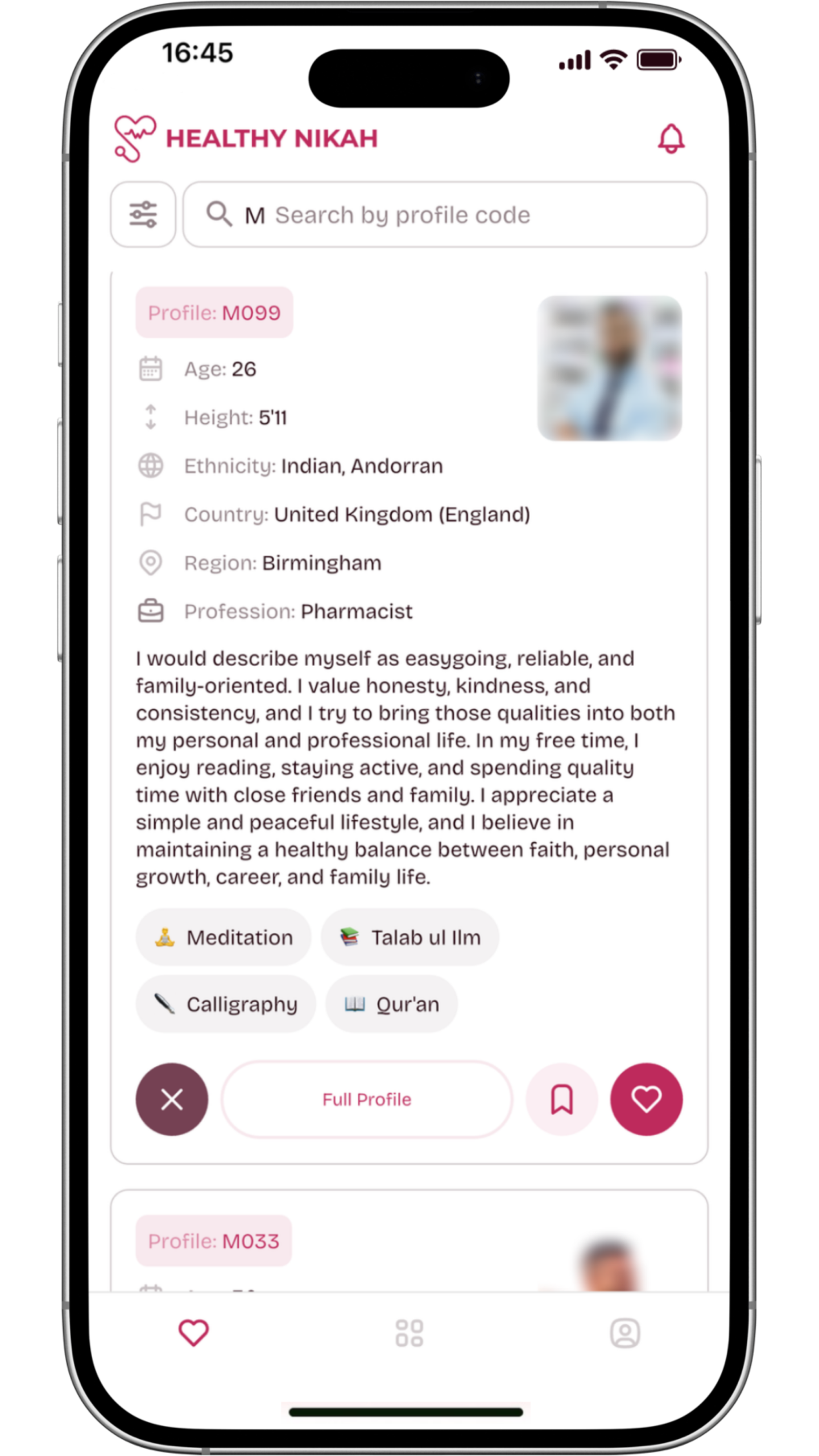
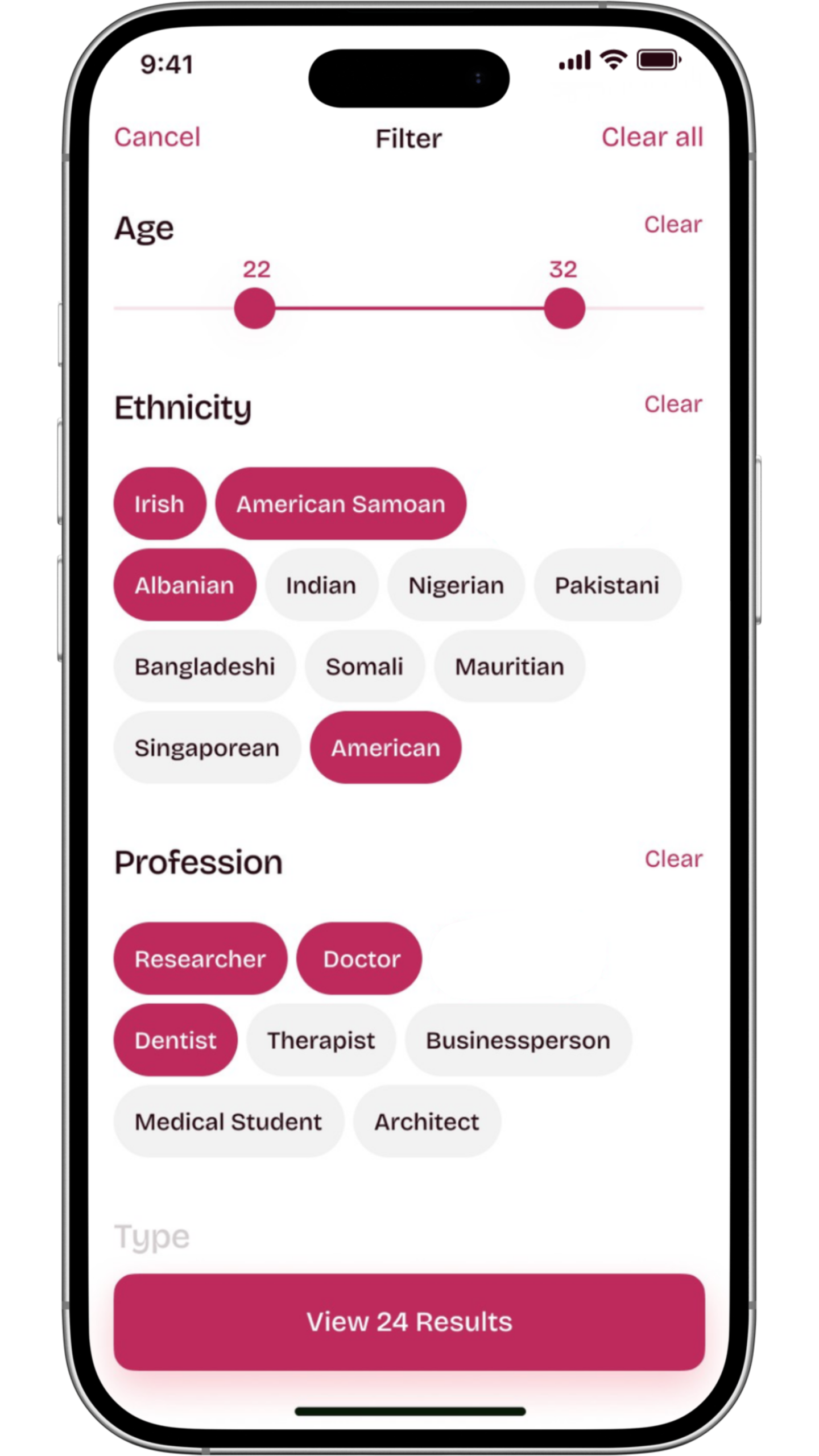
While no app can “guarantee” a happy marriage, the design of a platform can either encourage or discourage the most common nikah mistakes.
Healthy Nikah is a UK‑based, Shariah‑compliant matrimonial app built primarily for Muslims who are serious about nikah – including many healthcare professionals and those who wish to marry them – with over 3,500 registered members and a strong focus on serious, family‑involved marriage.
Key design choices that directly tackle the mistakes in this guide include:
- Immediate wali sharing: Guardian details are shared automatically as soon as there is a mutual match, so families are involved from day one rather than as an afterthought.
- No in‑app messaging: Once there is mutual interest and wali involvement, conversation moves off‑app (phone, WhatsApp, in‑person meetings with family awareness), reducing the risk of secret, endless chatting.
- Blurred photos and substance‑first profiles: Members see deen, career, and values before appearance, encouraging more thoughtful decisions.
- Match‑credit system instead of unlimited swiping: Each match request uses credits, which discourages mindless browsing and filters for those who are genuinely seeking nikah.
- Profession‑aware filters: Professionals such as doctors, nurses, pharmacists, dentists, and others can filter for partners who understand shift work, on‑call pressure, and demanding training pathways – without excluding Muslims from other fields.
During pre‑launch, joining Healthy Nikah involves a £10 lifestyle registration fee plus 10 match credits for £30 (total £40).
At app launch, this becomes a single £40 joining package including 10 credits, with optional monthly membership and top‑up credit bundles for those who want more flexibility.
To explore how the platform works in detail, visit the Healthy Nikah homepage, read about our Shariah‑compliant features, or learn more about us and our mission.
A Pre‑ and Post‑Nikah Checklist
Use this checklist as a quick, practical way to avoid the most common nikah regrets.
You can review it alone, with your wali, or together as a couple.
Before nikah:
- Have we assessed each other’s deen and character beyond CVs, photos, and job titles?
- Have we involved the wali and close family early, not at the last minute?
- Have we discussed children, finances, living arrangements, and work–life balance honestly?
- Have we agreed how to handle in‑laws, cultural differences, and extended family expectations?
- Have we talked about our expectations around housework, childcare, and time for worship and learning?
- Have we prayed istikhārah after doing our due diligence, and consulted people of knowledge?
After nikah:
- Do we have regular times for shura (mutual consultation) about our marriage?
- Are we actively learning about Islamic rights, responsibilities, and emotional adab in marriage?
- Do we have agreed‑upon rules for communication and conflict?
- Are we willing to seek help early – from scholars or qualified Muslim therapists – if we feel stuck?
- Are we making dua together that Allah keeps affection and mercy between us and protects us from our own ego and shayṭān?
Closing Thoughts: Must Knows Before Nikah
Nikah is one of the greatest blessings Allah gives us in this life, but it is also an amanah: a trust for which we will be questioned. Islam discourages secret marriages; the nikah should be announced to the community, typically through a Walima (wedding feast) following the ceremony. It is also important not to overlook inviting the less fortunate to your Walima, as generosity and inclusion are emphasized in Islamic teachings.
Most of the mistakes Muslim couples later regret are not mysterious; they are patterns we can recognise and, with Allah’s help, avoid.
By prioritising deen and character, involving families and walis early, keeping expectations realistic, and seeking knowledge and help when needed, you can enter nikah with far greater clarity and confidence. Whether you are a student, a working professional, a revert, or someone seeking to remarry, these principles apply.
If you are looking for a structured, Shariah‑compliant way to meet practising Muslims for marriage – especially if you value professionalism and clear boundaries – tools like Healthy Nikah can help you follow a more disciplined, family‑involved path to finding a spouse, while keeping your heart, your deen, and your time protected.
We hope this article helps you avoid common nikah mistakes and set the right priorities for your marriage. Please leave a comment below to share your thoughts or experiences about nikah and what you believe are the most important priorities in a marriage.
For a deeper dive into connected topics, you may also find these guides helpful:
- What is nikah? Islamic marriage explained for modern Muslim professionals
- How to find a partner in Islam: the complete halal guide
- Are Muslim dating apps haram? What Islamic scholars and research actually say
- Muslim healthcare professionals marriage: a Shariah‑compliant guide
Frequently asked questions about Nikah
What are the most common nikah mistakes Muslim couples make?
Many couples focus more on romance, looks, or status than on deen and character, rush into nikah without serious questions, keep the process secret from their wali and family, or mix culture and Islam when it comes to weddings and gender roles. Others neglect learning their rights and responsibilities or assume communication problems will fix themselves, which often leads to regret later.
How can I avoid rushing into nikah and regretting it later?
Set a clear process: involve your wali early, arrange a few structured meetings, and ask direct questions about deen, finances, children, in-laws, and life goals before saying yes. Do istikhārah after you have gathered information, consult trusted elders or scholars, and do not let age or social pressure push you into a decision while you still have major unanswered concerns.
Is it wrong Islamically to marry mainly for looks, status, or career?
Islam recognises attraction and worldly factors, but the Prophet ﷺ taught that religion and character should be the main criteria when choosing a spouse. Making looks, wealth, or status the priority often leads to disappointment when real-life character and taqwa do not match the image.
How should I involve my wali and family in the marriage process?
The safest view among many scholars is that a wali is required for a woman’s nikah, and his role is to protect her interests, not to control her life. Practically, this means informing your wali early, letting him speak to the potential spouse or family, and keeping communication transparent instead of hiding months of private messaging.
What role does istikhārah really play in choosing a spouse?
Istikhārah is a powerful dua and two-unit prayer to seek Allah’s guidance after you have done proper research, not a shortcut that replaces asking questions or checking someone’s character. Its results are understood through ease, clarity, and the doors Allah opens or closes over time, not only through dreams or sudden feelings.
How can Muslim couples deal with cultural expectations about weddings and mahr?
Couples should distinguish between what culture prefers and what Shariah actually requires, using Qur’anic guidance to keep marriage simple and avoid debt or financial hardship for the sake of appearances. Families can still honour good cultural practices as long as they do not contradict Islamic principles or put unfair pressure on either spouse.
When should a Muslim couple seek help for marriage problems?
It is better to seek help early—when arguments, coldness, or resentment become regular—rather than waiting until one spouse is considering separation or divorce. A balanced approach is to first try private discussion, then involve a wise family member or imam, and where appropriate a qualified Muslim counsellor or therapist.
Can using an Islamic matrimonial app help reduce common nikah mistakes?
A Shariah-focused matrimonial platform can help by centring nikah intentions, encouraging modest profiles, limiting free chatting, and involving the wali early, which reduces many of the risks seen on casual dating apps. However, no app can replace personal responsibility—couples still need to ask serious questions, check character, and follow Islamic guidelines when moving from online introductions to real-life marriage.