Skip to main content Skip to footer
Choosing who to marry is one of the most serious decisions you will ever make. In Islam, nikah is not just a romantic commitment – it is a sacred contract, an act of worship, and a lifelong partnership that affects your dunya and your akhirah.
Allah describes marriage as a sign of His mercy: He created spouses so that we may find tranquillity, affection, and compassion with one another (Surah Ar-Rum 30:21). When we take shortcuts in this decision, we often end up with the very problems we were trying to avoid.
This guide explains how to choose a spouse in Islam using Qur’an and Sunnah, with practical criteria, red flags, and smart questions you can ask before nikah – whether you meet through family, the masjid, or a Shariah-compliant matrimonial site.
Table of Contents
Key takeaways
- When deciding how to choose a spouse in Islam, deen and character must come before looks, wealth, or status (Sahih al-Bukhari 5090).
- Compatibility matters: shared values, life goals, and realistic expectations around roles, money, and family are critical for a stable nikah.
- The wali and family should be involved early, especially for sisters, to protect their rights and help assess proposals.
- There are clear Islamic red flags – such as mockery of religion, dishonesty, or abuse – that you should never ignore.
- Istikhārah is powerful, but it comes after research and consultation, not instead of them.
Glossary of key terms
- Nikah: The Islamic marriage contract that makes a relationship halal and creates mutual rights and responsibilities between spouses. For a full explanation, see our guide what nikah means in Islam.
- Wali: The bride’s legal guardian (usually her father or closest male relative) whose involvement is required for a valid nikah according to the majority of scholars. Learn more in our article on what a wali is in Islam.
- Mahr: The marriage gift or financial commitment from the groom to the bride, agreed as part of the nikah contract. See our complete guide to mahr in Islam.
- Istikhārah: The two-unit prayer and dua taught by the Prophet ﷺ for seeking Allah’s guidance before major decisions, including marriage.
Why choosing a spouse wisely matters in Islam
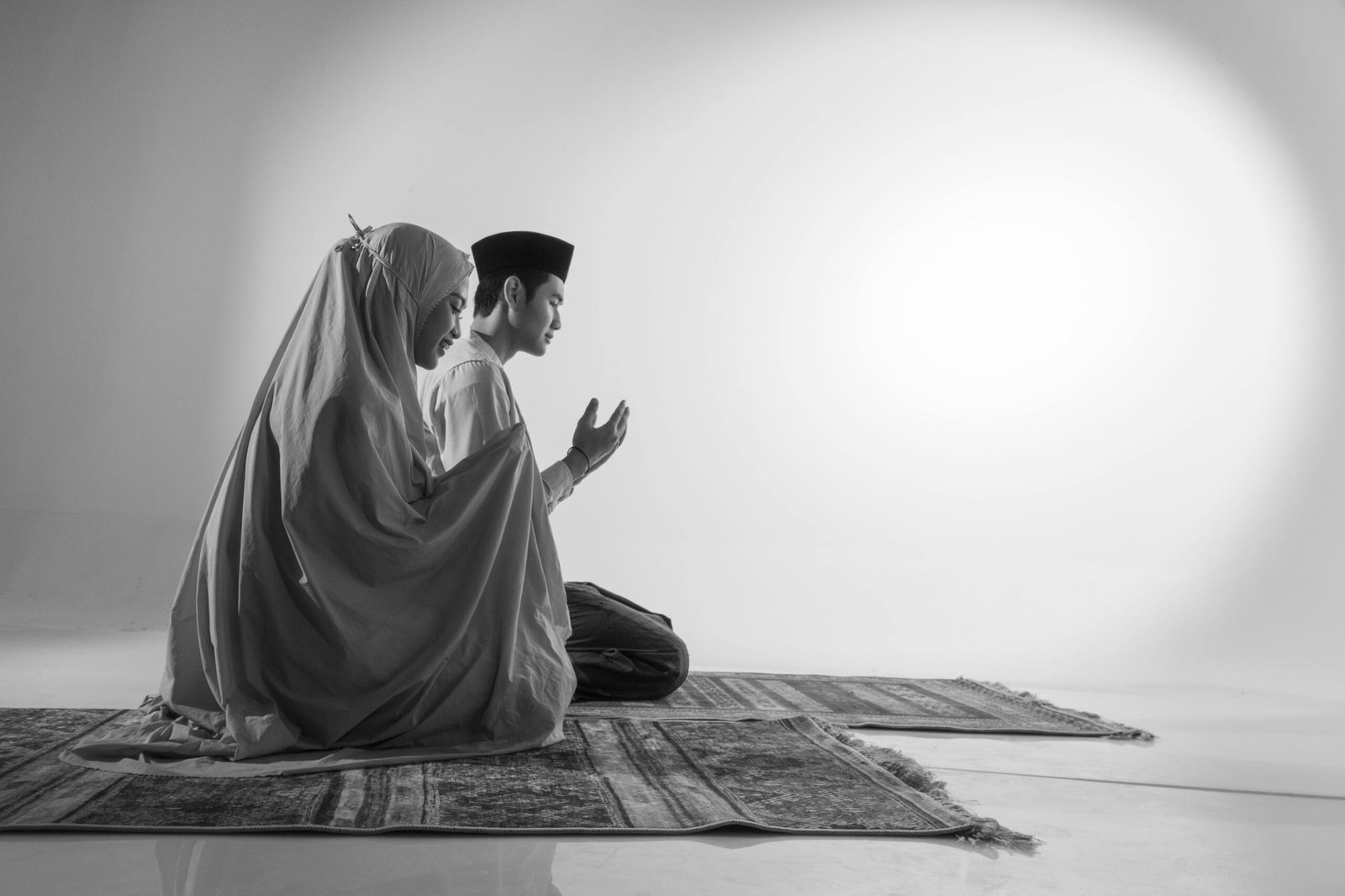
Marriage is described in the Qur’an as a sign of Allah’s power and mercy: He created spouses so that we may find sakīnah (tranquillity), mawaddah (affection), and raḥmah (mercy) with each other (30:21). Elsewhere, Allah tells us that spouses are “garments” for one another – protecting, covering, and comforting each other (2:187).
Because nikah affects our faith, our mental health, and even our children, taking shortcuts at the selection stage often leads to long-term regret. Many of the issues in common nikah mistakes Muslim couples regret begin with rushed or shallow choices when choosing a spouse.
Core Islamic criteria when choosing a spouse
Islam recognises attraction and worldly concerns, but insists that religious commitment and character come first when you are deciding how to choose a spouse in Islam.
“A woman is married for four things: her wealth, her family status, her beauty and her religion. So choose the one who is religious, may your hands be rubbed with dust (may you prosper).”
Sahih al-Bukhari 5090
Scholars explain that the same principle applies when a woman chooses a husband: his deen, character, and ability to fulfil his responsibilities should weigh more than material factors or social status.
- Deen: Does the person pray regularly, avoid major sins, and respect halal and haram, not just in public but also in private?
- Character (akhlaq): Are they honest, gentle, and respectful, especially with people who cannot benefit them, such as staff or younger relatives?
- Serious intention for nikah: Are they clearly seeking marriage, not entertainment, attention, or casual “talking” online?
Compatibility beyond deen: values, goals, and lifestyle
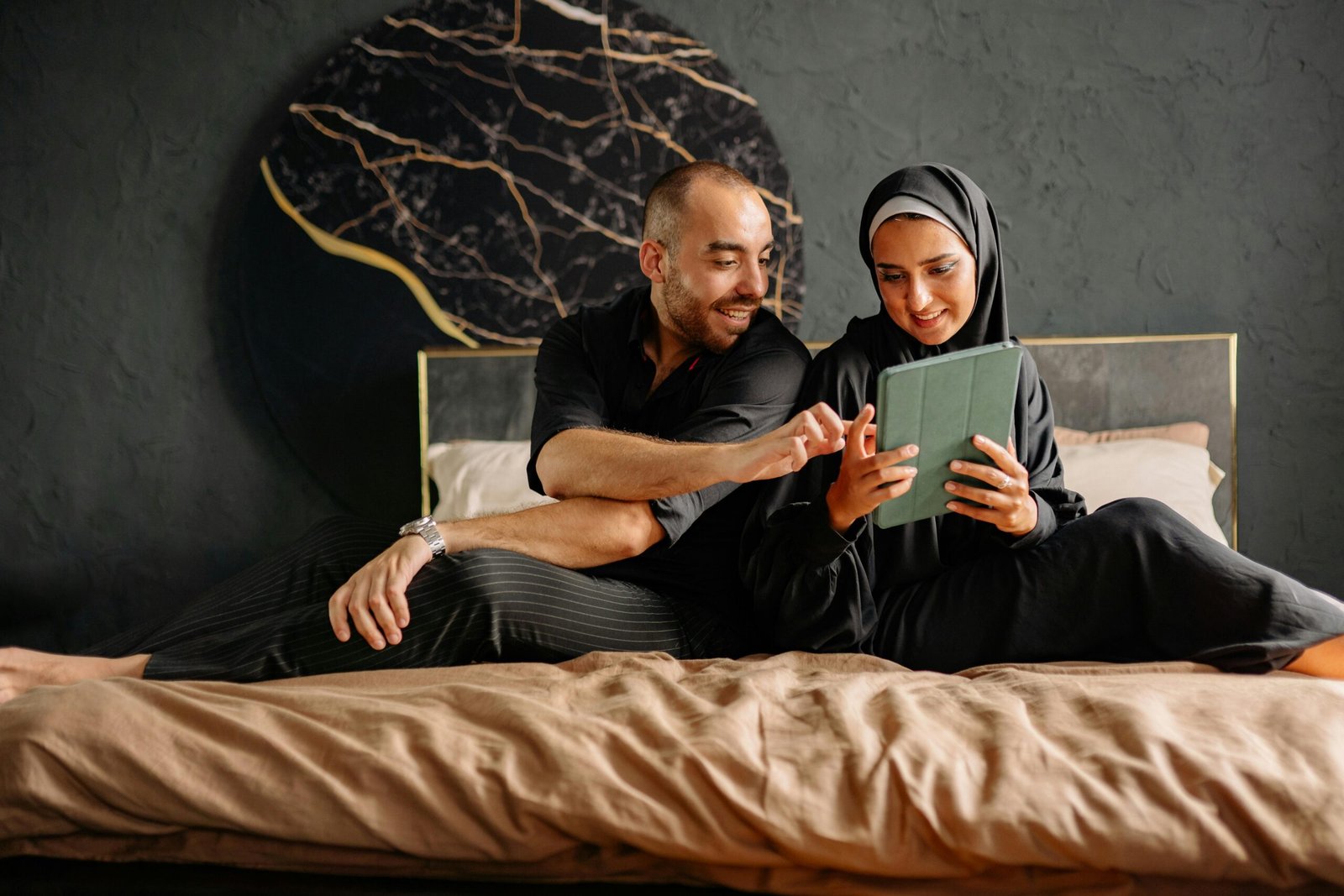
Strong deen is essential but does not guarantee day-to-day compatibility. Islamic marriage counsellors and modern research both stress that couples also need compatible values, life goals, and expectations around roles, money, and family life.
- Future goals: Do you agree on where to live, how many children you hope for, and what careers or studies will look like after nikah?
- Approach to money: Are you both savers or spenders? How do you feel about debt, lifestyle, and financial support for parents?
- Views on roles: What do you each expect regarding work, housework, and childcare? Is there room for cooperation, not just rigid stereotypes?
- Religious priorities: How important are daily Qur’an, Islamic classes, and charity in your future home?
When you think about how to choose a spouse in Islam, ask not only “are they pious?” but also “can we realistically build a balanced life together?”
The role of the wali and family
The Prophet ﷺ said: “There is no marriage except with a guardian (wali).” (Sunan Abi Dawud 2085) According to the majority of scholars, a wali is required for a woman’s nikah, and his role is to protect her interests, not to control her life.
Practically, this means your wali and close family should:
- Be informed early when a serious proposal arises, not at the last moment.
- Ask their own questions about the person’s deen, family, and reputation.
- Help you stay objective if you are emotionally attached and tempted to overlook red flags.
For a deeper look at guardianship, see our dedicated guide on what a wali is in Islam.
Halal ways to get to know a potential spouse

Islam allows you to get to know a potential spouse before nikah, but within clear limits: no khalwah (seclusion), no flirtatious talk, and no drawn-out relationships with no serious intention for marriage.
- Family introductions: Relatives or trusted community members introduce you, and meetings happen with family awareness from both sides.
- Mosque and community spaces: Volunteering, classes, and events where families can observe each other’s character naturally.
- Islamic matrimonial platforms: Shariah-compliant apps and websites that prioritise nikah and involve families, instead of casual dating or endless chatting.
If you want a step-by-step roadmap, read our guide on how to find a partner in Islam the halal way.
Red flags not to ignore when looking for a spouse in Islam
When you are deciding how to choose a spouse in Islam, certain signs should make you slow down or walk away. Scholars and counsellors frequently warn about red flags such as:
- Mocking Islamic rulings, hijab, beard, or practising Muslims.
- Chronic dishonesty, lying to parents, or hiding major information.
- Explosive anger, emotional or physical abuse, or a history of violence.
- Substance abuse (drugs, alcohol) without real repentance or treatment.
- Refusing any wali or family involvement and insisting on secrecy.
These issues rarely disappear after nikah; they usually become more serious. Our article on common nikah mistakes Muslim couples regret explains how ignoring red flags can lead to years of pain.
Smart questions to ask before nikah
Here are practical questions that reflect the Islamic criteria above. They can be asked directly, through your wali, or in a structured meeting.
- Deen and practice
- How do you maintain your connection with Allah during busy or stressful times?
- Which Islamic principles are non-negotiable for you in family life?
- Character and conflict
- How do you usually react when you are angry or hurt?
- Can you share an example of a conflict you resolved in a healthy way?
- Money and work
- What is your approach to earning, saving, and spending?
- How do you feel about supporting parents financially or living with in-laws?
- Roles and expectations
- What do you expect from a husband or wife in terms of work, housework, and childcare?
- What would an ideal weekday and weekend look like in our home?
- Family and children
- How important is having children to you, and what kind of parenting style do you hope to follow?
- What level of involvement do you expect from extended family in our married life?
How to use istikhārah alongside research

Istikhārah is a powerful sunnah dua and prayer for seeking guidance, but it was never meant to replace common sense. Scholars explain that you first research, consult, and assess the person, and then pray istikhārah – asking Allah to facilitate the marriage if it is good for your deen and life, or to turn it away if it is harmful.
- Do your homework: ask questions, involve your wali, and check references where appropriate.
- Perform istikhārah sincerely and with tawakkul.
- Observe what happens: do doors open smoothly, or do repeated obstacles and serious concerns appear?
Istikhārah works with effort and consultation, not instead of them – a key point many people overlook when they think about how to choose a spouse in Islam.
How Healthy Nikah supports better spouse choices
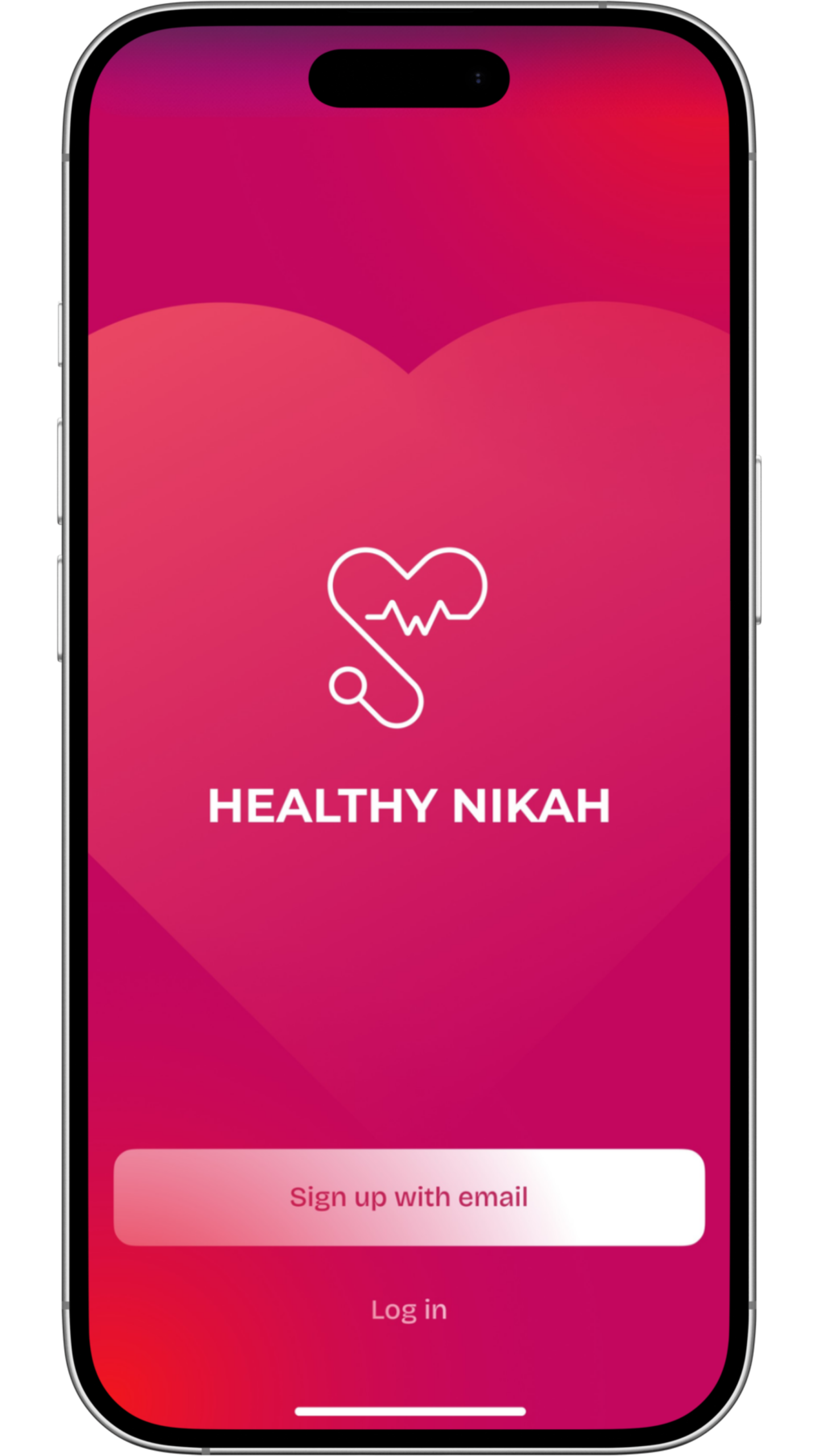
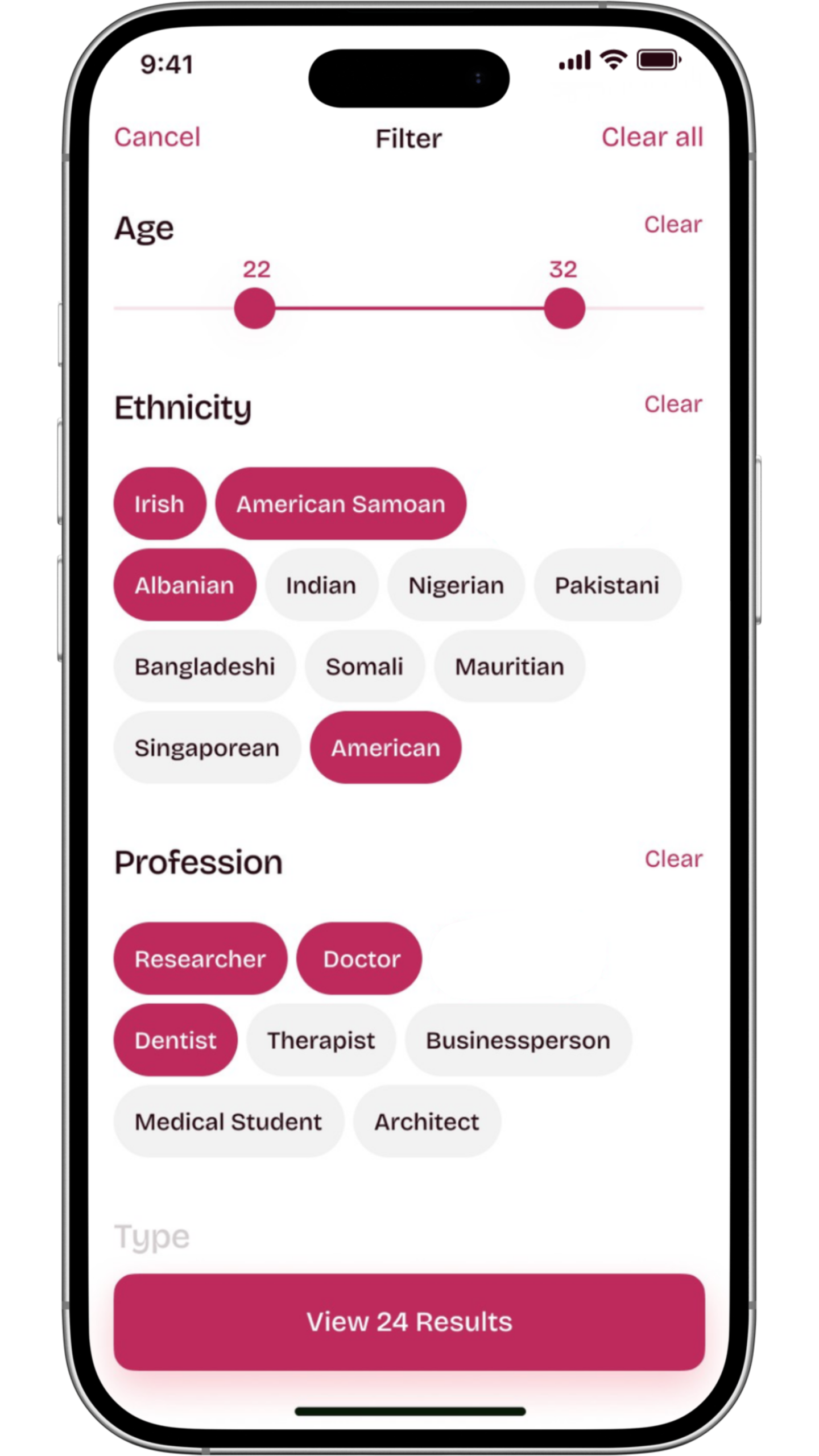
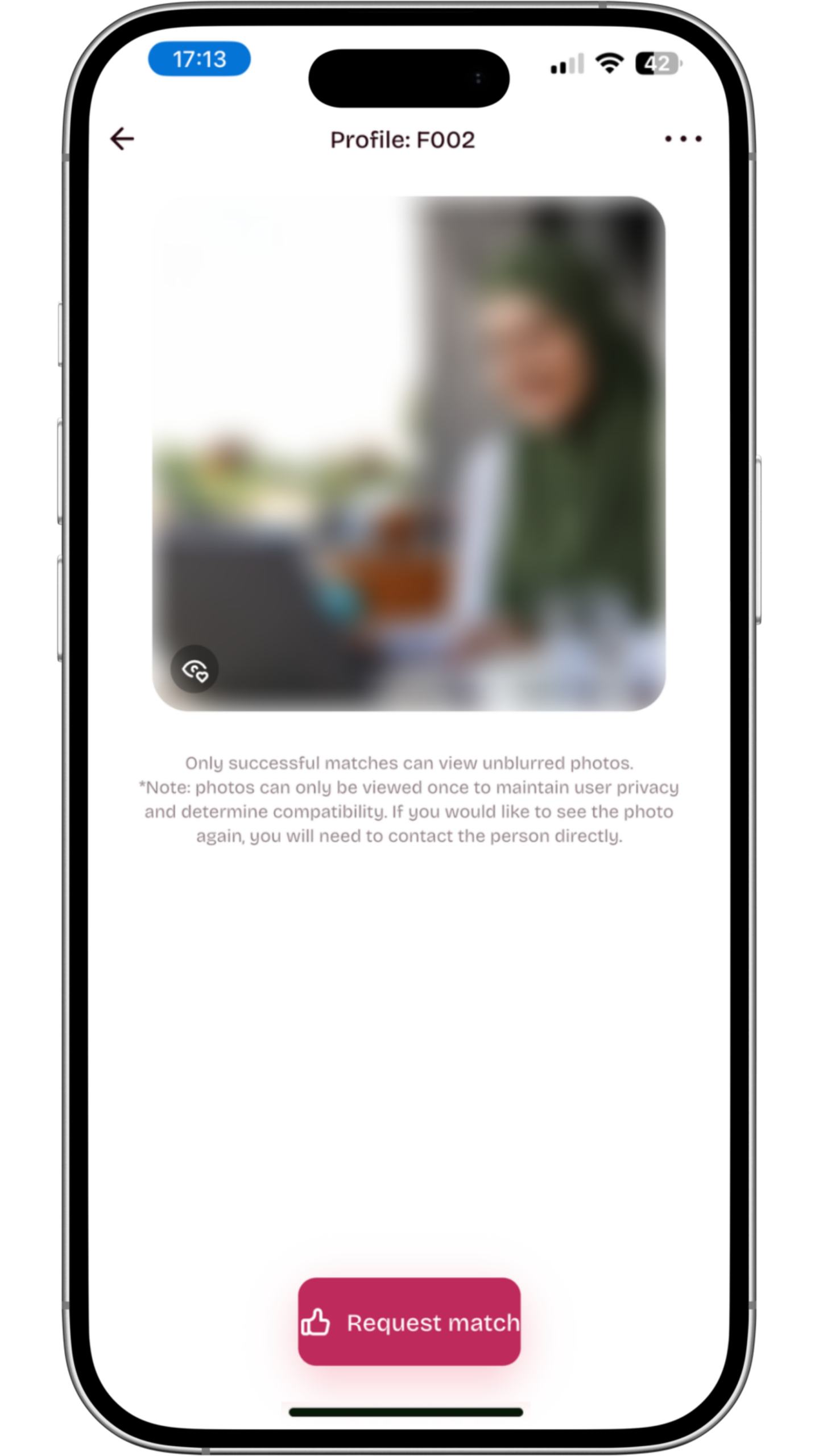
No app can guarantee a perfect marriage, but a platform can make it easier or harder to apply Islamic principles. Healthy Nikah is a UK-based, Shariah-compliant matrimonial app focused on serious nikah, not casual dating. It is built for practising Muslims – including many healthcare professionals and those who wish to marry them – who want a structured, halal way to meet.
- Immediate wali sharing: As soon as there is a mutual match, guardian contact details are shared so that families are involved from day one.
- No in-app messaging: This prevents endless chatting and encourages purposeful, family-aware communication.
- Blurred photos and substance-first profiles: Members see deen, profession, and values before looks, supporting better priorities when choosing a spouse.
- Match credits, not endless swiping: Each match request uses credits, discouraging mindless browsing and filtering for those who are genuinely seeking nikah.
For a full overview of how the platform works, read our guide on Islamic matrimonial sites for serious, halal marriage and our complete guide to Muslim dating websites in 2026. To see how Healthy Nikah supports Muslim doctors, nurses, pharmacists, and dentists specifically, explore our Shariah-compliant marriage guide for healthcare professionals.
Final thoughts: How to Choose a Spouse in Islam
Learning how to choose a spouse in Islam is not about chasing perfection; it is about using the guidance Allah has given us to make a wise, balanced decision. Prioritising deen and character, being honest about compatibility, involving your wali, and refusing to ignore red flags can protect you from many of the regrets that couples face later.
If you want to go deeper, pair this guide with our articles on common nikah mistakes, how to find a partner in Islam, and whether Muslim dating apps are haram. Taken together, they give you a complete, Shariah-compliant roadmap from searching for a spouse to building a healthy nikah, in shā’ Allāh.
FAQ
What is the most important factor when choosing a spouse in Islam?
The most important factor when choosing a spouse in Islam is their deen and character – how consistently they follow the obligations of Islam and how they treat others. The Prophet ﷺ taught that while people marry for wealth, beauty, or status, we should prioritise the partner who is strong in religion and good manners (Sahih al-Bukhari 5090). Physical attraction and worldly stability matter, but they should come after faith and akhlaq.
How can I involve my wali properly when choosing a spouse?
Involve your wali from the beginning, not at the last moment. Let him know when a serious proposal appears, allow him to ask his own questions, and be transparent about any communication you have with the person. According to the majority of scholars, a wali is required for a woman’s nikah, and his role is to protect her interests and help assess the suitability of the proposal, not to force her into marriage.
Can I talk to someone directly before nikah to get to know them?
Yes, you may speak to a potential spouse to get to know them, as long as it remains within Islamic limits: no khalwah (seclusion), no flirtatious or explicit speech, and a clear intention of marriage. Ideally, conversations should happen with family awareness and within a structured process, whether through in-person meetings, supervised calls, or Shariah-compliant matrimonial platforms that encourage wali involvement.
What are clear red flags when choosing a spouse in Islam?
Serious red flags include mockery of Islamic rulings, chronic dishonesty, a history of abuse or uncontrolled anger, substance abuse without real repentance, and an insistence on complete secrecy from parents and wali. These issues rarely improve after marriage and are strong reasons to pause, investigate further, or walk away from the proposal.
How does istikhārah fit into choosing a spouse?
Istikhārah is prayed after you have done your research, asked questions, and consulted trusted people. You pray two units of nafl prayer and make the specific istikhārah dua, asking Allah to bring the marriage closer if it is good for your deen and life, or to turn it away if it is harmful. You then observe how events unfold – whether matters become easier and clearer, or whether serious obstacles and doubts increase.
Is it okay to use Muslim apps or matrimonial sites to find a spouse?
It can be permissible to use Muslim matrimonial sites or apps if they are designed for nikah, respect Islamic boundaries, and involve families rather than encouraging secret relationships. Look for platforms that prioritise modest profiles, limit free chatting, and make wali involvement easy. Our guides on Islamic matrimonial sites and Muslim dating apps explain what to look for and what to avoid in detail.
How can Healthy Nikah help me choose a suitable spouse?
Healthy Nikah is a Shariah-compliant matrimonial app built for practising Muslims who are serious about nikah. It supports good spouse selection by sharing wali details immediately on mutual match, avoiding in-app chat, blurring photos so members focus on deen and values first, and using match credits instead of endless swiping. This design helps you apply Islamic principles while searching for a spouse in a structured, halal way.